
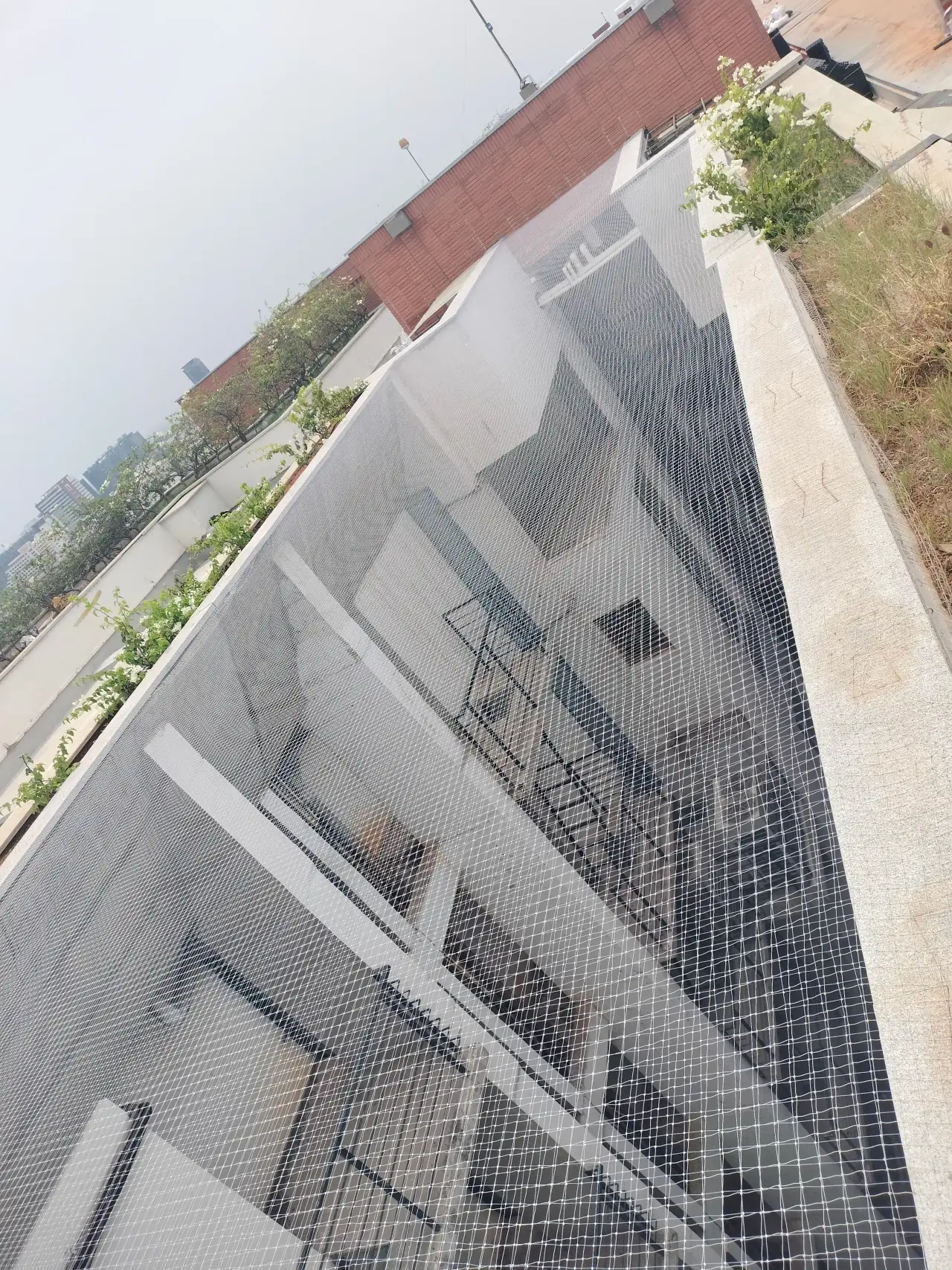
Terrace Safety Nets Guide for Rooftops, Open Edges, and Top-Floor Areas
A practical guide to terrace safety nets for homes, apartment buildings, maintenance zones, and rooftops that need stronger open-edge protection.
Terraces are open, useful, and often under-protected. Families use them for drying, gardening, evening time, utility work, or maintenance access, but the edges of these spaces can remain exposed for years without a proper safety upgrade.
Terrace safety nets are designed for these larger and more open areas. They help reduce fall risk and make top-floor zones more practical for everyday use, especially in buildings where a simple railing is not enough or where large open sections remain vulnerable.
Why terrace safety needs a different approach from balcony safety
Balconies are smaller, more defined, and usually part of a finished facade. Terraces, on the other hand, often have wider spans, more wind exposure, service access points, and mixed uses. A rooftop may need to support children playing, staff movement, drying areas, and occasional maintenance, all in the same zone.
That means terrace safety planning has to consider the actual roof layout, not just the edge. Access routes, parapet height, corner exposure, and the way people move around the terrace all influence the right net plan.
Where terrace safety nets help the most
They are especially useful in open residential terraces, top-floor common areas, apartment service terraces, and rooftops with regular maintenance activity. Villas with family-use terraces also benefit when the space is used casually but does not have enough edge protection for comfort.
In apartment buildings, terrace safety can also make the space easier to maintain and more reassuring for association teams. Once the exposed zones are addressed properly, the terrace becomes safer for normal access and practical building management.
- Family-use rooftops
- Apartment top-floor common areas
- Service terraces and maintenance paths
- Villas and duplex homes with open terrace edges
What matters most in a terrace installation
Because rooftops face stronger weather exposure and often have larger unsupported runs, anchoring quality and layout planning matter even more than in smaller interior-facing spaces. The installation should feel secure, well-positioned, and properly tensioned across the actual risk line.
A poor terrace installation may create weak points at corners, long unsupported stretches, or awkward access interruptions. A good one protects the edge and still respects how people use the terrace in real life.
Balcony-style thinking
May ignore rooftop access patterns and the larger exposed edge conditions found on terraces.
Terrace-specific planning
Accounts for open spans, wind, maintenance routes, and wider edge coverage requirements.
How terrace safety improves everyday usability
Many owners assume terrace safety is only about emergency prevention, but it also changes the way the space is used daily. Once people feel the edge is properly protected, the rooftop becomes more comfortable for cleaning, drying, family movement, and general utility use.
That extra confidence is often the real value of the installation. It helps turn the terrace from a risky spare zone into a practical part of the property again.
FAQ
Quick answers before you decide
Are terrace safety nets only for children?+
No. They are useful for family safety, maintenance access, rooftop utility use, and general open-edge protection.
How are terrace safety nets different from balcony safety nets?+
Terrace nets usually cover larger open spans and need planning around rooftop movement, maintenance routes, and higher weather exposure.
Can terrace safety nets work for apartment buildings?+
Yes. They are often used for apartment top-floor areas, shared terraces, and service rooftops where open-edge safety is important.
Related reads
Continue exploring service guides
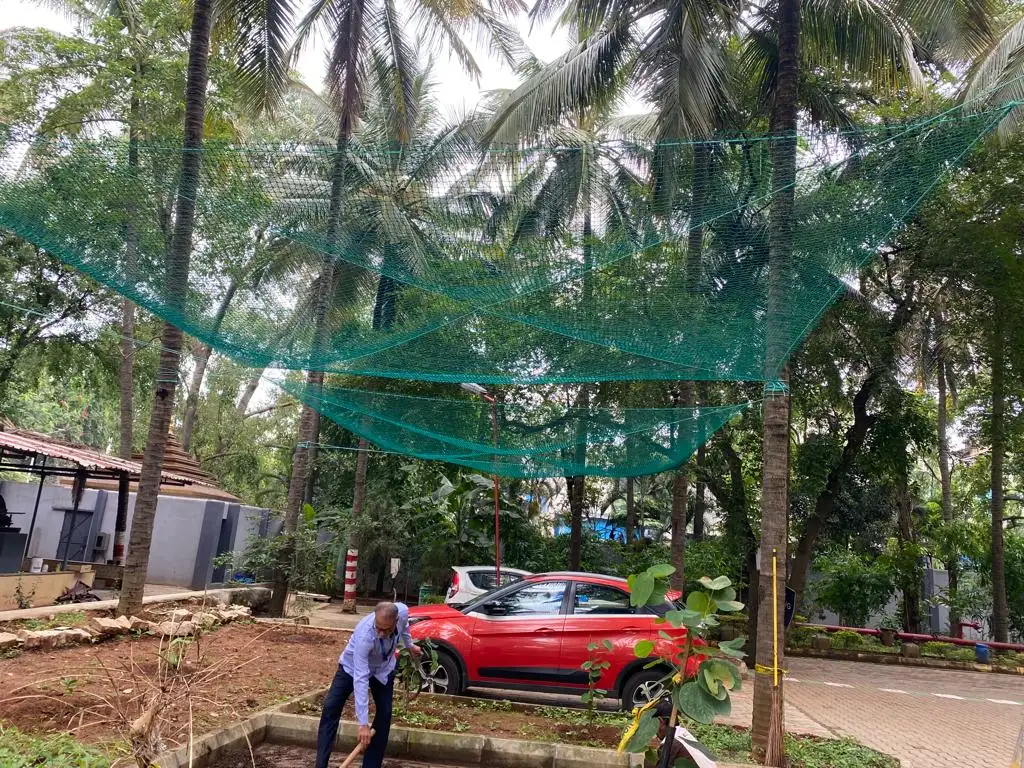
Car Parking and Open Area Safety Nets: When Buildings Need Heavy-Duty Protection
A detailed guide for apartment buildings, parking decks, podium edges, and open structural zones that need stronger protective net systems.
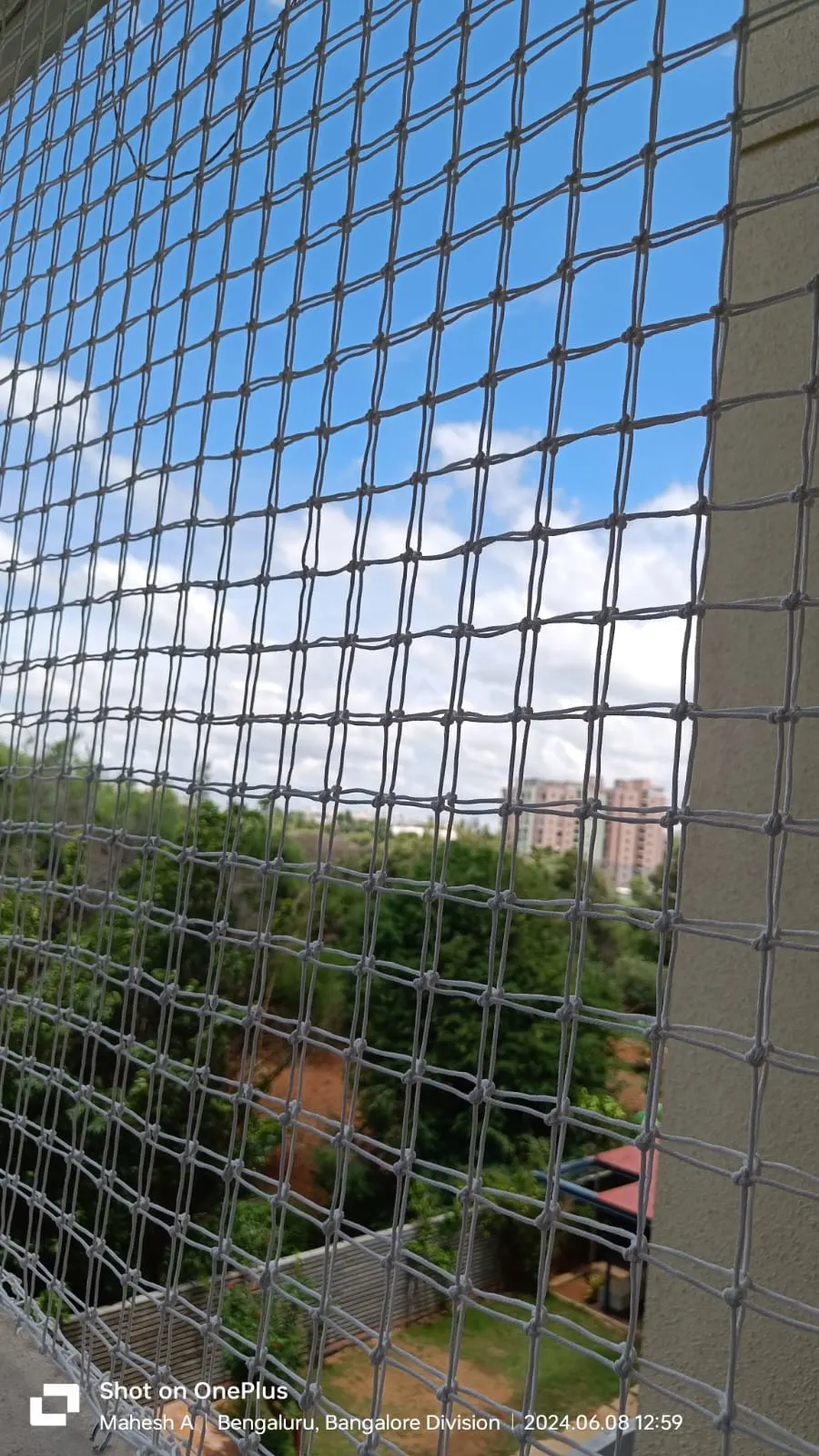
Child Safety Nets for Home Balconies, Stairs, Windows, and Utility Spaces
An A-to-Z guide for parents who want to make balconies, staircases, windows, and open spaces safer without making the home feel closed in.
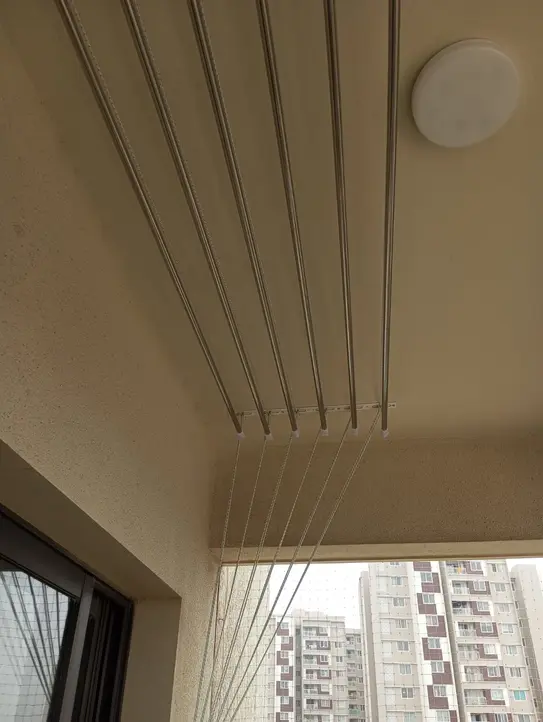
Cloth Hangers and Balcony Utility Planning After Safety Installation
A practical guide to cloth hangers, utility planning, and making small balconies work better after safety upgrades.