
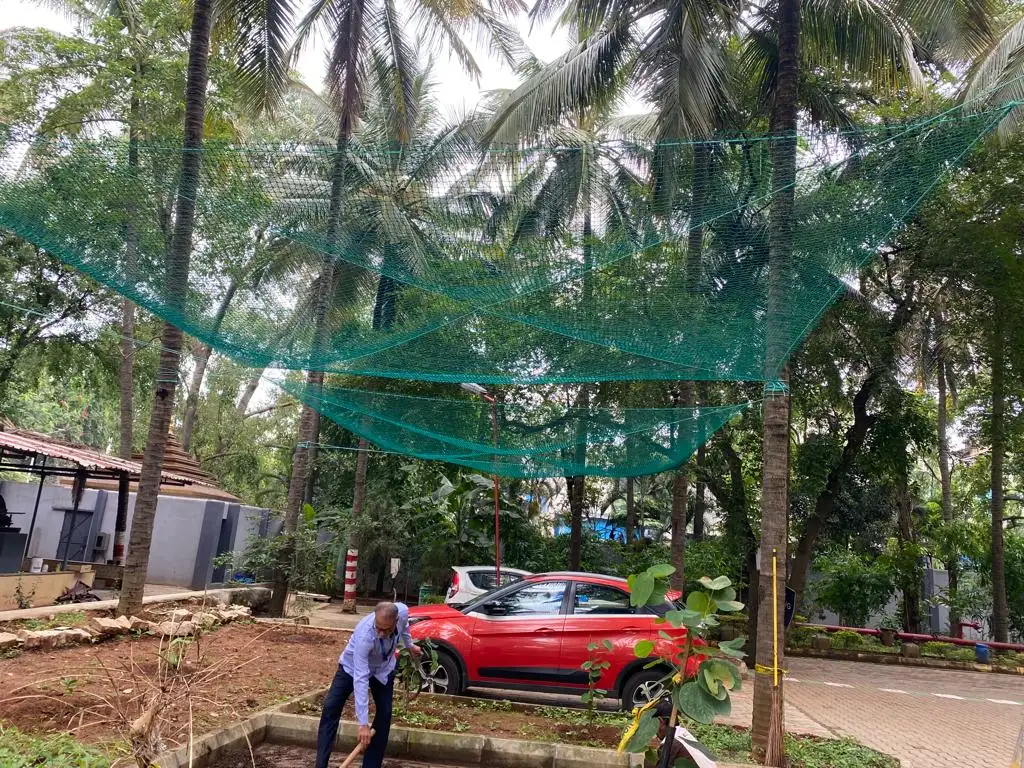
Car Parking and Open Area Safety Nets: When Buildings Need Heavy-Duty Protection
Learn when parking and open-area safety nets are needed, where they work strong, and why these installations require heavier planning than standard balcony protection.
Not every safety net project is residential and not every open edge behaves like a balcony. In many buildings, the real risk appears around parking levels, podium structures, ramp sides, open decks, and service-access zones where movement happens regularly but edge protection is limited or incomplete.
That is where car parking and open-area safety nets become important. These systems are usually planned for larger spaces, stronger movement conditions, and more structural exposure than a standard home installation.
Where these safety nets are usually needed
Apartment complexes, commercial buildings, hospitals, schools, and mixed-use properties often have open zones that people pass through every day. Parking decks may have exposed edges. Podium levels may open into large voids. Service ramps may need better side protection.
These are the kinds of areas where a light residential mindset is not enough. The net plan should be driven by the structure and its actual use load.
- Parking decks and podium edges
- Vehicle ramp side openings
- Large service-access voids
- Open-sided commercial or institutional zones
Why open-area netting is more demanding than balcony work
The space is larger, the exposure is greater, and the support planning usually needs to be stronger. A system that works on a home balcony may not translate directly to a parking deck or open-sided structural void.
That is why these projects need careful anchoring, realistic span planning, and a good understanding of how movement happens around the zone. The installation must feel dependable under real site conditions, not just in a small sample section.
What property teams should look for before installation
The key questions are: what kind of movement happens there, how exposed are the edges, what risk is being reduced, and how permanent the site use is. A resident-access zone has different needs from a staff-only service area, and a vehicle-side edge behaves differently from a rooftop utility opening.
The more clearly the property team defines the use case, the easier it becomes to install a solution that stays practical and not just present on paper.
Why these systems are worth doing properly
Open-edge protection in parking and large structural zones affects more than safety alone. It influences maintenance, resident confidence, site management, and the everyday comfort of people moving through the property.
A strong installation sends a clear message that the building is being managed responsibly. That is valuable for apartment associations, commercial site operators, and facilities teams alike.
FAQ
Quick answers before you decide
Are car parking safety nets only for vehicle areas?+
No. They are also useful for podium edges, open service zones, ramps, and other larger structural openings that need stronger protection.
Are these nets different from balcony safety nets?+
Yes. They usually require stronger layout planning and are designed for larger open areas and heavier exposure conditions.
Who usually installs open-area safety nets?+
They are commonly used by apartment associations, commercial facilities, institutions, and properties with large exposed movement zones.
Related reads
Continue exploring service guides
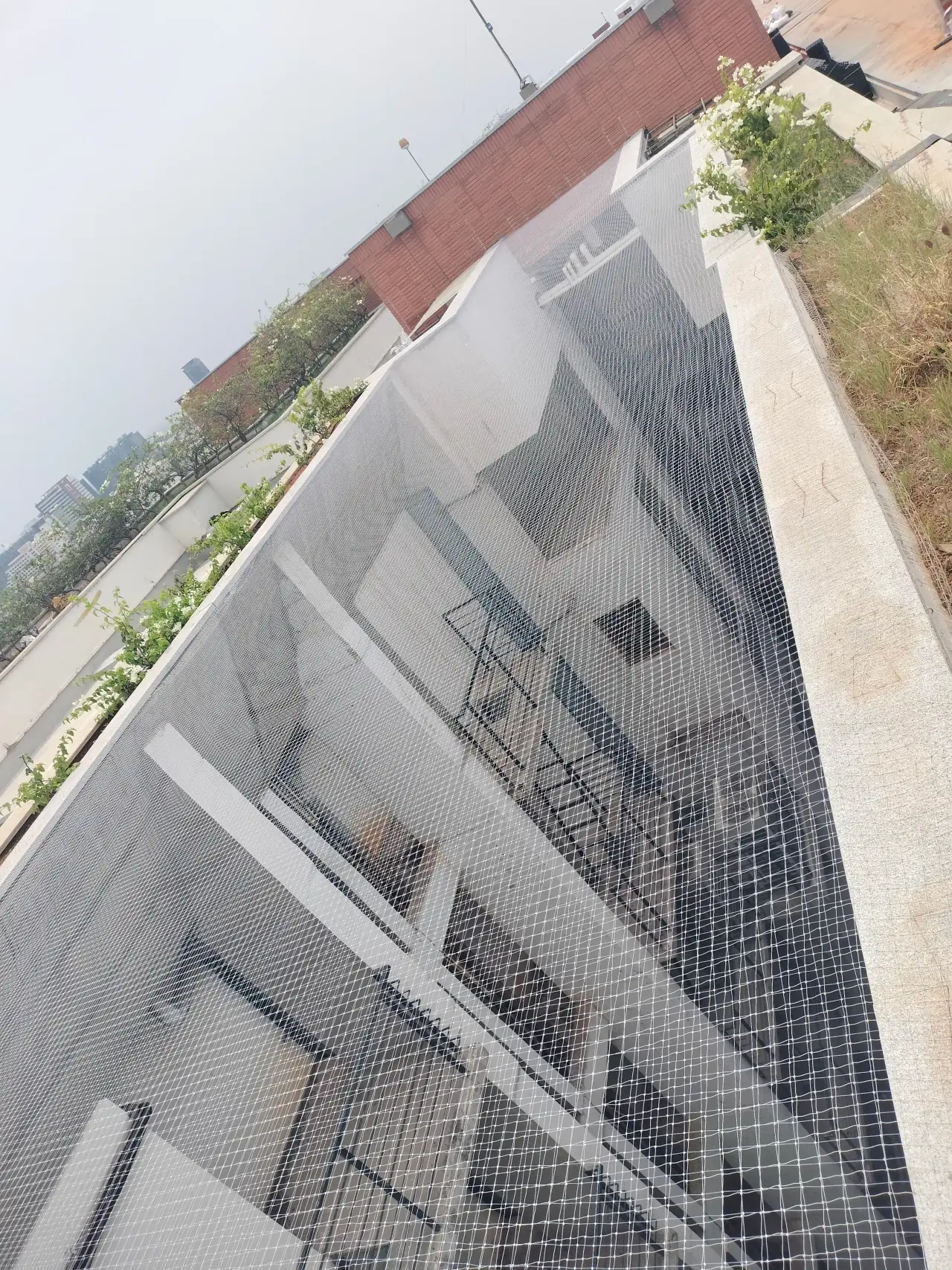
Terrace Safety Nets Guide for Rooftops, Open Edges, and Top-Floor Areas
Learn when terrace safety nets make sense, where they are most useful, and how rooftop protection differs from a standard balcony installation.
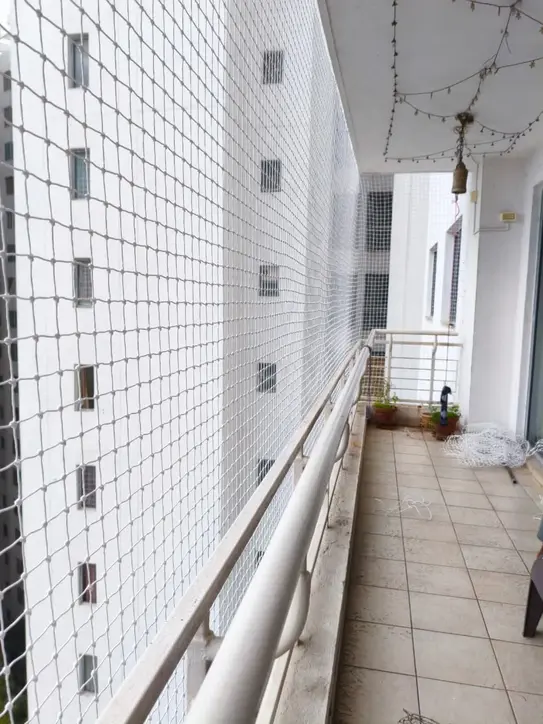
Anti-Bird Nets for Balconies, Windows, Ducts, and Utility Areas
Understand how anti-bird nets work across balconies, windows, ducts, shafts, and utility areas so you can solve bird intrusion with the right coverage plan.
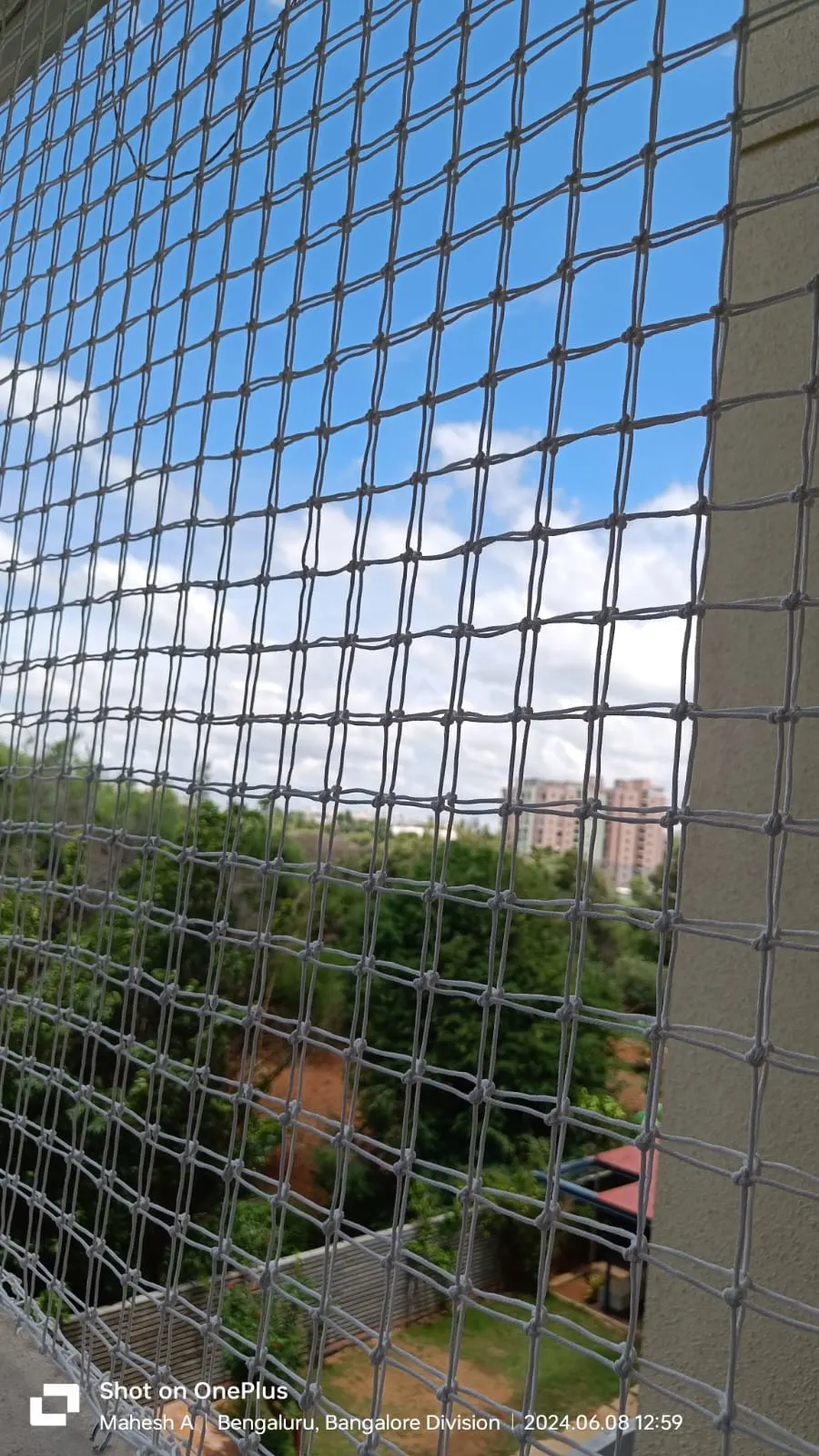
Child Safety Nets for Home Balconies, Stairs, Windows, and Utility Spaces
An A-to-Z guide for parents who want to make balconies, staircases, windows, and open spaces safer without making the home feel closed in.