
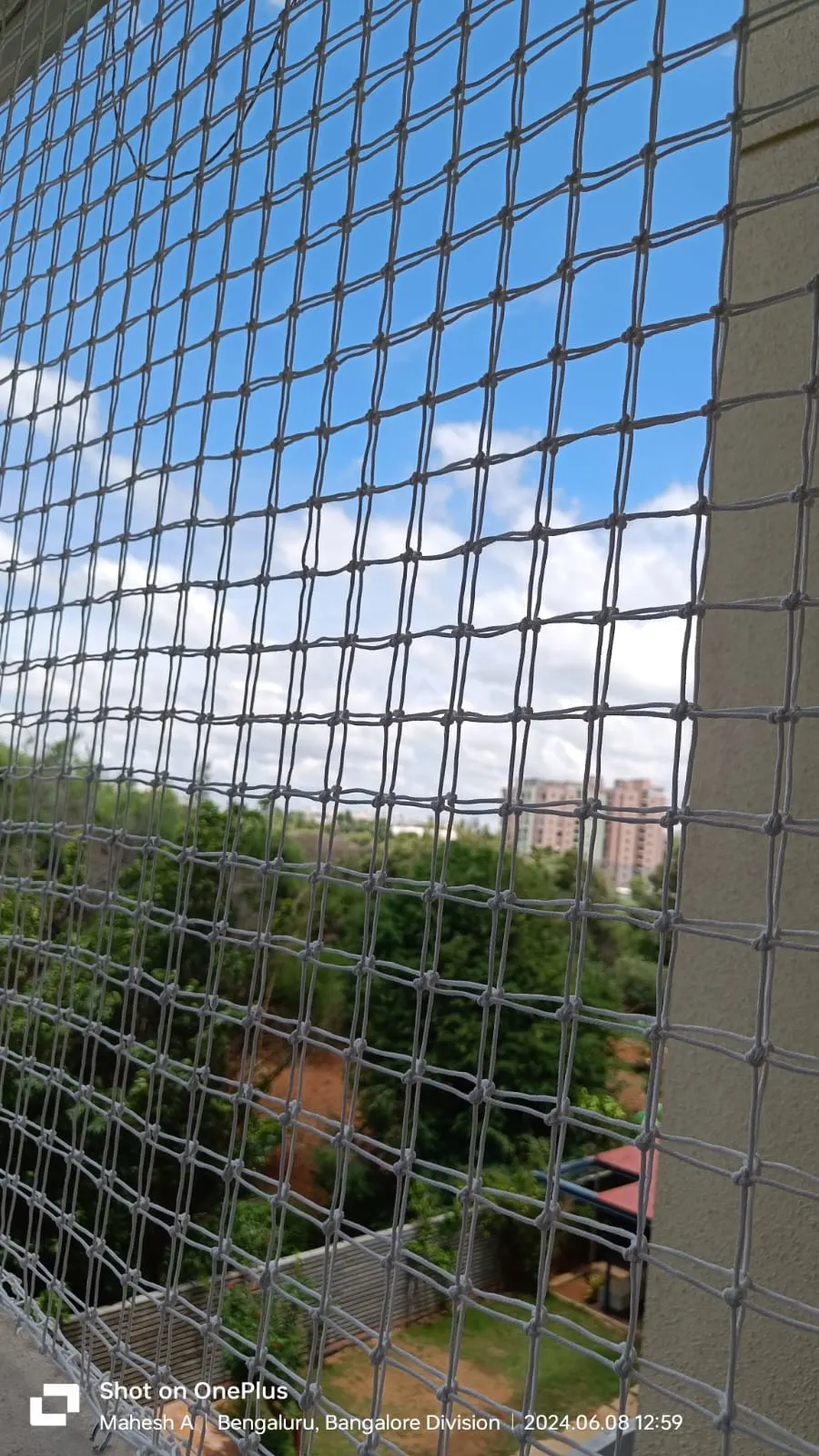
Child Safety Nets for Home Balconies, Stairs, Windows, and Utility Spaces
Understand where child safety nets help most inside modern homes, how they differ from standard barriers, and how to choose placements that actually reduce risk.
Parents often think about home safety only after a child starts crawling, climbing, or becoming curious about open spaces. That is when balconies, staircases, windows, and utility areas suddenly feel very different. A place that once looked normal starts to look like a risk zone.
Child safety nets help reduce those risks in a practical way. They create a barrier where supervision alone may not be enough, and they do it without turning the home into a heavily blocked environment.
Which parts of the home usually need child safety the most
Most people start with the balcony, but many child safety issues actually come from movement inside the home. Stair landings, railing gaps, open utility areas, loft edges, wide windows, and internal double-height spaces often need equal attention.
A good child safety plan looks at the house the way a child moves through it. That means identifying climbing points, leaning zones, reachable edges, and spaces where children may play unsupervised for a few minutes at a time.
- Balconies and sit-out spaces
- Staircases and landing edges
- Large windows and low-sill openings
- Utility areas and internal open voids
Why nets work better than temporary barriers in many homes
Temporary barriers can help in some situations, but they often shift, wear out, or look out of place when used as a long-term solution. Child safety nets are more adaptable because they can be planned around the exact shape of the opening and secured as part of the space rather than just placed in front of it.
That makes them useful for homes where layout conditions are irregular. Apartments with balcony corners, duplex staircases, or open utility shafts often need something more tailored than a standard ready-made barrier.
How to keep the home safe without making it feel closed
One of the biggest concerns parents have is whether a safety upgrade will make the home look heavy, dark, or awkward. That is why neat design and careful fitting matter so much. The goal should be a safer environment that still feels calm and breathable.
When fitted properly, child safety nets blend into the layout and support normal family life. Parents do not want to feel like every space has been turned into a restriction zone. They want quiet confidence that key danger areas are protected.
- Choose subtle, clean-fitting installations
- Prioritize actual risk zones instead of over-covering everything
- Keep ventilation and day-to-day movement open
- Match the solution to the home layout, not just the product type
What parents should ask before installation
Before going ahead, it is useful to ask how the installation will work in each specific area. Parents should understand the anchor points, whether the finish will be child-safe, how the installation will affect daily movement, and whether the chosen solution suits the age of the child and the behavior patterns at home.
The strong providers do not just sell a net. They help evaluate the high-risk areas, explain what kind of protection each one needs, and recommend a practical priority order.
FAQ
Quick answers before you decide
Where should child safety nets be installed first?+
Start with the spaces a child interacts with most often, usually balconies, stair landings, low windows, and any open internal edge.
Can child safety nets be used in apartments and duplex homes?+
Yes. They work well in both because they can be adapted to compact apartment spaces as well as larger internal stair and landing layouts.
Will child safety nets make the home feel blocked?+
A well-planned installation should not. The strong approach is to secure the real risk zones while keeping the overall home open and comfortable.
Related reads
Continue exploring service guides
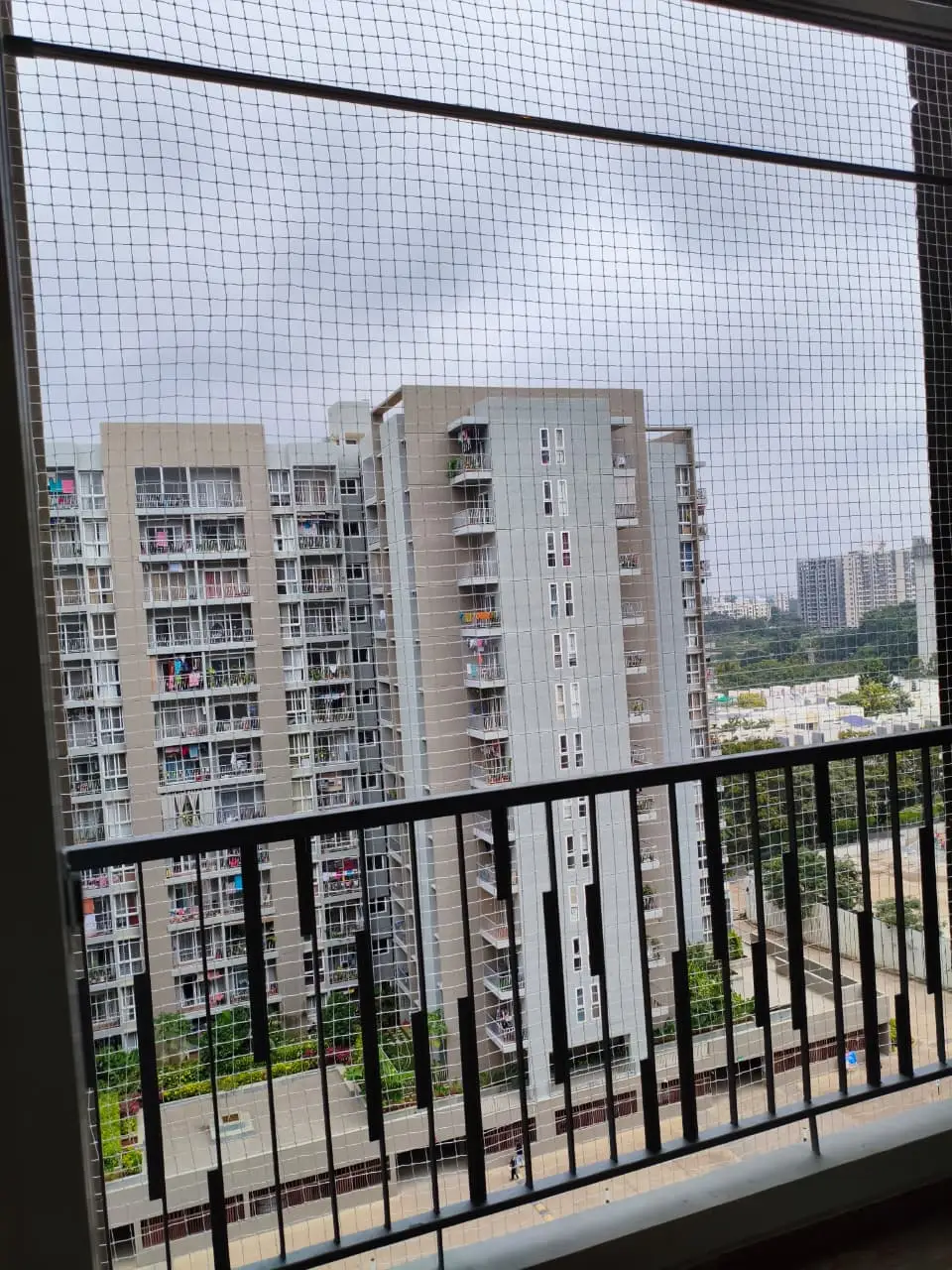
Complete Guide to Balcony Safety Nets for Apartments and High-Rise Homes
A practical A-to-Z guide to balcony safety nets for families, apartment owners, and property managers who want better protection without closing the balcony.
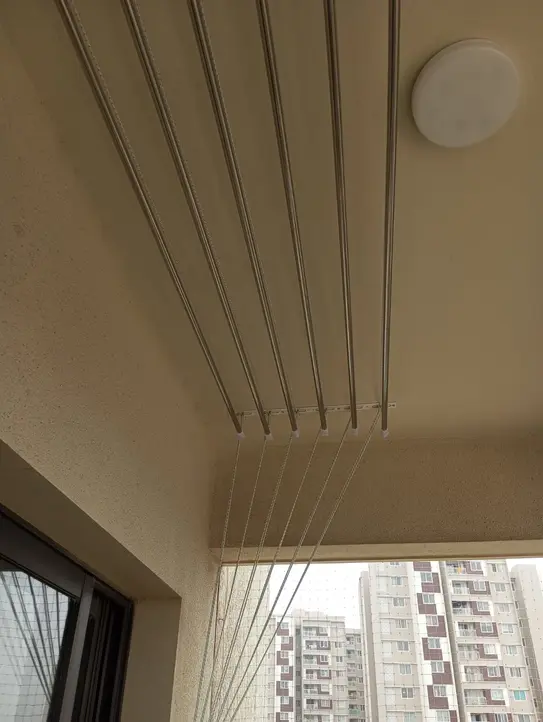
Cloth Hangers and Balcony Utility Planning After Safety Installation
A practical guide to cloth hangers, utility planning, and making small balconies work better after safety upgrades.
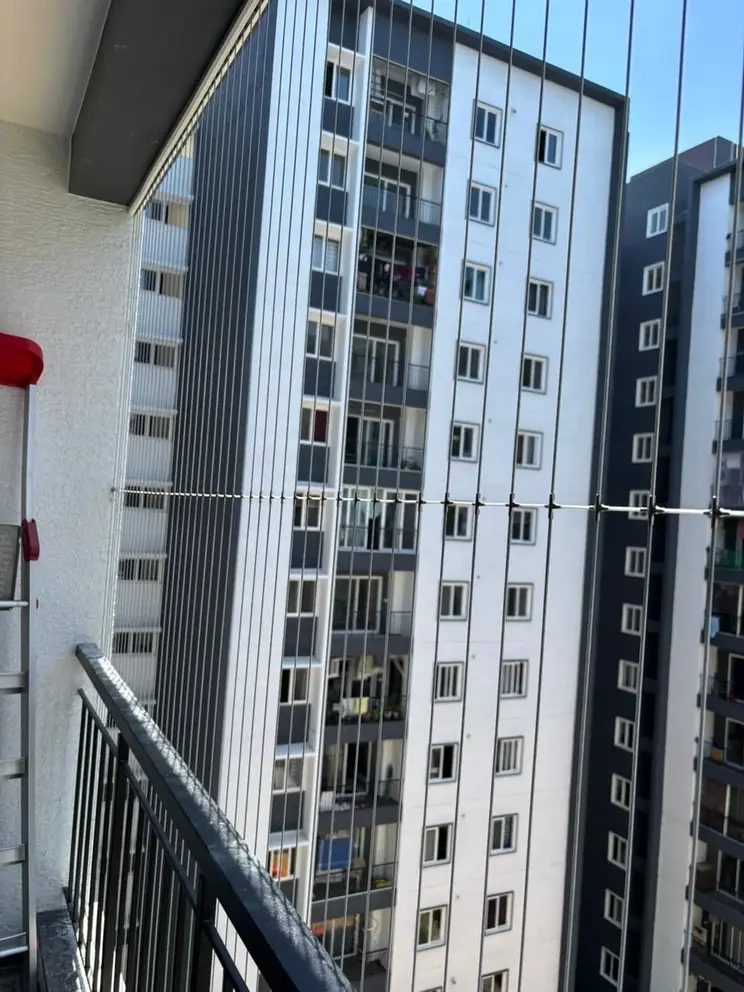
Invisible Grills vs Balcony Safety Nets: Which One Should You Choose?
A practical comparison for homeowners deciding between invisible grills and balcony safety nets for apartments, villas, and modern balconies.