
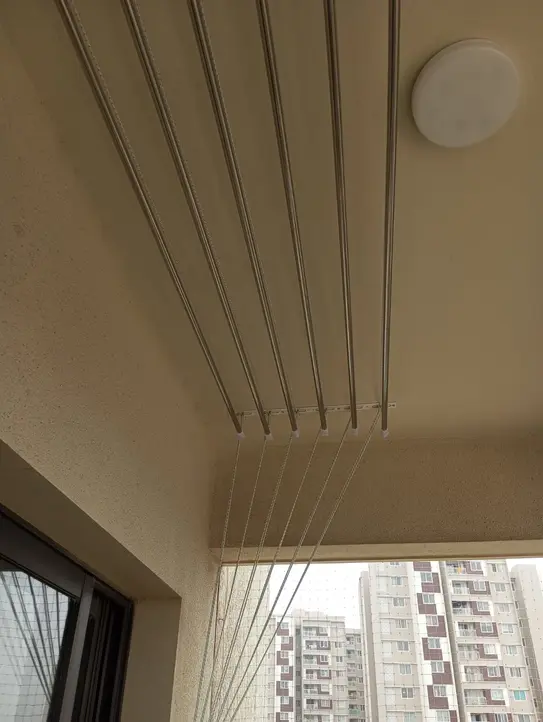
Cloth Hangers and Balcony Utility Planning After Safety Installation
Learn how cloth hanger systems fit into compact balconies and utility areas, and how to keep the space functional after adding safety nets or other protection systems.
Many balconies and utility spaces become inefficient not because they are too small, but because they are asked to do too many things without a clear layout. Once safety nets or other protective systems are installed, residents often ask the next question immediately: how do we keep this space practical for drying clothes and daily utility work?
That is where cloth hanger systems make sense. They are not just accessories. They are part of balcony planning, especially in compact apartments where space has to serve safety, drying, airflow, and movement at the same time.
Why cloth hanger planning matters in compact balconies
In small utility balconies, every inch affects comfort. If the drying system is poorly placed, the space becomes difficult to move through. If it is installed thoughtfully, the balcony feels cleaner, more useful, and easier to maintain.
This matters even more after a safety installation. Residents do not want the new protection to reduce usability. They want the space to feel better organized than before, not more crowded.
How cloth hangers work well with safety nets
Safety nets protect the edge, while cloth hangers improve how the inner space is used. These two systems complement each other when planned together. The hanger should not interfere with the safety function, and the safety installation should not make drying awkward.
That coordination is what separates a neat utility balcony from one that looks improvised. Both functions need to be considered during planning, not one after the other with no relationship.
What makes a balcony utility setup feel organized
The strong utility layouts respect movement, hanging height, daylight, and access. A resident should be able to use the hanger comfortably, reach the space easily, and still keep the balcony clean. Even a compact apartment can feel efficient when the layout is balanced.
The point is not to fill the balcony with features. It is to make each feature serve daily life properly.
- Keep hanging access easy
- Avoid blocking walking space
- Match the hanger size to the real balcony width
- Plan it alongside the safety installation
Why this small upgrade matters more than people expect
Balcony comfort is built from practical details. A well-fitted cloth hanger may seem like a small addition, but in many apartments it improves daily routine more than decorative upgrades ever will.
When combined with a good safety setup, it turns the balcony into a space that feels both protected and useful. That is the kind of upgrade residents notice every single day.
FAQ
Quick answers before you decide
Can cloth hangers be installed after balcony safety nets?+
Yes. In fact, they work strong when both systems are planned together so the balcony stays safe and easy to use.
Are cloth hangers useful only in small balconies?+
No. They are especially helpful in compact balconies, but they are also useful in larger utility spaces where drying layout matters.
What is the main benefit of a cloth hanger system?+
It improves daily organization and drying convenience without wasting valuable balcony or utility space.
Related reads
Continue exploring service guides
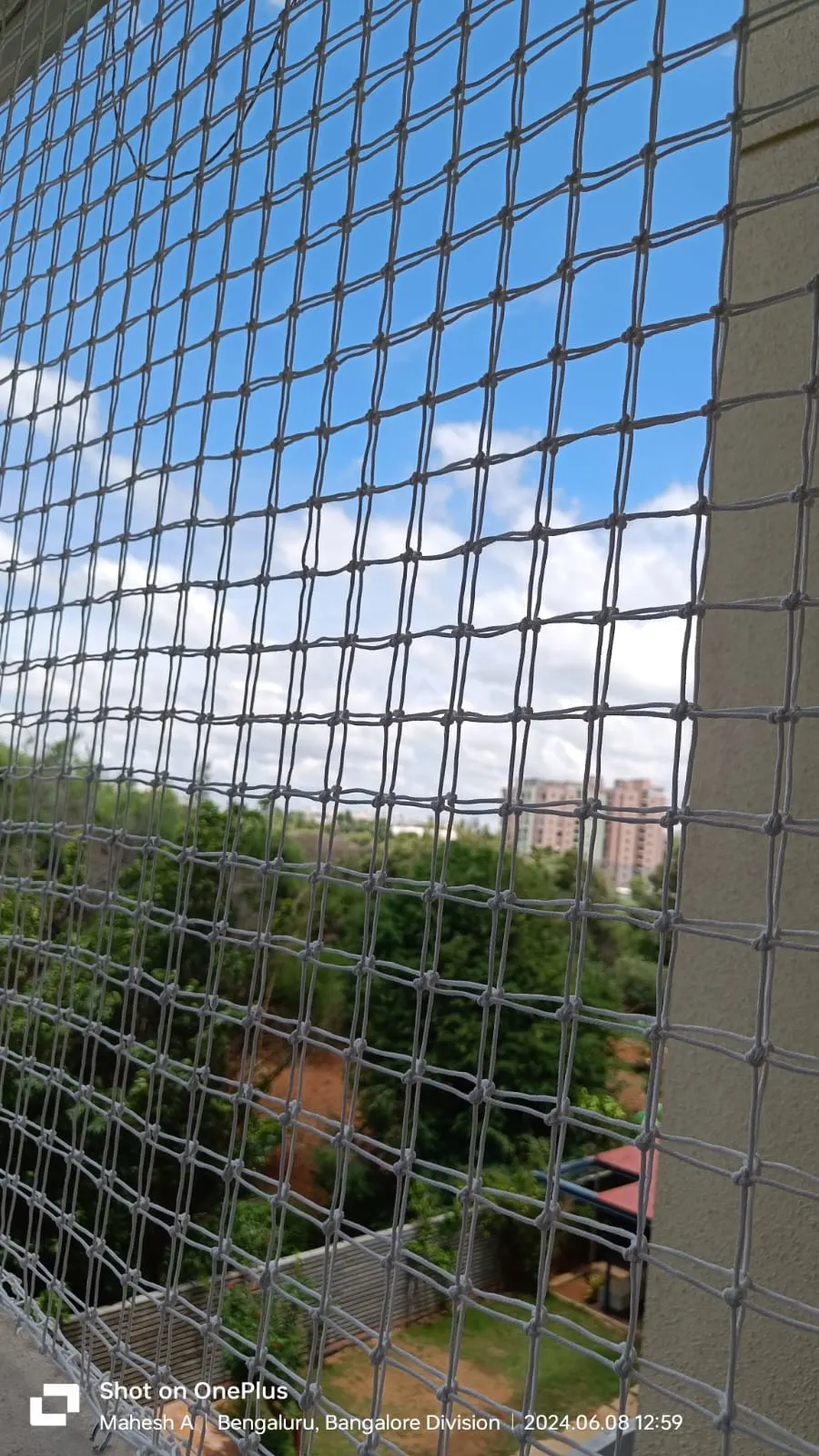
Child Safety Nets for Home Balconies, Stairs, Windows, and Utility Spaces
An A-to-Z guide for parents who want to make balconies, staircases, windows, and open spaces safer without making the home feel closed in.
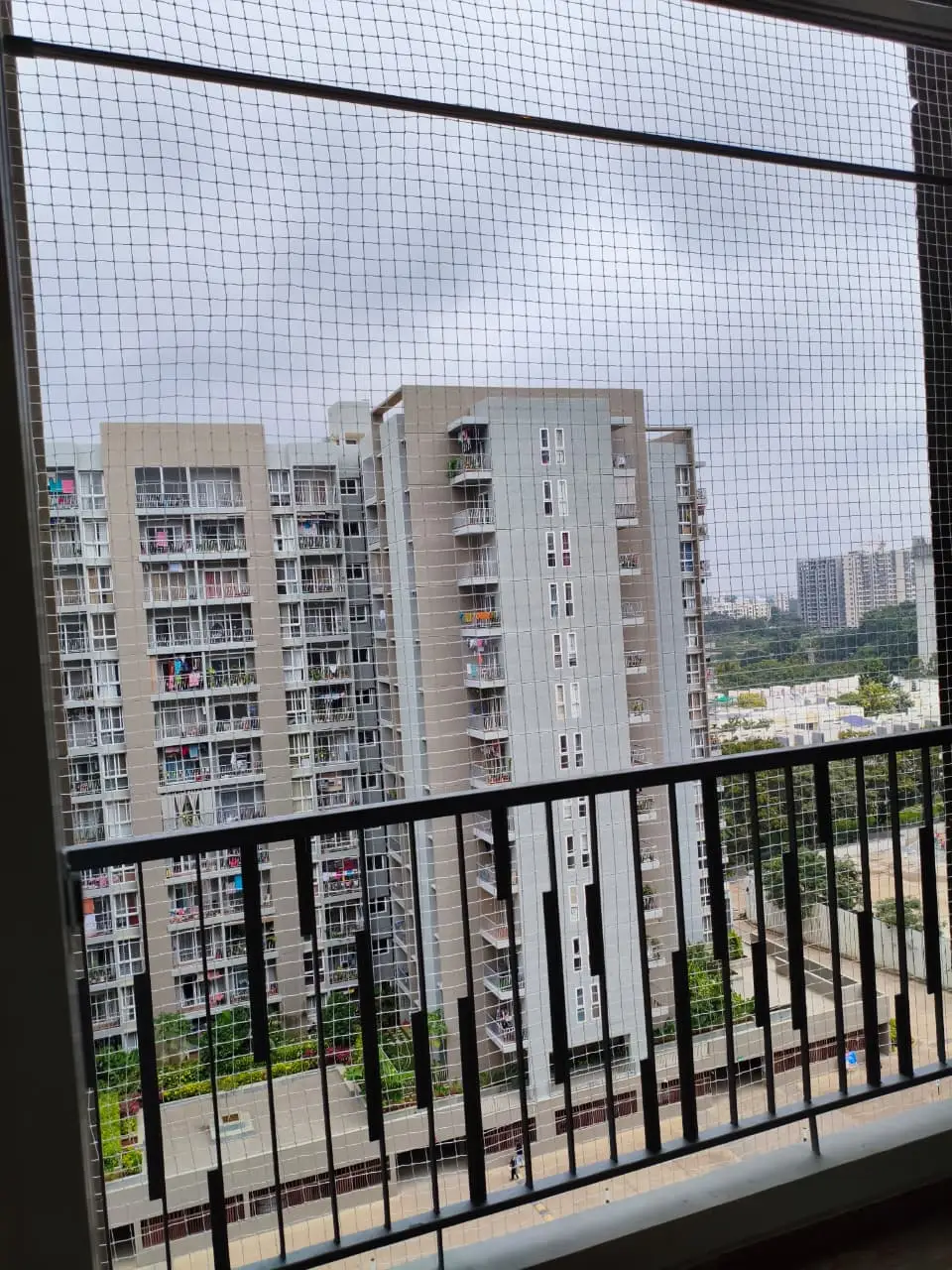
Complete Guide to Balcony Safety Nets for Apartments and High-Rise Homes
A practical A-to-Z guide to balcony safety nets for families, apartment owners, and property managers who want better protection without closing the balcony.
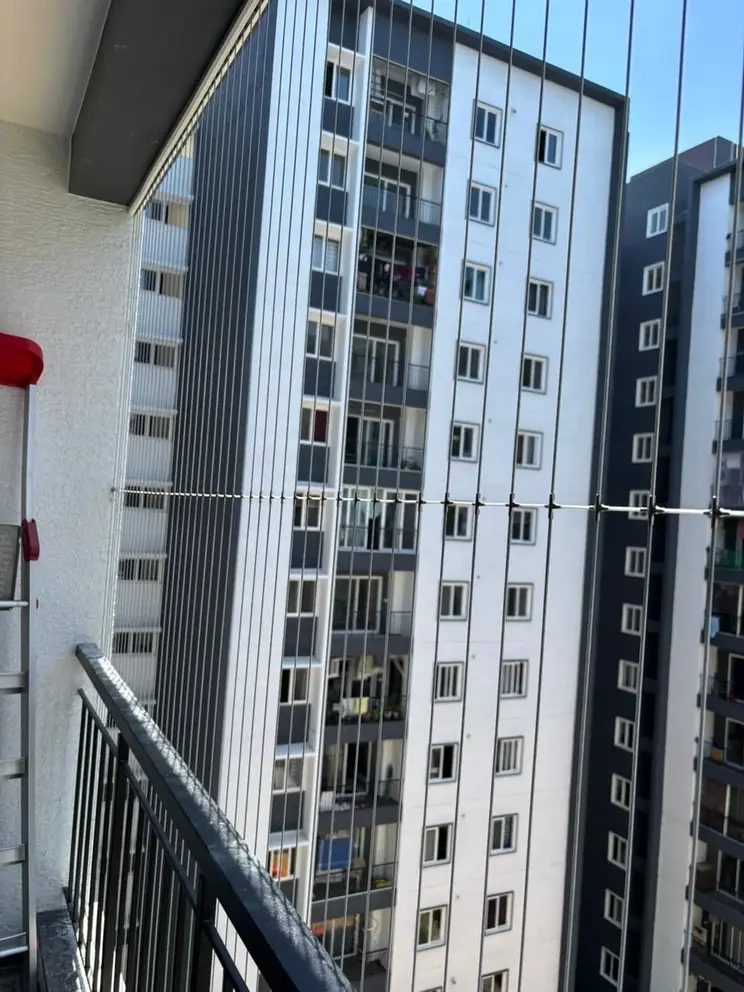
Invisible Grills vs Balcony Safety Nets: Which One Should You Choose?
A practical comparison for homeowners deciding between invisible grills and balcony safety nets for apartments, villas, and modern balconies.