
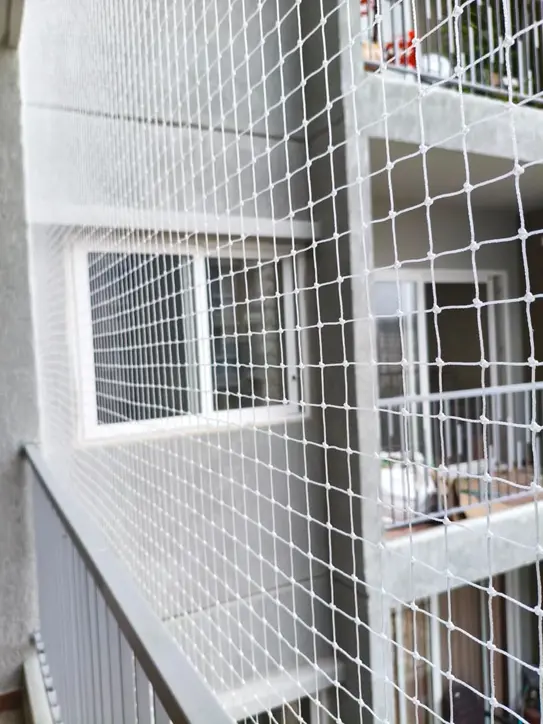
Pigeon Safety Nets vs Bird Spikes: Which Is Better for Real Bird Control?
Compare pigeon safety nets and bird spikes in a practical way so you can choose the right solution for balconies, windows, ledges, ducts, and open areas.
When people start looking for bird control, they usually ask the same question first: should they install pigeon safety nets or bird spikes? The confusion is understandable because both are used for pigeon-related problems, but they are not direct substitutes in every situation.
The truth is that each one works strong in a different kind of space. Choosing the wrong one often leaves the problem half-solved. That is why the smarter approach is to understand what each product is meant to do before deciding.
Where pigeon safety nets clearly work better
Pigeon safety nets are the stronger option when the problem is access to an open space. If pigeons are entering a balcony, nesting inside a duct area, moving through a utility opening, or making a shaft difficult to keep clean, the goal is not just to discourage them. The goal is to block entry fully.
That is exactly where nets do their strong work. They create a barrier across the opening, which means the birds cannot reach the area at all. That is a different result from trying to make the surface uncomfortable for landing.
- Balconies and sit-out areas
- Utility zones and shafts
- Duct and open service openings
- Large windows and exposed voids
Where bird spikes make more sense
Bird spikes are useful when pigeons are mainly resting or perching on a narrow surface. Ledges, beams, sign edges, parapet tops, and similar landing strips are where spikes can work well. In those cases, the issue is not a large entry gap. It is repeated perching on a specific line or edge.
Spikes help discourage that surface use. They are not meant to close open spaces, and that is where many people misunderstand them. A spike cannot replace a net on a balcony opening just because both relate to pigeons.
How to decide between them without guessing
Start by asking what the bird is doing. If it is entering, nesting, or using the space internally, you usually need a net or full barrier system. If it is only sitting on a narrow exposed surface, spikes may be enough.
The next question is whether the affected zone is a ledge or an open volume. That one distinction alone solves most of the confusion between these two products.
Pigeon safety nets
strong for blocking access to balconies, shafts, ducts, windows, and open areas.
Bird spikes
strong for discouraging landing on narrow ledges, beams, and resting edges.
Why the strong bird-control plan may use both
In many buildings, the smartest answer is not one or the other. It is both in the right places. A balcony opening may need a pigeon net, while the outside parapet or nearby ledge may benefit from spikes. That gives broader control without misusing either product.
This is where expert planning helps. The right recommendation should come from the structure and the bird behavior, not from whichever product is easier to sell.
FAQ
Quick answers before you decide
Are pigeon safety nets better than bird spikes?+
They are better for blocking access to open spaces. Bird spikes are better for discouraging landing on narrow ledges and surfaces.
Can bird spikes replace balcony pigeon nets?+
No. Spikes do not close a balcony opening, so they cannot replace a net where the problem is actual entry into the space.
Can both be used together?+
Yes. In many buildings, nets control open access while spikes help with ledges and nearby perch points.
Related reads
Continue exploring service guides
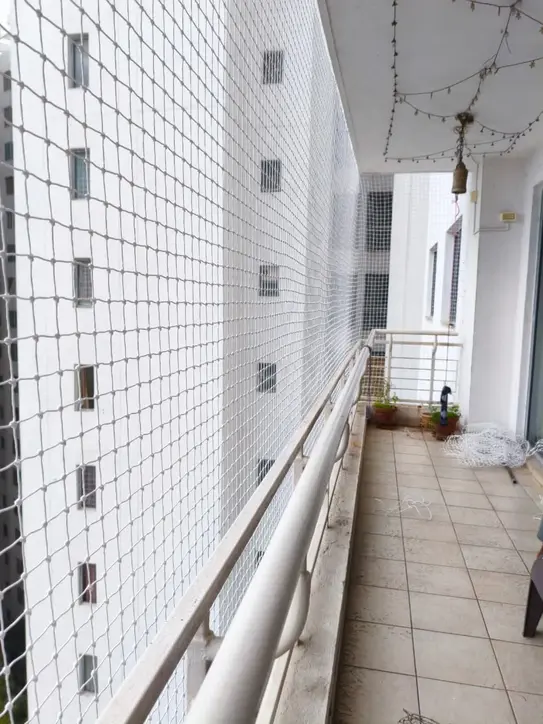
Anti-Bird Nets for Balconies, Windows, Ducts, and Utility Areas
Understand how anti-bird nets work across balconies, windows, ducts, shafts, and utility areas so you can solve bird intrusion with the right coverage plan.
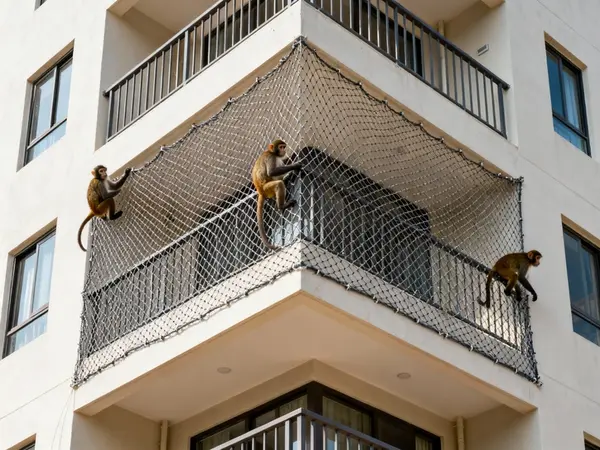
Monkey Safety Nets for Homes Near Green Zones, Open Hill Areas, and Terrace Access Points
A focused guide for homes, villas, and terrace spaces where monkey intrusion creates repeated safety, hygiene, and property-use problems.
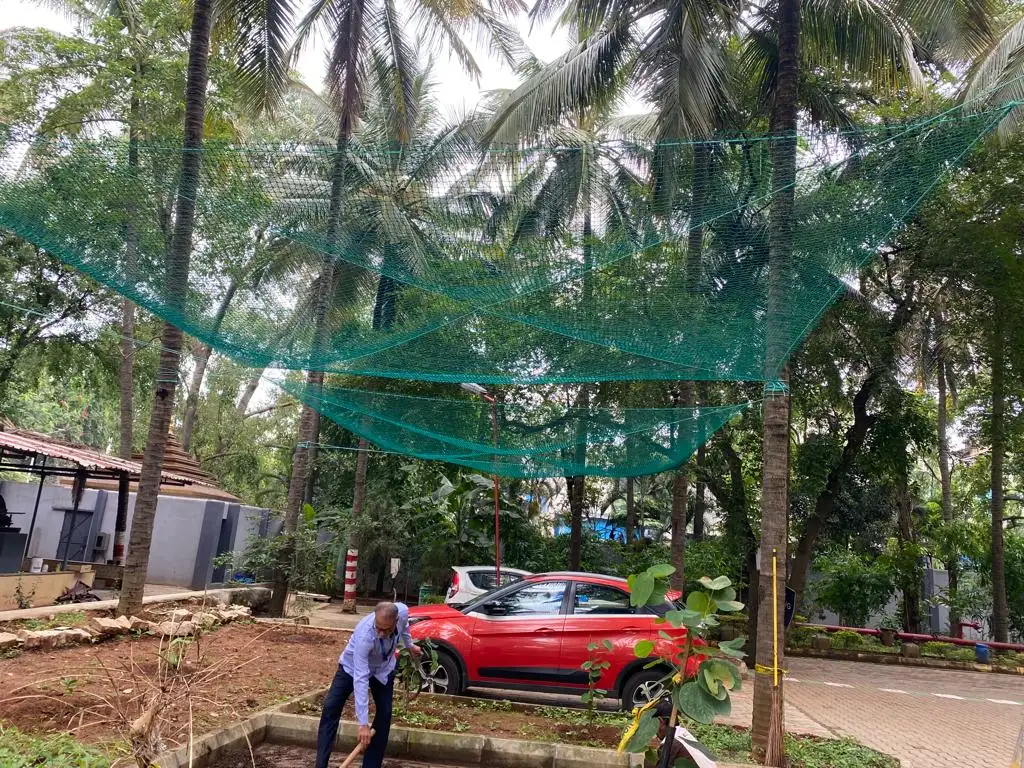
Car Parking and Open Area Safety Nets: When Buildings Need Heavy-Duty Protection
A detailed guide for apartment buildings, parking decks, podium edges, and open structural zones that need stronger protective net systems.