
Best fit
Where anti bird nets work best
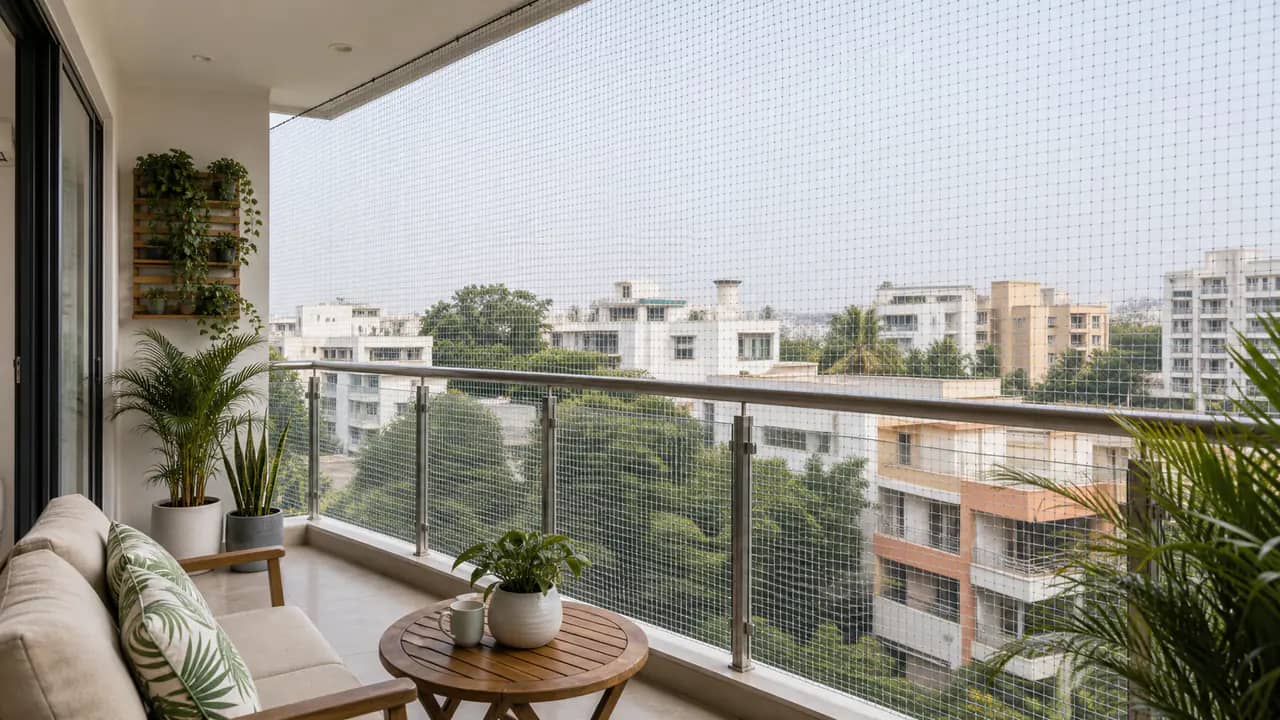
Open balconies, window frames, service ducts, shafts, vents, terrace pockets, warehouse openings, parking areas, and utility gaps where birds enter through a visible opening.
Main service page
Start with the gallery, then use the sections below to compare fit, material, pricing factors, and booking questions before you decide.
Quick decision view
Use this quick guide to decide whether anti bird netting is the right service for your opening, or whether a pigeon net, HDPE pigeon net, bird spike, children safety net, or invisible grill page is a better fit.
Why this helps
These are the four signals most people scan first before they decide whether to stay on this page, compare another service, or move straight to a quote.
Best fit
Open balconies, window frames, service ducts, shafts, vents, terrace pockets, warehouse openings, parking areas, and utility gaps where birds enter through a visible opening.
Main need
Repeat bird entry, nesting material, feathers, droppings, cleaning effort, blocked ducts, and birds moving through open spaces that should remain ventilated and usable.
Material choice
HDPE mesh, nylon mesh, transparent mesh, mesh size, rope support, hook quality, UV exposure, visibility preference, opening size, and how much daily access is needed.
Estimate factors
Width, height, mesh type, number of corners, side returns, ducts, AC units, floor access, ladder or rope access, fixing surface, and the number of openings covered.
Responsible fitting
The installer should check for active nests, trapped birds, loose debris, sharp edges, weak surfaces, drainage, cleaning access, and future maintenance needs before final fixing.
Buyer guide
A useful anti bird net page should help customers understand the opening, the bird-entry route, the mesh requirement, and the right alternative if netting is not the best solution. The goal is not to sell one net for every problem, but to match the right barrier to the actual site.
Opening type
Balconies, bedroom windows, kitchen windows, service ducts, utility shafts, terrace pockets, warehouse vents, and parking gaps all need different fixing plans. A broad anti bird net service should explain these differences clearly.
Bird activity
If birds are entering an opening, anti bird nets are usually relevant. If they are only sitting on a narrow ledge or AC top, bird spikes may be a cleaner solution. If pigeons dominate a balcony, a pigeon-net page may answer that intent better.
Mesh choice
The mesh should be small enough for the bird problem being handled, while still allowing suitable airflow, light, and visibility. Pigeons, crows, mynas, sparrows, and mixed birds may need different planning.
Fixing plan
Most failures happen at edges, not the centre of the net. Ask how the installer will handle corners, AC pipes, grills, ducts, window frames, drainage points, and side returns.
Material durability
Outdoor bird nets should be chosen for sun, rain, humidity, dust, wind, and cleaning. Mesh, border rope, hooks, clamps, cable ties, sleeves, and anchors all affect long-term performance.
Quote clarity
A helpful estimate should explain measured area, material, fixing hardware, installation access, difficult corners, service location, and what support is included after installation.
Fast shortlist checklist
A quick scan of these points usually tells people whether this page fits well, whether a nearby page may suit better, or whether it is time to request a quote.
Continue to the dedicated Bangalore service guide for local details, or browse every supported city and area.
Main city service page
Open the Bangalore page for city-specific service guidance and local-area coverage.
Open Bangalore service →
Browse city pages and local area coverage
Not in Bangalore? Find the matching service coverage for another city or nearby area.
Browse all locations →
Service highlights
Highlight 1
Useful for balconies, windows, ducts, shafts, vents, terrace pockets, and utility gaps.
Highlight 2
Planned for pigeons, mynas, crows, sparrows, and other birds where mesh size and site conditions allow.
Highlight 3
Corners, side gaps, frames, hooks, ropes, and fixing points are planned around the actual opening.
Highlight 4
Recommended when birds enter an opening; spikes are better for narrow ledges and AC-top landing lines.
Anti bird nets are physical mesh barriers installed across openings where birds repeatedly enter, sit, roost, or bring nesting material. They are useful for apartments, villas, commercial buildings, warehouses, parking areas, service ducts, ventilation openings, open-to-sky shafts, terrace pockets, and utility spaces where birds can access the inside area.
This page is written for mixed-bird and full-opening control. It is not the same as a narrow bird-spikes service, and it is broader than a pigeon-heavy balcony net page. The right recommendation depends on whether birds are entering an opening, sitting only on a ledge, nesting in a duct, or using multiple gaps around the building.
A strong anti bird net installation should look simple after completion, but the planning should be detailed. Good fitting considers the measured opening, wall or frame condition, wind exposure, mesh type, side gaps, rope tension, hooks or fasteners, cleaning access, active bird activity, and future maintenance.
The best result is a clean, breathable, and practical barrier that helps reduce bird entry while keeping the treated space usable for ventilation, light, and everyday access.
Most customers search for anti bird nets after cleaning the same balcony, window, duct, or shaft many times. The issue is often not just one bird sitting outside; it is repeated entry through an opening that needs a planned physical barrier.
Why choose us
Benefit 1
Clear recommendation between anti bird nets, pigeon nets, HDPE pigeon nets, and bird spikes
Benefit 2
Custom fitting for balconies, windows, ducts, shafts, vents, terrace pockets, and utility areas
Benefit 3
UV-stabilized HDPE, nylon, and transparent mesh options based on opening and visibility needs
Benefit 4
Measured gap control around corners, frames, pipes, AC units, grills, and side returns
Benefit 5
Photo-based scope checks before final measurement or installation planning
Benefit 6
Service available in selected cities and Kerala service locations, based on area and schedule
Features
Anti bird nets work best when birds are entering through an opening that can be closed with mesh. This may be a flat balcony, bedroom window, kitchen window, service duct, utility shaft, open terrace pocket, warehouse vent, parking gap, or building-side utility area.
The service is especially useful when the problem is broader than only pigeons on a balcony. If mixed birds are entering through windows, ducts, vents, or shafts, the installation should be planned as a full-opening bird-control system rather than a simple front balcony net.
We provide anti bird net installation in selected cities and service areas. Availability depends on exact location, site access, project size, material requirement, current schedule, and whether the opening can be safely measured and fitted.
For a quicker estimate, share your city, area name or pin code, photos or videos of the opening, approximate width and height, floor level, and a short note on where birds are entering. Kerala service is available only in selected locations, so city and pin-code confirmation is required before booking.
Clear service separation helps customers choose faster and prevents the page from competing with your other services. Anti Bird Nets should target broad bird-entry control for openings. Balcony Pigeon Nets should focus on pigeon-heavy balcony and duct issues. HDPE Pigeon Nets should focus on customers specifically searching for HDPE mesh. Bird Spikes should focus on narrow ledges and AC-top landing lines.
This page should therefore explain complete opening coverage, mixed-bird activity, mesh choice, and edge sealing. It should not promise child safety like a children safety net page, and it should not compete with invisible grills, which are stainless-steel cable systems for open-view safety.
Material selection should be based on the opening, bird type, sun and rain exposure, visibility preference, and how much cleaning access the customer needs. HDPE and nylon mesh are common for outdoor bird-control netting, while transparent or lighter visual options may be considered where appearance matters.
Mesh size matters because the net should block the target bird activity without making the area unnecessarily closed. A balcony used for daily ventilation, a small utility shaft, a large warehouse opening, and a window frame may each need a different mesh and fixing plan.
A fixed anti bird net price without measurements can be misleading because two openings with the same front width can need very different labour and material. A simple balcony front, a multi-side duct, a shaft with pipes, a warehouse vent, and an open terrace pocket all change the final scope.
A useful estimate should explain what is included: measured area, mesh material, rope or border support, hooks or fasteners, installation labour, difficult access, corner work, finishing, and any future access panels or service support needed.
Anti bird netting should be installed as a barrier, not as a trap. Before closing an opening, the site should be checked for active nests, eggs, young birds, trapped birds, and hidden entry pockets. If birds are already inside, the opening should not be sealed until the situation is handled safely and responsibly.
After installation, the net should be kept firm and inspected periodically. Loose, damaged, or poorly fixed netting can create gaps, allow re-entry, or create avoidable entanglement risk. Responsible maintenance protects both the building and birds.
Good photos reduce wasted time and help prepare a more accurate quote. Send clear images from inside and outside where safe, plus a short video showing where birds enter or sit. For ducts and shafts, include nearby pipes, grills, service openings, and corners.
A final quote may still need measurement, but the right details help decide whether the job needs anti bird nets, pigeon nets, HDPE pigeon nets, bird spikes, or another solution.
Safety net installation process
Professional anti bird netting starts with identifying the opening and the bird-entry route, then selecting the right mesh, fixing method, and edge finish for the site.
Step 1
The team checks where birds enter, sit, or bring nesting material, and confirms whether anti bird nets are better than pigeon nets, HDPE pigeon nets, or bird spikes for the site.
Step 2
Before closing the opening, the installer checks for active nests, trapped birds, loose debris, weak surfaces, pipes, AC units, service access, and safe installation points.
Step 3
Width, height, depth, corners, frames, side returns, ducts, vents, and fixing points are measured so the net can be cut and fitted to the actual opening.
Step 4
The mesh, rope, hooks, clamps, anchors, cable ties, support cable, and finishing accessories are selected based on opening size, bird activity, visibility, and weather exposure.
Step 5
Fixing hardware is placed at suitable points, the mesh is aligned across the opening, and corners are secured without leaving loose entry gaps.
Step 6
The net is tensioned, edges are finished, excess material is trimmed, and any required access section is checked for cleaning, AC service, duct access, or future maintenance.
Step 7
The finished installation is checked for gaps, sagging, sharp-edge rubbing, airflow, visibility, and user access, then the customer is guided on cleaning and periodic maintenance.
Anti bird nets perform best when the net stays firm, edges stay closed, and small damage is corrected early. Most routine maintenance is simple: visual inspection, gentle cleaning, checking corners, and tightening or replacing small accessories when needed.
Maintenance is especially important for ducts, shafts, vents, terrace pockets, coastal locations, high-rise openings, and areas exposed to wind, rain, dust, renovation work, AC servicing, or repeated bird pressure.
FAQs
Anti bird nets are used to cover openings such as balconies, windows, utility ducts, shafts, terrace pockets, vents, warehouses, and parking areas where birds enter, sit, or bring nesting material. The net works as a physical barrier while keeping airflow and daylight practical.
Pigeon nets are usually chosen when the main issue is pigeon entry in a balcony, duct, or ledge corner. Anti bird nets are broader and can be planned for mixed-bird entry through many types of openings, including windows, shafts, vents, terrace pockets, and commercial gaps.
Choose bird spikes when birds only sit on a narrow ledge, AC outdoor-unit top, pipe, beam, parapet, or sign edge. Choose anti bird nets when birds enter or move through an open space that needs to be covered.
A correctly selected mesh should keep airflow and daylight comfortable. The exact visibility and finish depend on mesh type, colour, thickness, opening size, and fixing method.
Yes. Anti bird nets are often useful for ducts, shafts, vents, and utility gaps where birds enter through repeated openings. The installer should check the frame, pipe routes, cleaning access, and existing bird activity before final fitting.
Yes. Service is available in selected areas including Guntur, Eluru, Ongole, and other listed cities. Availability depends on exact location, site access, project size, material requirement, and installer schedule.
Kerala service is available in selected locations only. Share your city, pin code, photos, and approximate measurements so availability can be confirmed before booking.
Yes. Photos, videos, approximate width and height, floor level, location, and the bird-entry points can help prepare an initial estimate. A final quote may depend on exact measurement, access, fixing points, and material selection.
Related services
If this page is close but not exact, these are the next service pages worth comparing before you request a quote.
Main service page
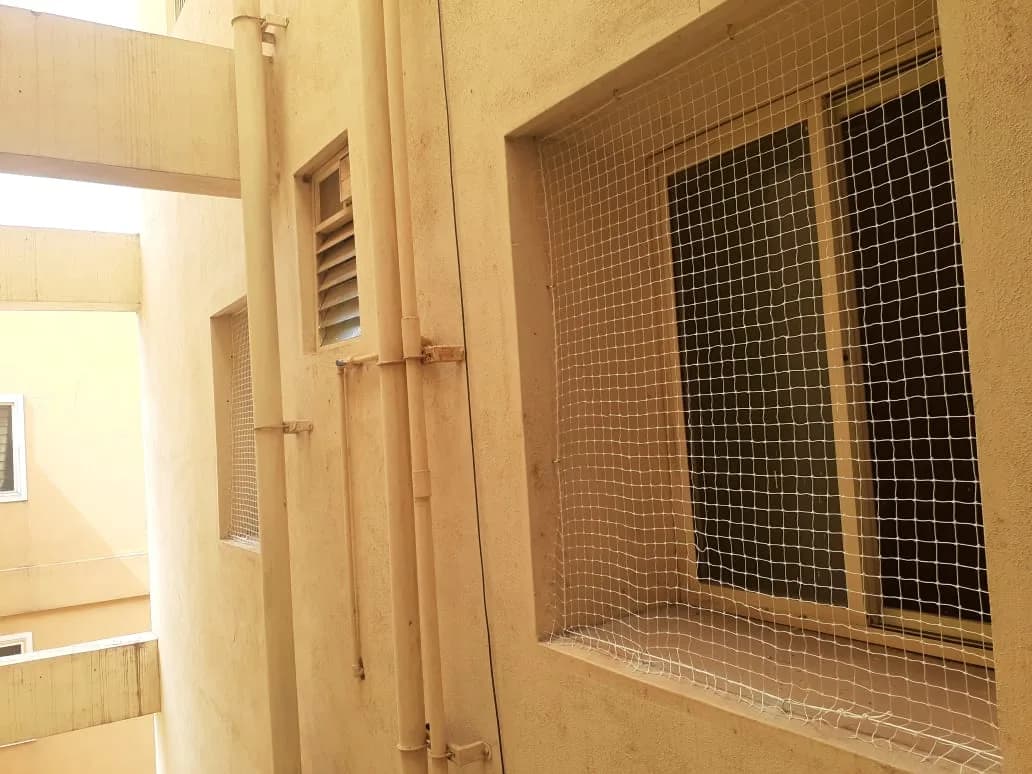
Anti-Bird Nets for Windows prevent birds from entering your home while allowing fresh air ...
Explore →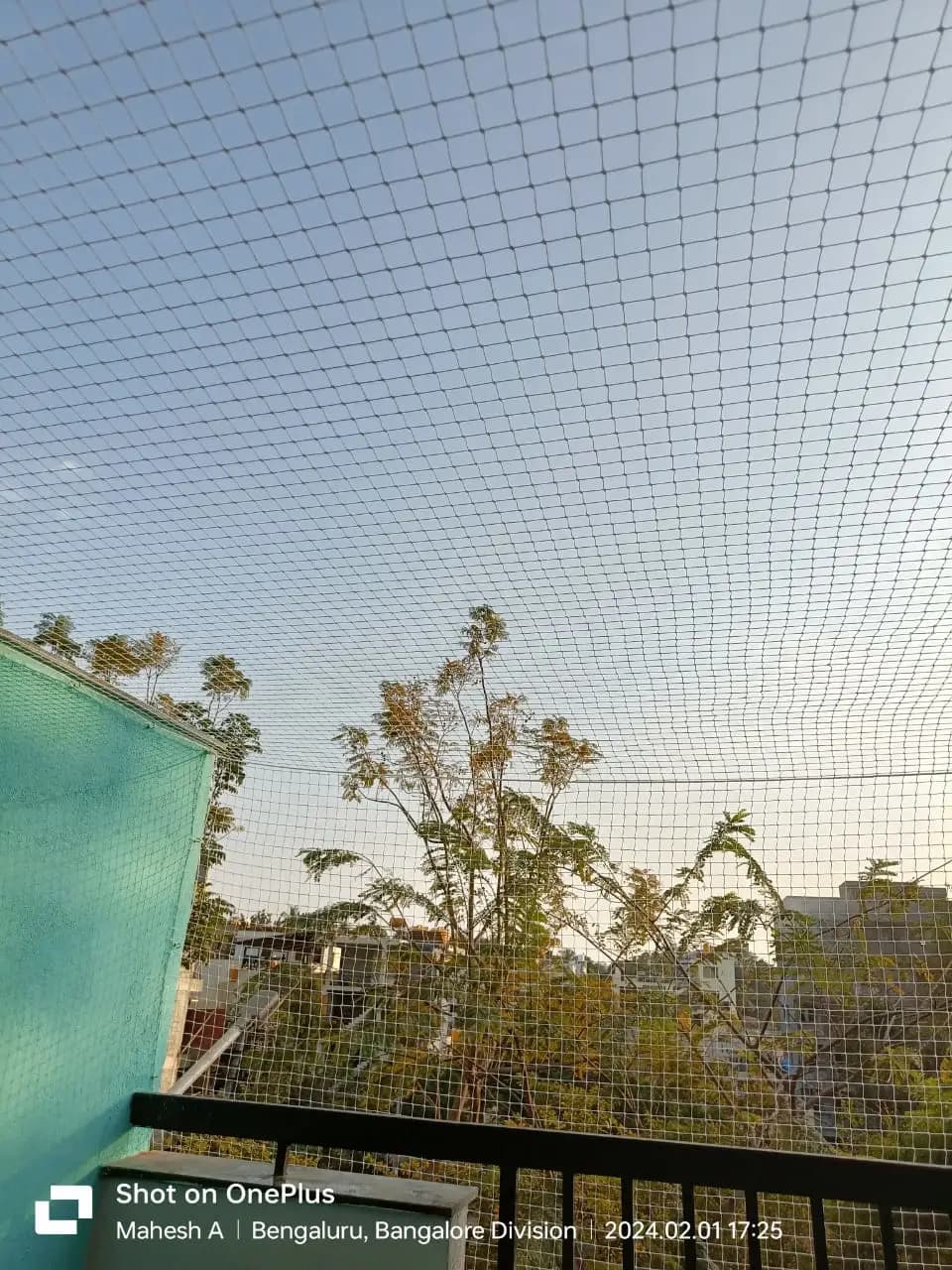
Main service page
Open Area Bird Nets provide strong and large-coverage netting ideal for terraces, open bal...
Explore →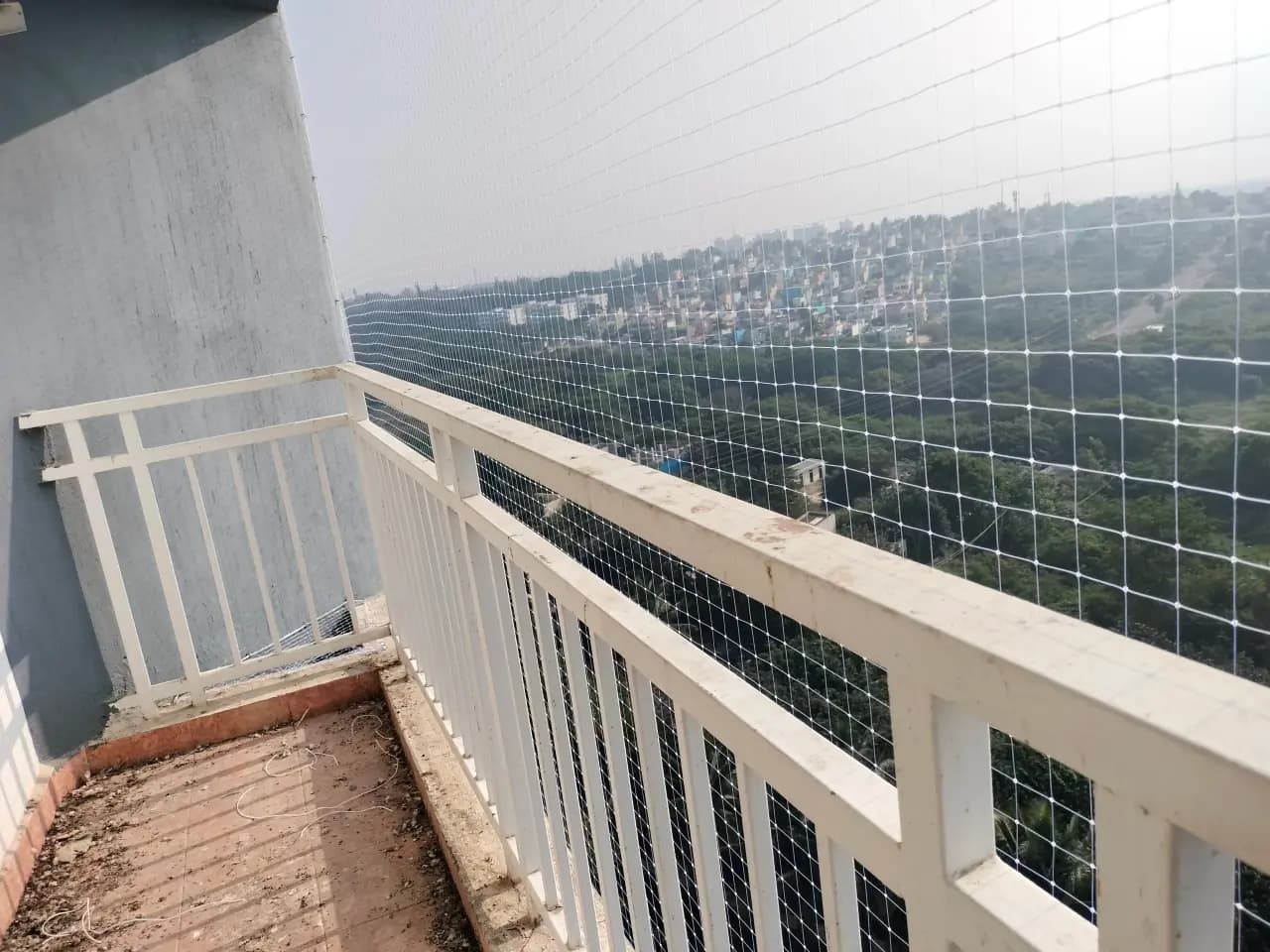
Main service page
Industrial Bird Nets are heavy-duty nets designed for factories, warehouses, production un...
Explore →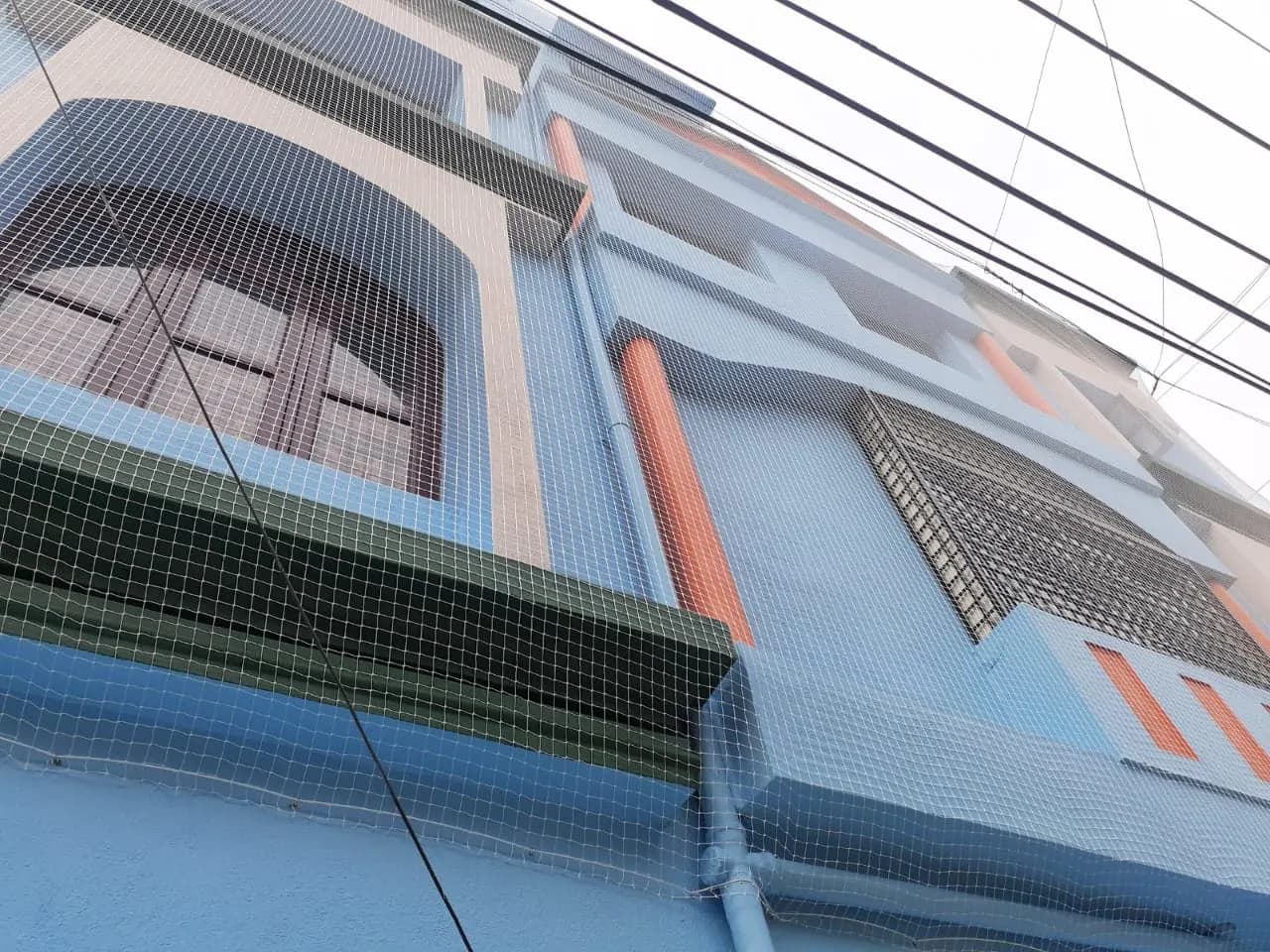
Main service page
Glass Facade Bird Protection Nets prevent birds from colliding with large glass panels and...
Explore →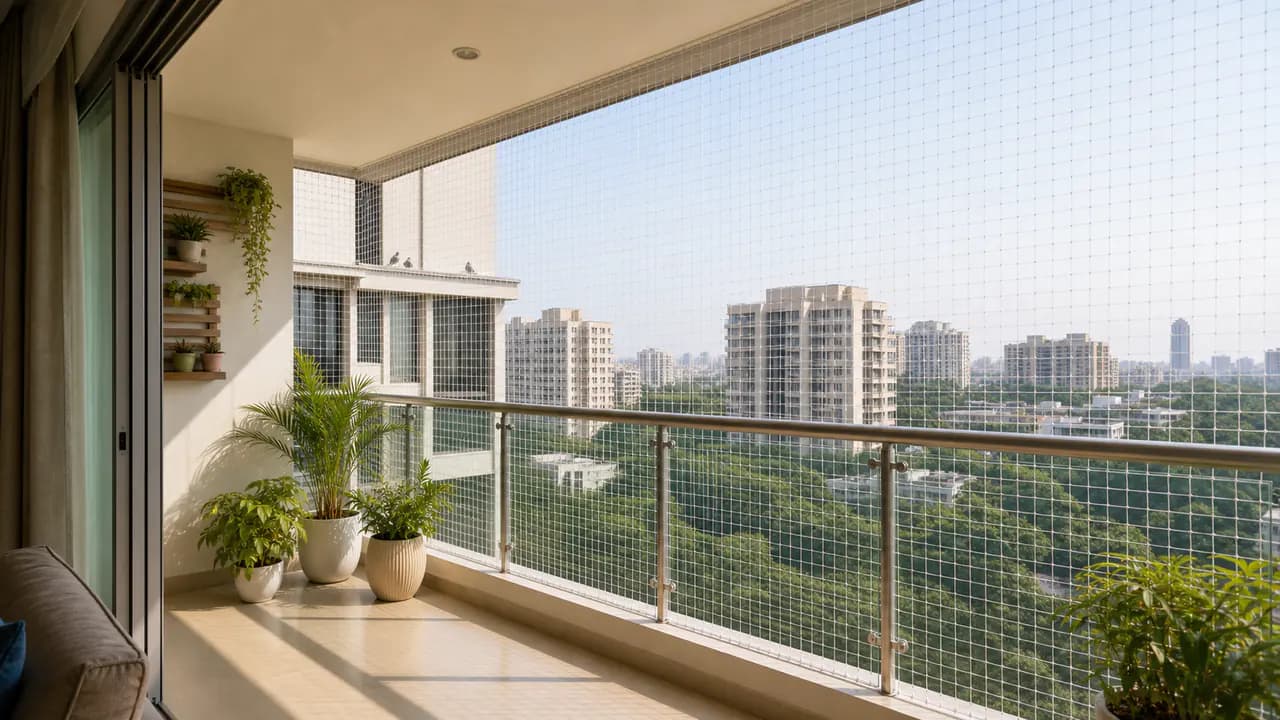
Main service page
Balcony Pigeon Nets help keep apartment balconies, ledges, AC corners, ducts, and utility ...
Explore →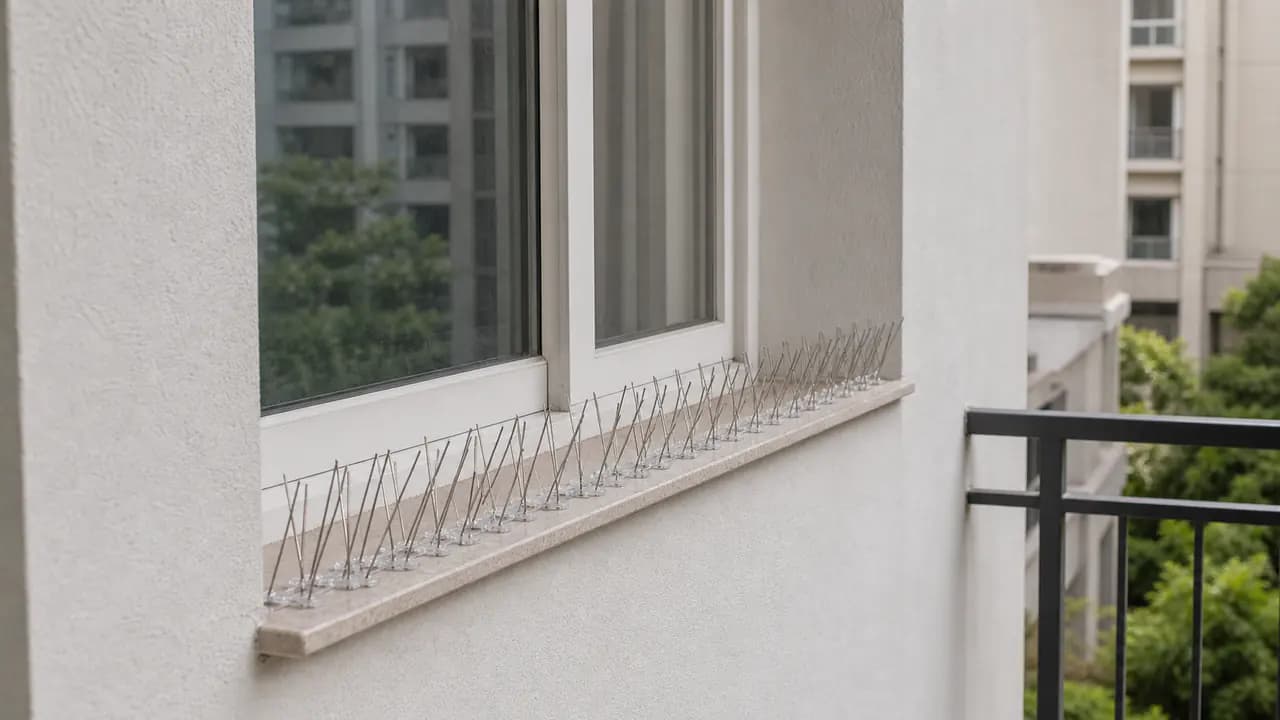
Main service page
Bird spikes installation is a targeted anti-perching service for the narrow lines where pi...
Explore →Ready to compare or book
Get a clearer inspection brief, material guidance, and installation advice before you commit to anti bird nets.
Share the opening size, photos, or site condition and we will help you judge the right next step quickly.