
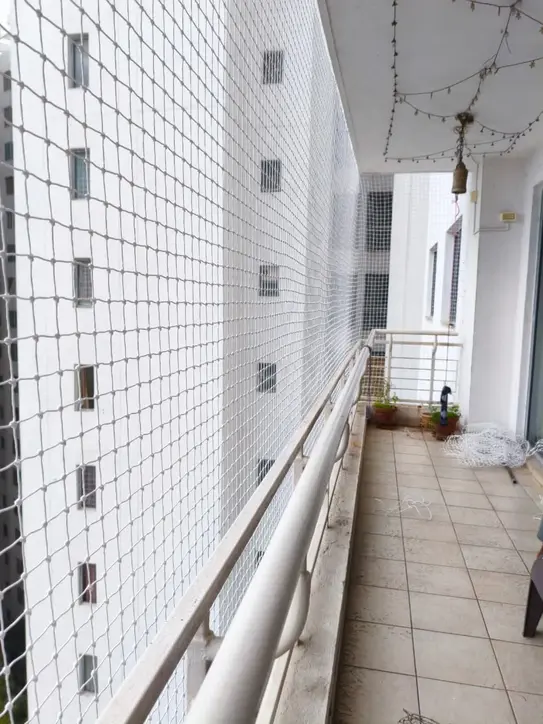
Anti-Bird Nets for Balconies, Windows, Ducts, and Utility Areas
A complete guide to anti-bird nets for different parts of the building, including when they work strong and how they compare with lighter bird-control approaches.
Bird problems inside buildings rarely stay limited to one type of space. In one property, pigeons may enter the balcony. In another, they may perch around a window, move into a duct, or keep nesting inside a utility shaft that is difficult to clean or use comfortably.
Anti-bird nets are useful because they can be adapted to those different openings. The key is not just installing a net, but installing the right type of coverage for the exact access route birds are using.
Which spaces need anti-bird nets the most
The most common zones are balconies, windows, utility areas, ducts, open shafts, and ventilation-adjacent spaces. Each of these creates a slightly different problem. A balcony is usually about direct entry and nesting. A window area may be about repeated perching. A duct may become a hidden cleaning and hygiene issue.
That is why anti-bird netting should be looked at space by space. The same property may need slightly different bird-control treatment in different places.
- Balconies and sit-out spaces
- Windows and low-projection openings
- Ducts, shafts, and service voids
- Utility spaces with repeated bird movement
What makes anti-bird nets better than temporary fixes
Temporary fixes often address the symptom but not the route of entry. Residents may keep cleaning, removing nests, or blocking small sections while birds continue using the same general opening. Anti-bird nets work better when the goal is to secure the actual access zone properly.
That makes them useful not only for hygiene but also for daily comfort. People stop having to manage the bird issue manually every few days and start using the space normally again.
Why installation quality matters so much in bird control
Bird-control systems succeed or fail at the edges. If the fitting leaves side gaps, loose corners, or awkward exposed points, the birds will keep using the opening. That is why careful measurement and closure are essential, especially in ducts and irregular utility zones.
The strong installations feel almost uneventful once they are done. The area looks tidy, the problem reduces, and the homeowner is no longer constantly reacting to the same issue.
How to choose the right anti-bird coverage for your property
Look at where the birds are actually entering, where they rest, and whether the issue is access, perching, or nesting. A balcony may need full pigeon net coverage, while a ledge may need spikes and a utility area may need a tighter anti-bird net approach.
The right answer often comes from combining the correct treatment for each surface, rather than assuming one bird-control product will handle the whole building equally well.
FAQ
Quick answers before you decide
Are anti-bird nets only for balconies?+
No. They are also useful for windows, ducts, shafts, and utility openings where birds repeatedly enter or nest.
Do anti-bird nets help with cleanliness too?+
Yes. By reducing entry and nesting, they help cut down droppings, repeated cleaning, and general space contamination.
Can different parts of one building need different bird-control solutions?+
Yes. That is very common. A balcony may need a net, while a ledge may need spikes and a duct may need tighter coverage.
Related reads
Continue exploring service guides
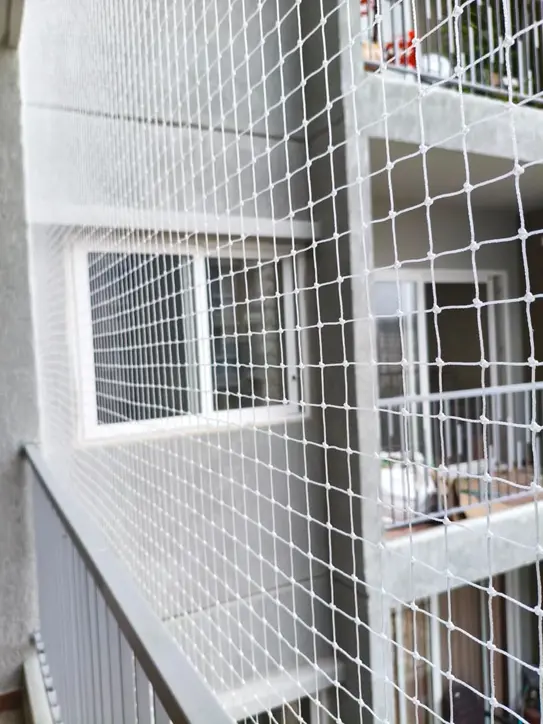
Pigeon Safety Nets vs Bird Spikes: Which Is Better for Real Bird Control?
A clear comparison of pigeon safety nets and bird spikes, including where each works, where each fails, and how to choose the right bird-control strategy.
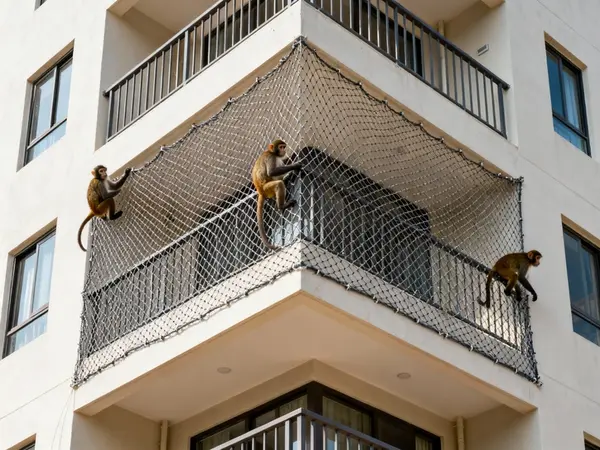
Monkey Safety Nets for Homes Near Green Zones, Open Hill Areas, and Terrace Access Points
A focused guide for homes, villas, and terrace spaces where monkey intrusion creates repeated safety, hygiene, and property-use problems.
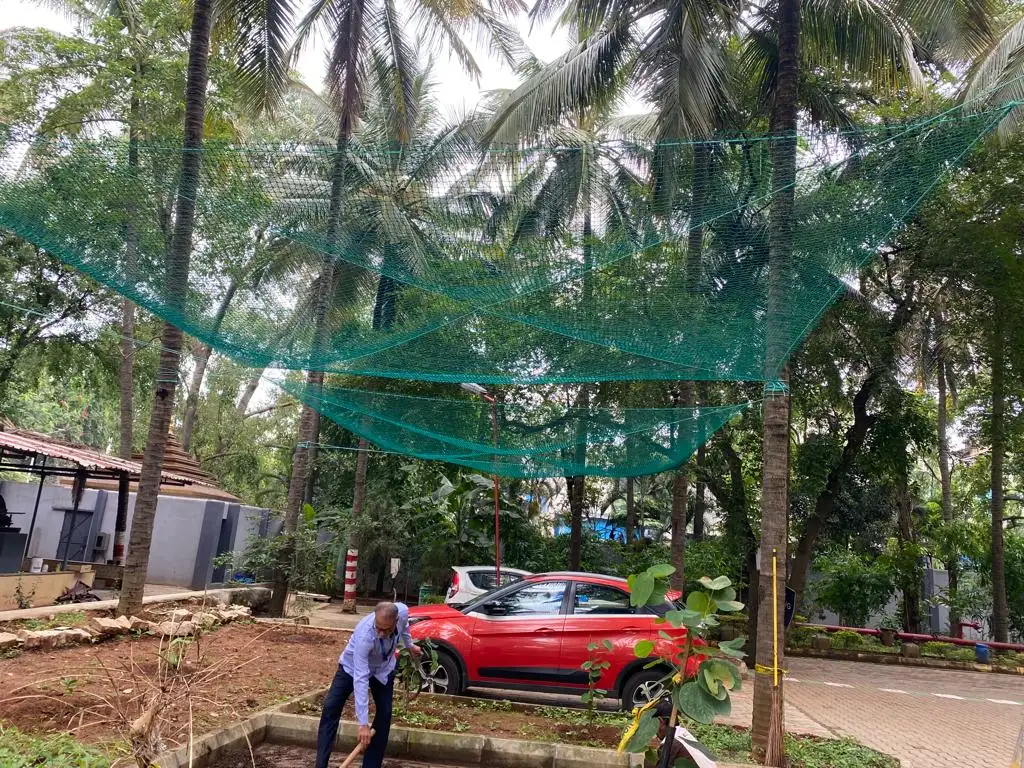
Car Parking and Open Area Safety Nets: When Buildings Need Heavy-Duty Protection
A detailed guide for apartment buildings, parking decks, podium edges, and open structural zones that need stronger protective net systems.