
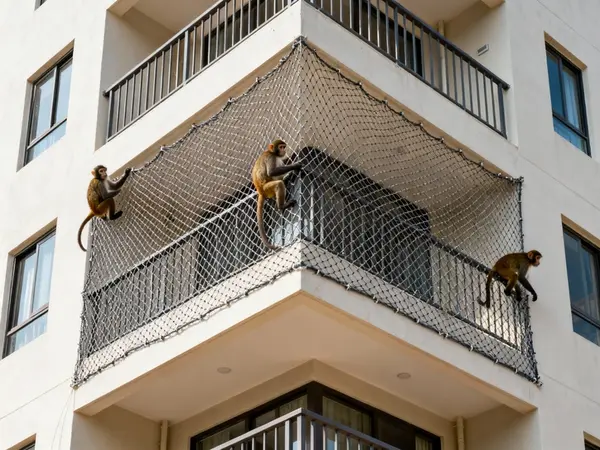
Monkey Safety Nets for Homes Near Green Zones, Open Hill Areas, and Terrace Access Points
Learn when monkey safety nets are useful, how they differ from bird protection systems, and why site-specific fitting matters for homes facing repeated monkey intrusion.
For homes located near hill areas, open green corridors, older residential pockets, or less dense outer-city stretches, monkey intrusion can become a repeated problem. Residents may deal with sudden balcony entry, terrace disturbance, damaged household items, and a general feeling that open spaces are no longer safe to use comfortably.
Monkey safety nets are built for this exact challenge. They are not just a variation of bird nets. They need stronger planning, better closure of vulnerable access points, and more attention to how the animal actually approaches the property.
Why monkey protection is a separate category from bird control
Bird control is usually about blocking nesting, perching, and droppings. Monkey protection is about stopping a more active, forceful kind of intrusion. The risk is not just hygiene. It is sudden entry, damage, aggressive movement, and unsafe access to balconies or terraces.
Because of that, monkey safety planning needs a stronger focus on vulnerable routes, access angles, and the overall coverage strategy. It is less forgiving than light bird-control work.
Where monkey safety nets are usually needed
The most common zones are terraces, utility balconies, top-floor openings, food-storage-adjacent spaces, and open side areas where animals can climb or jump in from compound walls, trees, or nearby structures.
In some homes, the issue is not constant intrusion but sudden repeat incidents. Those situations still deserve a proper solution because one unpredictable event is enough to make the space stressful to use.
- Terraces and rooftop access spaces
- Balconies near trees or compound walls
- Utility areas with food or household storage
- Open side gaps in villas and independent homes
What makes a monkey net installation effective
The installation has to be planned for the actual path of entry. That means identifying how the animal reaches the area, where the weak sides are, and how to close those routes without creating a messy or impractical result.
A rushed installation may leave side gaps, incomplete coverage, or awkward openings that reduce confidence. A stronger setup closes the vulnerable route properly and still keeps the space usable for residents.
How monkey safety nets improve day-to-day comfort
The biggest benefit is not just physical protection. It is reclaiming the balcony, terrace, or utility area for normal use. Residents stop feeling uncertain every time they leave items outside or step into the open space.
That restored comfort is often why people finally choose a proper installation after putting up with the problem for too long. The protection should feel dependable, not temporary.
FAQ
Quick answers before you decide
Are monkey safety nets stronger than bird nets?+
They are usually planned for a different type of intrusion, so the coverage strategy and fitting approach need to be more robust and site-specific.
Where do monkey safety nets help the most?+
They are especially useful in terraces, balconies, and open side areas near trees, walls, hill zones, and green corridors.
Can monkey nets still keep the balcony usable?+
Yes. A properly planned installation should stop intrusion while keeping the space practical for everyday residential use.
Related reads
Continue exploring service guides
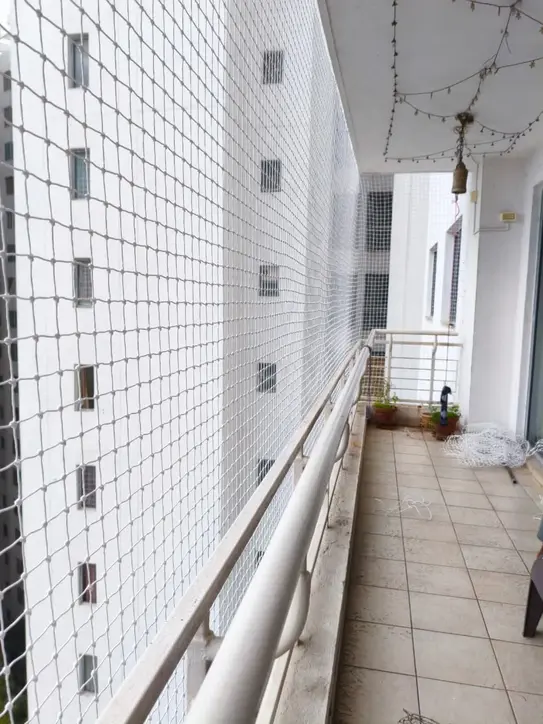
Anti-Bird Nets for Balconies, Windows, Ducts, and Utility Areas
Understand how anti-bird nets work across balconies, windows, ducts, shafts, and utility areas so you can solve bird intrusion with the right coverage plan.
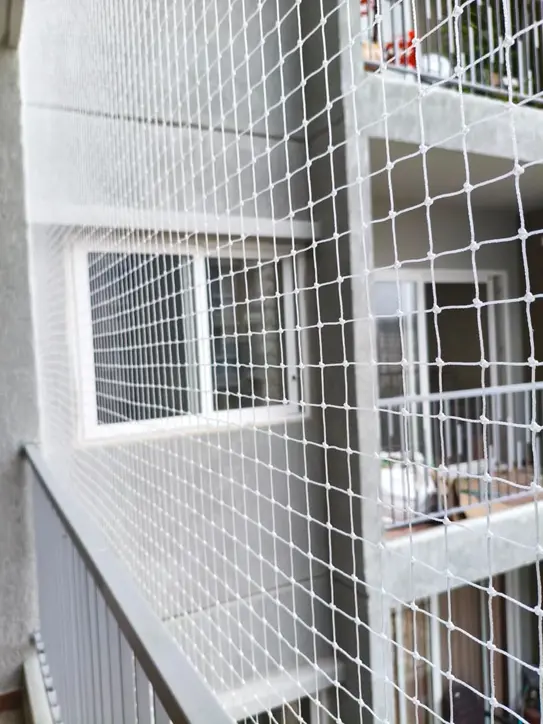
Pigeon Safety Nets vs Bird Spikes: Which Is Better for Real Bird Control?
A clear comparison of pigeon safety nets and bird spikes, including where each works, where each fails, and how to choose the right bird-control strategy.
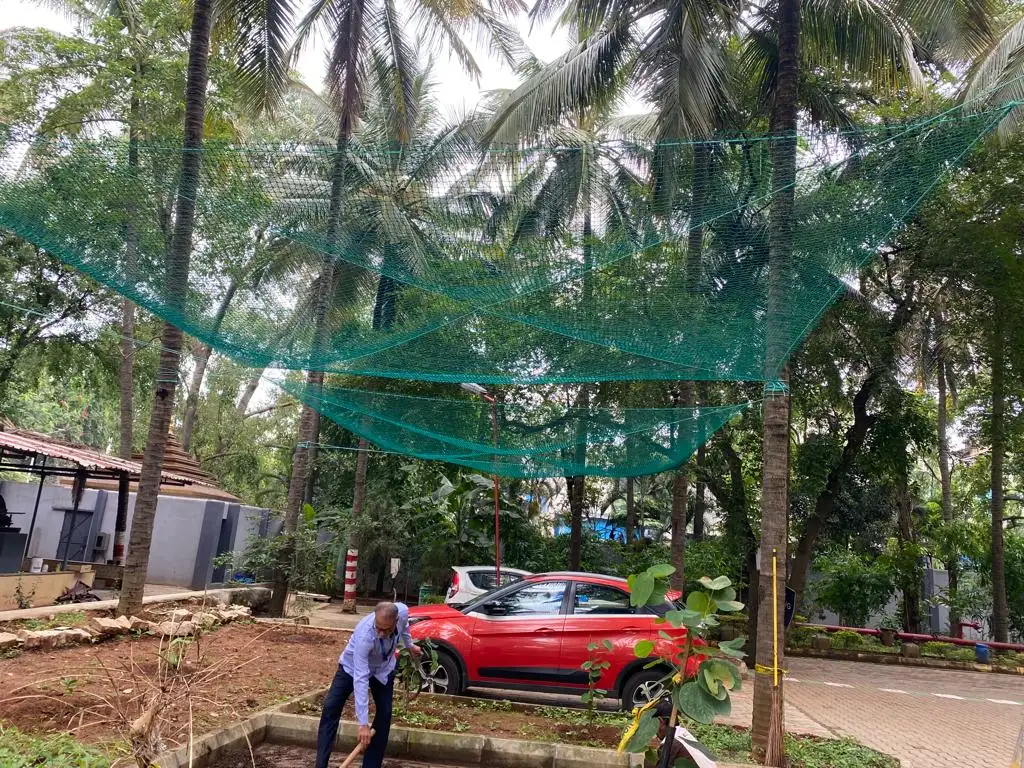
Car Parking and Open Area Safety Nets: When Buildings Need Heavy-Duty Protection
A detailed guide for apartment buildings, parking decks, podium edges, and open structural zones that need stronger protective net systems.