
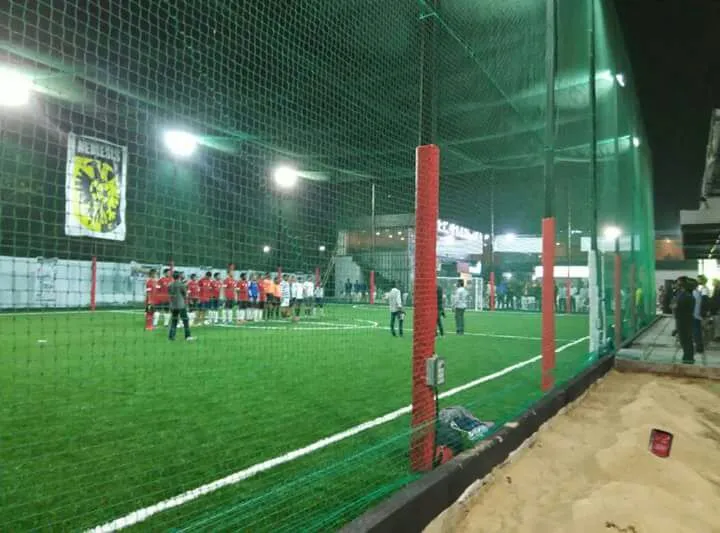
Sports Nets and Cricket Practice Nets: How to Choose the Right Setup
A detailed guide to sports net planning for cricket practice, ball-stop systems, schools, clubs, apartment communities, and multipurpose play zones.
Sports nets are often treated as a simple enclosure product, but good sports netting is really about controlling movement, protecting surroundings, and making practice more efficient. The right setup can improve training quality as much as it improves safety.
This is especially true with cricket practice nets. They are not just barriers for balls. They shape how a player trains, how a coach manages the space, and how a school, academy, or residential community keeps the play zone contained.
What changes between sports nets and cricket practice nets
A multipurpose sports net is usually designed for containment and perimeter safety. A cricket practice net has a more focused role. It needs to support repeated ball impact, practice movement, directional play, and safe training within a controlled lane.
That means a practice net layout should consider lane length, side height, end stopping strength, user frequency, and who is training there. A school child and an advanced player do not create the same demands inside the net.
How to choose the right layout for your space
The first question is not which net to buy. It is what the space needs to do. A school may need a flexible setup that supports many users. An academy may want repeat training lanes. An apartment community may simply need a ball-stop solution to keep play safer for surrounding buildings and parked vehicles.
That is why layout planning matters so much. The same product category can behave very differently depending on whether the goal is coaching, containment, multi-sport use, or protective screening.
- Practice lane setups for cricket training
- Boundary and ball-stop nets for apartment communities
- School play-zone nets for safe multipurpose use
- Club and academy nets for repeat training sessions
Where quality makes the biggest difference
In sports netting, material quality matters, but structure planning matters just as much. A strong mesh is only useful when the installation supports the way the ball will actually hit the space. Loose hanging, weak endings, or inconsistent alignment can reduce both safety and usability.
For cricket practice nets in particular, consistency is part of the experience. The net should not distract the player, crowd the lane awkwardly, or fail to contain the ball properly after repeated use.
Why the right sports net setup is worth it
A well-planned sports net reduces stray-ball problems, protects nearby people and property, and makes the play area feel professionally defined. That helps coaches, managers, and families feel more comfortable with how the space is being used.
It also improves the value of the area itself. Schools use it better, clubs train more efficiently, and apartment communities create safer recreation zones without constantly worrying about damage outside the play space.
FAQ
Quick answers before you decide
Are cricket practice nets different from normal sports nets?+
Yes. Cricket practice nets need planning around training lanes, repeat ball impact, and controlled play, while many sports nets focus more on general containment.
Can sports nets be installed in apartment communities?+
Yes. They are useful for ball-stop protection, safer play zones, and community recreation areas.
What is the most important part of sports net installation?+
The layout. The net should match the actual use case, available space, and impact pattern, not just the product label.
Related reads
Continue exploring service guides
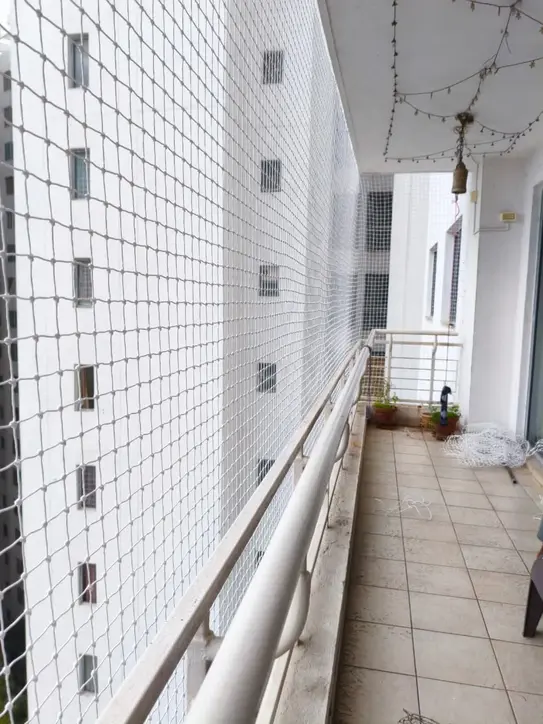
Anti-Bird Nets for Balconies, Windows, Ducts, and Utility Areas
Understand how anti-bird nets work across balconies, windows, ducts, shafts, and utility areas so you can solve bird intrusion with the right coverage plan.
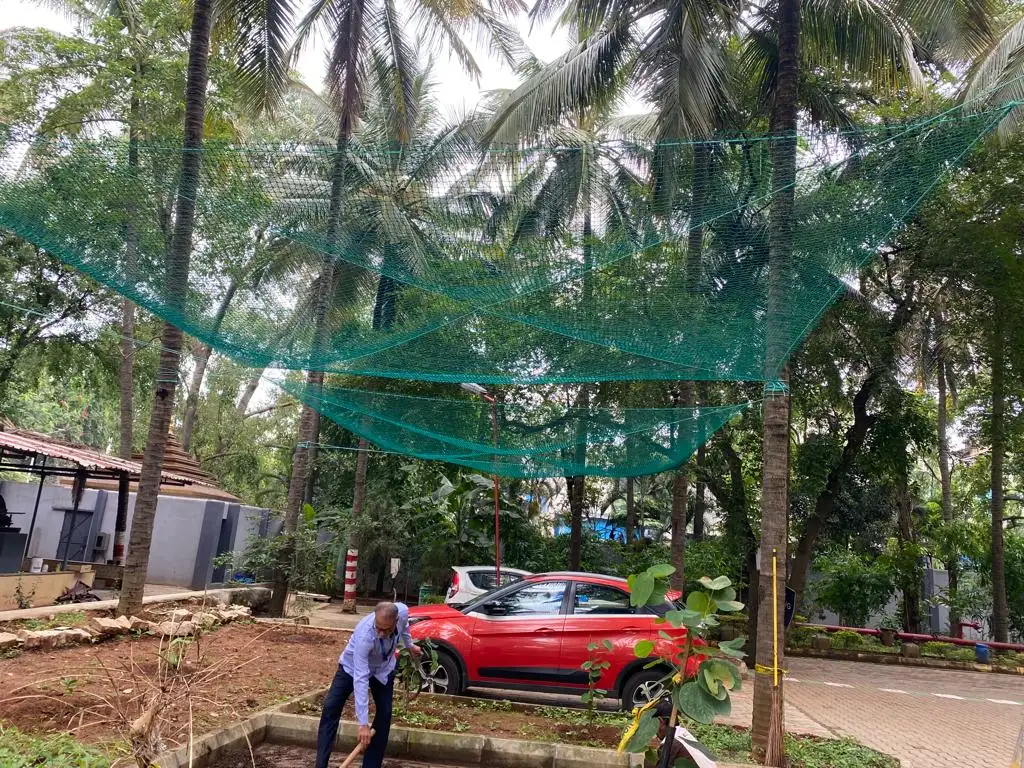
Car Parking and Open Area Safety Nets: When Buildings Need Heavy-Duty Protection
A detailed guide for apartment buildings, parking decks, podium edges, and open structural zones that need stronger protective net systems.
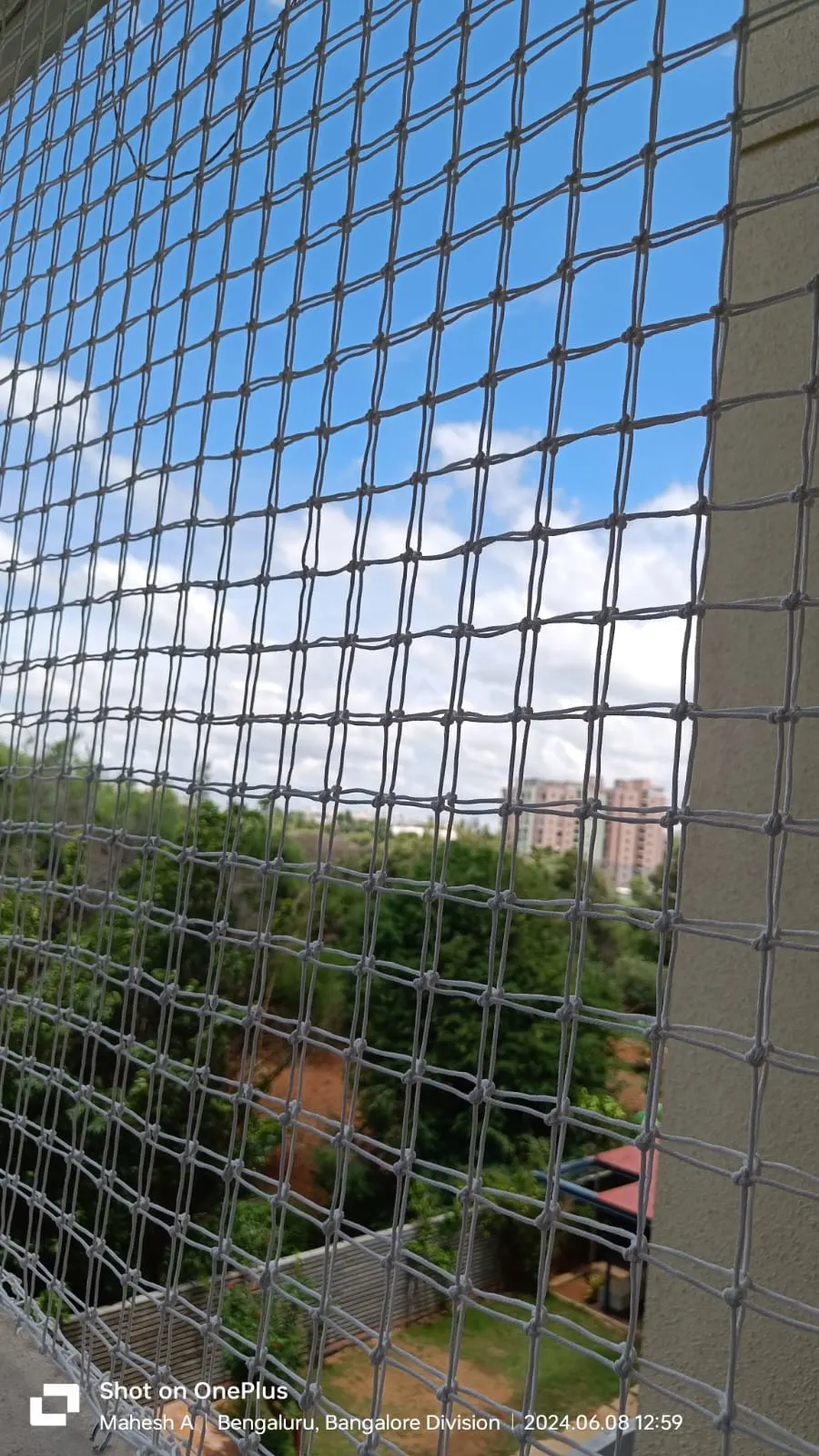
Child Safety Nets for Home Balconies, Stairs, Windows, and Utility Spaces
An A-to-Z guide for parents who want to make balconies, staircases, windows, and open spaces safer without making the home feel closed in.