
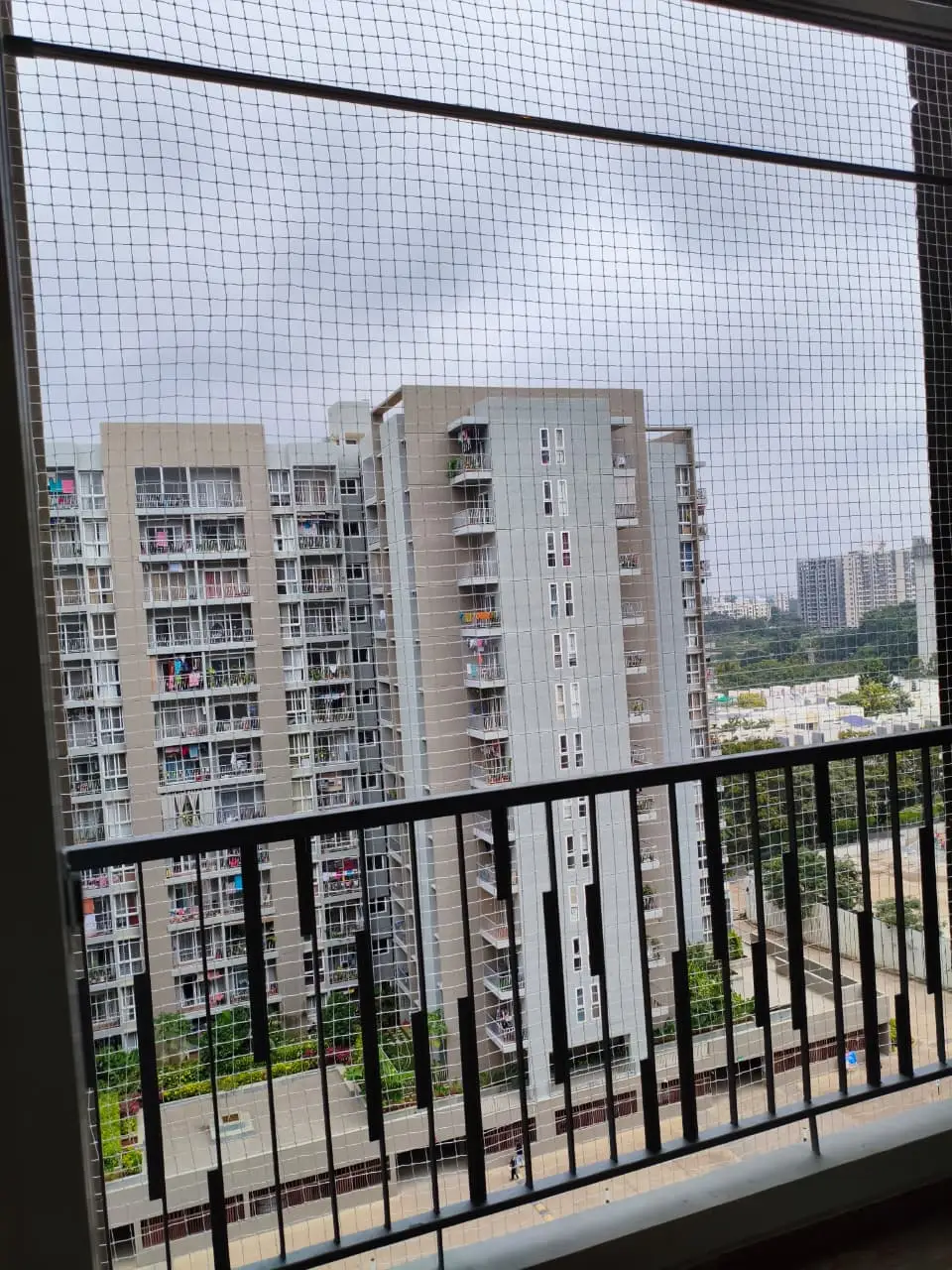
Complete Guide to Balcony Safety Nets for Apartments and High-Rise Homes
Learn how balcony safety nets work, where they help most, what materials matter, and why they remain one of the most practical safety upgrades for apartments and high-rise homes.
Balconies are one of the most used spaces in modern apartments, but they are also one of the easiest places to overlook from a safety point of view. Families often want to keep the openness of the balcony while reducing the risk of falls, unsafe leaning, or accidental slips near open edges.
That is exactly why balcony safety nets remain one of the most practical safety upgrades for homes. They protect the exposed edge of the balcony, help families feel more secure, and still allow light, ventilation, and day-to-day use of the space.
Why balcony safety nets are still the most practical option
Many homeowners compare balcony safety nets with grills, acrylic covers, or temporary barriers. The reason nets continue to stay popular is simple: they solve the safety issue without making the balcony feel sealed off. That balance matters in apartments where people want air, openness, and easy maintenance.
A well-installed balcony net is also flexible from a design point of view. It can be planned around compact utility balconies, wide sit-out balconies, tower apartments, villas, and even unusual corner layouts. This makes it easier to adapt than rigid options that demand heavy structural changes.
- Keeps balconies safer without blocking light
- Works for children, pets, and elder-friendly homes
- Fits apartment, villa, and utility balcony layouts
- Usually installs faster than heavier structural alternatives
Where balcony safety nets help the most
The most common need comes from families with young children, pets, or elderly parents. Open railings, wide gaps, and active balcony use increase the need for extra protection, especially in higher floors. Balconies used for drying clothes, storing plants, or spending evening family time need even more reliable edge safety.
They are also useful for rental homes and investment apartments because the safety improvement is immediate and visible. Property owners often prefer upgrades that do not involve a major redesign, and balcony safety nets give them a fast, practical answer.
- High-rise apartment balconies
- Utility balconies with frequent daily use
- Homes with children and pets
- Rental and investor-owned apartments
What separates a reliable balcony net from a poor one
The material alone does not decide the quality of the final result. A balcony safety net performs well only when the fixing points, edge tension, spacing, drilling accuracy, and finishing are all handled properly. Loose corners and rushed fitting create the exact gaps people are trying to avoid.
Professional installation also improves how the balcony looks after the work is complete. The strong projects feel tidy and intentional. The net should sit correctly, the structure should not look overworked, and the balcony should remain usable rather than awkward after installation.
Low-cost fitting
May use weaker anchors, inconsistent spacing, and rushed finishing that affects both safety and appearance.
Professional fitting
Focuses on site measurement, edge accuracy, durable anchoring, and a cleaner final appearance.
How to choose the right balcony safety solution
If your main priority is direct edge protection with quick installation, balcony safety nets are usually the strong place to start. If visual openness is also a major factor, the net design and finish should be selected carefully so it remains subtle from inside the home. For some premium homes, invisible grills may also enter the discussion, but they solve a slightly different requirement.
The right choice comes down to who uses the balcony, how often it is used, how exposed the edges are, and whether the goal is pure safety, bird prevention, a cleaner look, or a combination of all three. A good installer should help align the solution to the real use case rather than pushing a one-size-fits-all product.
FAQ
Quick answers before you decide
Are balcony safety nets good for apartment balconies?+
Yes. They are one of the most practical solutions for apartment balconies because they improve safety without blocking airflow, light, or day-to-day balcony use.
Do balcony safety nets make the balcony look closed?+
A neatly installed net should stay visually light. The goal is to add protection while keeping the balcony comfortable and open-looking.
Who needs balcony safety nets the most?+
They are especially useful for homes with children, pets, elderly family members, and balconies that are used often for utility work or seating.
Related reads
Continue exploring service guides
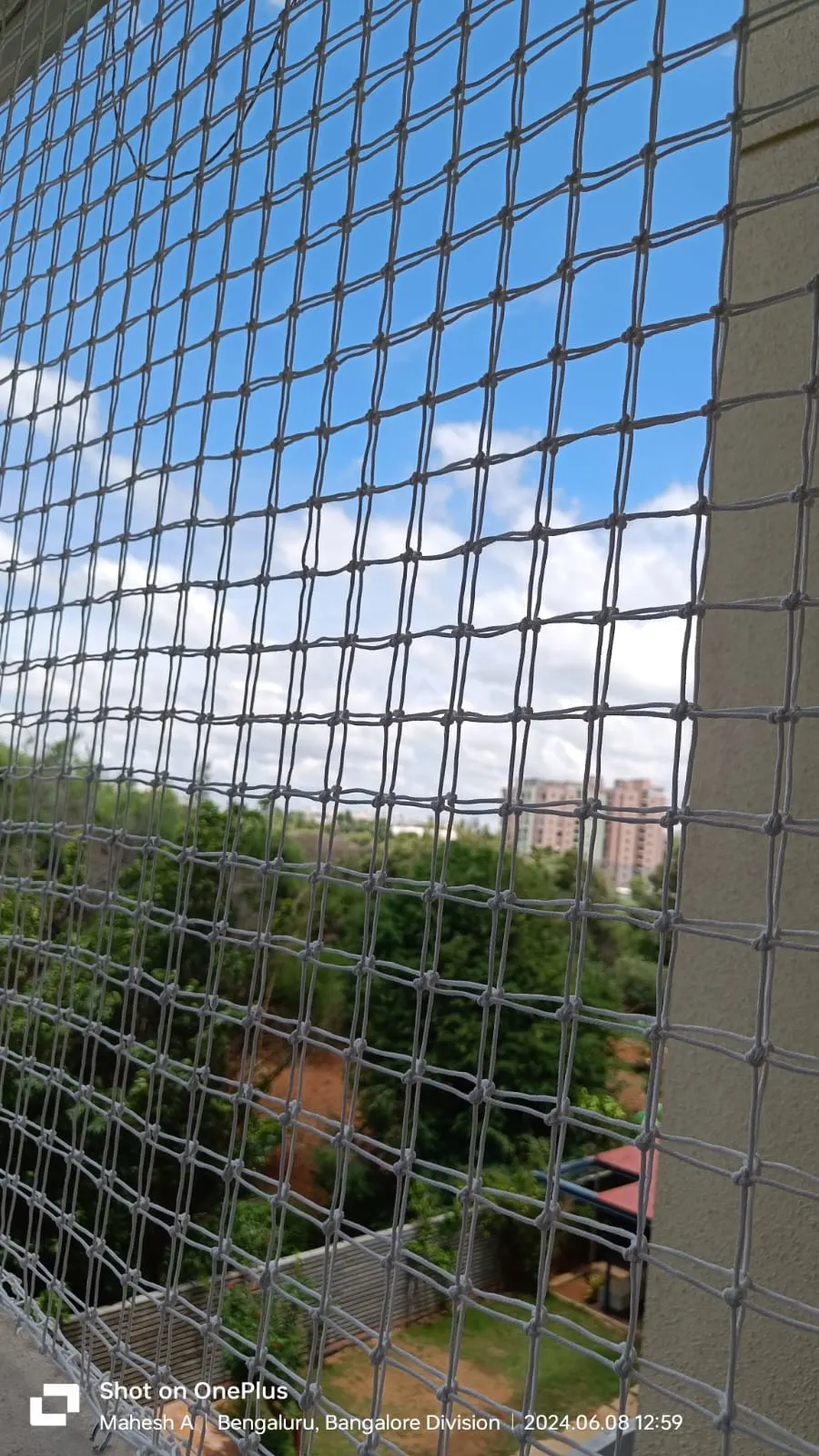
Child Safety Nets for Home Balconies, Stairs, Windows, and Utility Spaces
An A-to-Z guide for parents who want to make balconies, staircases, windows, and open spaces safer without making the home feel closed in.
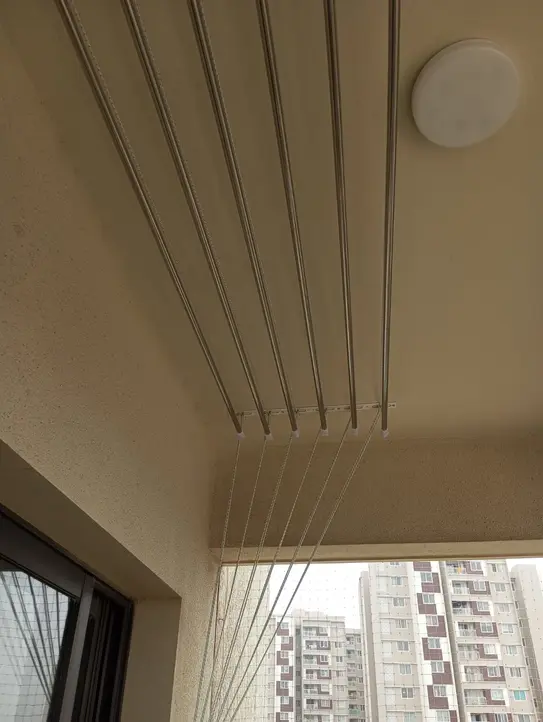
Cloth Hangers and Balcony Utility Planning After Safety Installation
A practical guide to cloth hangers, utility planning, and making small balconies work better after safety upgrades.
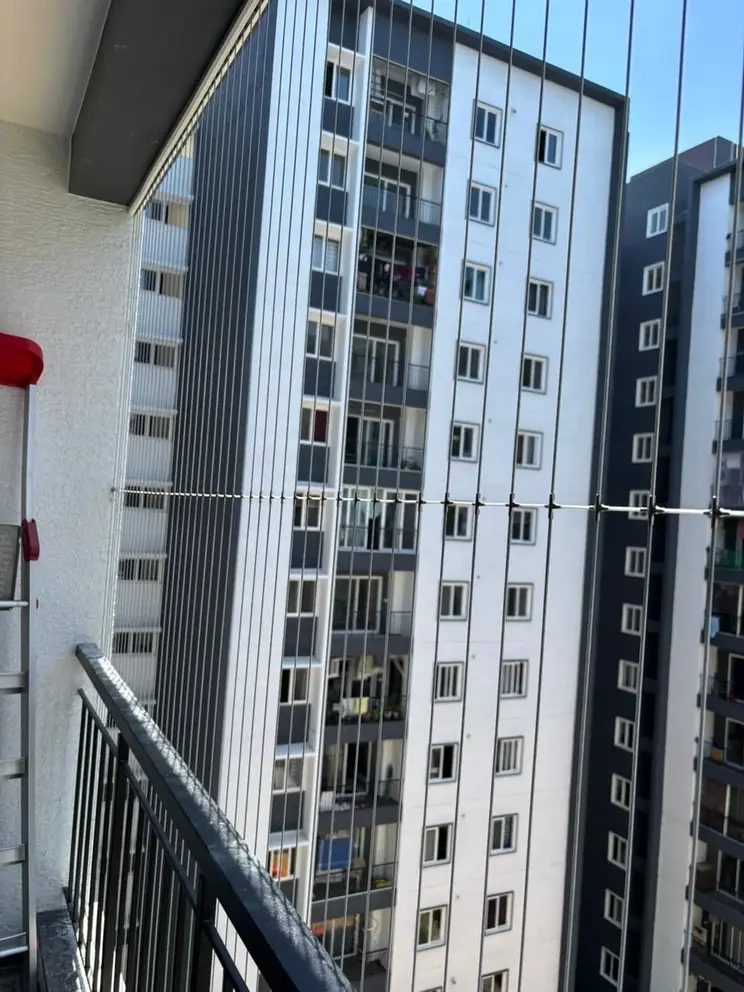
Invisible Grills vs Balcony Safety Nets: Which One Should You Choose?
A practical comparison for homeowners deciding between invisible grills and balcony safety nets for apartments, villas, and modern balconies.