Best fit
Where this page usually fits best
Factories, warehouses, and sheds with large openings or active work zones
Main service page
Start with the gallery, then use the sections below to compare fit, material, pricing factors, and booking questions before you decide.
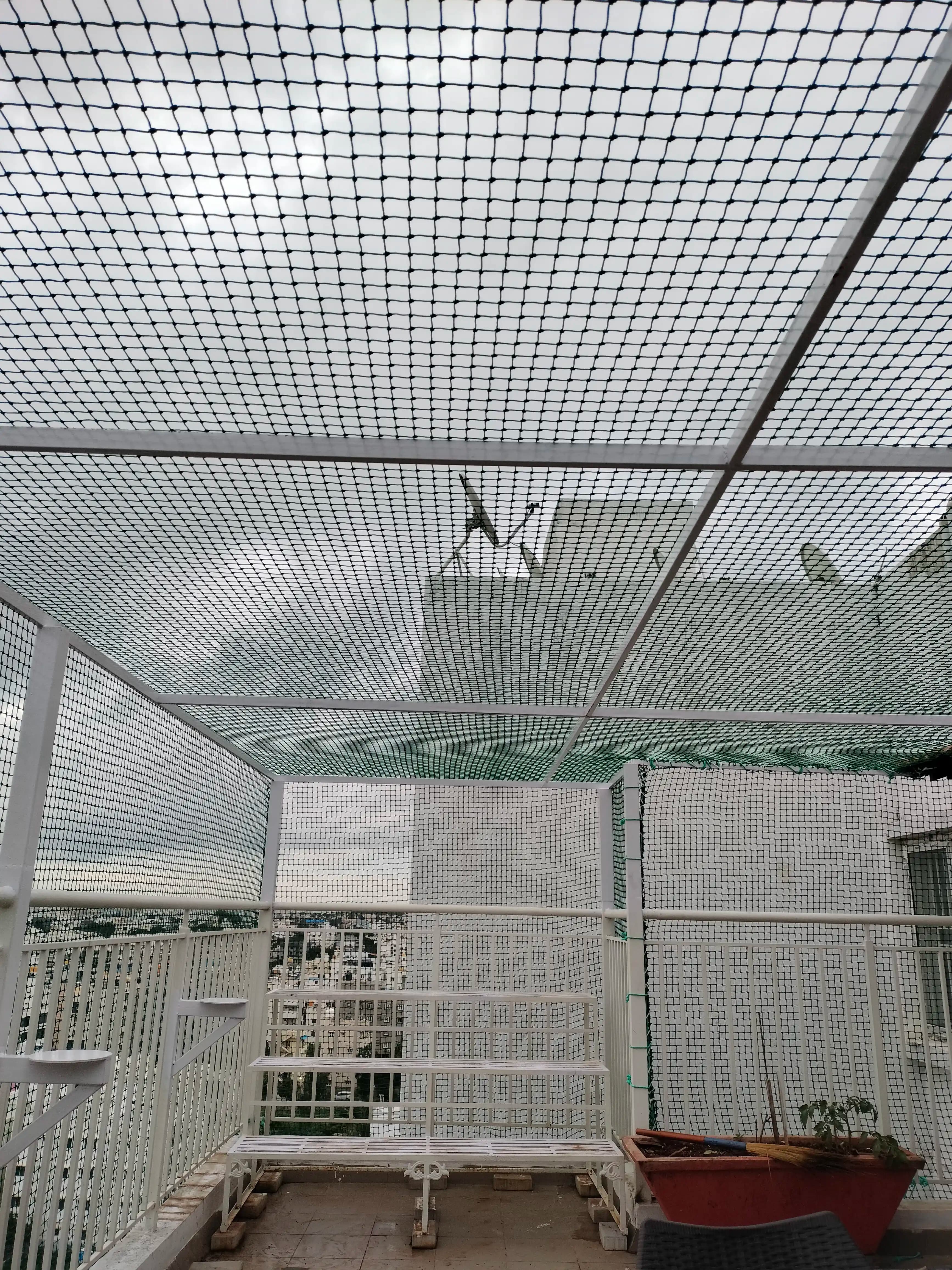
Quick decision view
Use this quick snapshot to judge fit, estimate logic, and long-term practicality before reading the full page.
Why this helps
These are the four signals most people scan first before they decide whether to stay on this page, compare another service, or move straight to a quote.
Best fit
Factories, warehouses, and sheds with large openings or active work zones
Main need
Dust, debris, or open-edge exposure across work zones
Estimate factors
The estimate usually changes based on total coverage area and wind exposure.
Upkeep
Building Safety Nets should be reviewed after harsh weather, active project movement, or any change in the working zone. Large-span installations need scheduled checks for anchor load, abrasion points, and debris accumulation.
Buyer guide
This section helps you decide whether this is the right page to start from, what to compare next, and which signals separate a useful provider page from generic content.
Strong fit
Factories, warehouses, and sheds with large openings or active work zones
Compare first
If the job is a small residential opening, building safety nets may be heavier than necessary and a balcony, window, or family-safety page will usually fit better.
Ask first
Does building safety nets match the exact opening or only a similar-looking one?
Good proof
Opening-specific examples instead of generic project claims
Fast shortlist checklist
A quick scan of these points usually tells people whether this page fits well, whether a nearby page may suit better, or whether it is time to request a quote.
Service highlights
Highlight 1
Durable HDPE mesh for safety.
Highlight 2
Professional team for secure setup.
Highlight 3
Affordable solution for construction sites.
Safety net service details
Our Building Safety Nets provide reliable fall protection for construction sites and high-rise buildings. Designed with strong, weather-resistant materials to ensure maximum safety.
People usually compare building safety nets when they need a solution that can manage debris, dust, open-edge safety, and large-span protection across active sites. The right specification depends on actual measurements, exposure to sun and rain, edge condition, and how the area is used every day.
This page helps explain where the solution fits, what affects the installation brief, what can change the estimate, and how it compares with nearby alternatives.
Safety net service details
Most users arrive here because they need a cleaner opening, safer everyday use, better material clarity, or a finish that still feels right after installation. These are the practical issues this service is meant to solve.
Why choose us
Benefit 1
10+ Years of Construction Safety Experience
Benefit 2
High-Grade UV Coated Nets
Benefit 3
Certified Installation Experts
Benefit 4
Quick Deployment Anywhere
Benefit 5
Custom Sizes Available
Benefit 6
Post-install support guidance
Features
Safety net service details
Building Safety Nets is usually chosen after the user has identified the exact opening, the daily risk, and the maintenance burden they want to reduce. The best fit depends on how the space is used every day, not just the product name.
For residential and commercial users, the strongest shortlist comes from understanding where the service fits naturally and what makes the installation worth doing properly the first time.
Safety net service details
People comparing providers usually want to know whether the finish will look clean, whether the material is suitable for heat, rain, wind, or corrosion, and whether the installation can be planned without unnecessary wall damage.
Building Safety Nets is usually compared with general site netting, but the real decision depends on the job environment. Industrial spans, terrace edges, parking decks, and dust-control applications all need different mesh behavior, fixing methods, and safety planning.
Safety net service details
There is no single fixed rate that applies to every project because the final estimate depends on access, material, edge condition, and the exact protection brief. A useful estimate should explain that logic clearly.
That clarity helps users compare options more intelligently and makes it easier to understand what is actually included in the installation scope.
Safety net service details
The right choice usually comes from matching the service to the exact opening, usage pattern, finish expectation, and maintenance comfort level rather than choosing the first similar-looking option.
Building Safety Nets should be compared against nearby variants by checking what changes in material, fit, access, and everyday use, because not every closely related service solves the same problem equally well.
Safety net installation process
Professional installation starts with understanding the opening, the daily use of that space, and the right fixing method for the building surface.
Step 1
The team studies the opening, nearby edges, access condition, and the safety or bird-control issue that has to be solved.
Step 2
Measurements are taken for width, height, corners, and possible anchor points so the installation fits the actual site instead of a generic size estimate.
Step 3
The correct mesh, rope, border, and accessories are selected and cut according to the site requirement, expected visibility, and load condition.
Step 4
Hooks, clamps, or approved fixing hardware are installed in position, and the panel is aligned without leaving weak corners or loose spans.
Step 5
The installer tightens the panel, secures edges, trims excess material, and checks that the net sits cleanly without disturbing airflow or normal use.
Step 6
A final inspection confirms fit, finishing, and access, and the customer is guided on cleaning, warranty scope, and future service support.
Safety net service details
Building Safety Nets should be reviewed after harsh weather, active project movement, or any change in the working zone. Large-span installations need scheduled checks for anchor load, abrasion points, and debris accumulation.
A good maintenance plan keeps the net functional for safety and helps the site avoid last-minute repairs when access is difficult.
FAQs
2–4 hours depending on size.
Yes, tailor-made nets available.
UV and corrosion resistant.
Related services
If this page is close but not exact, these are the next service pages worth comparing before you request a quote.
Main service page
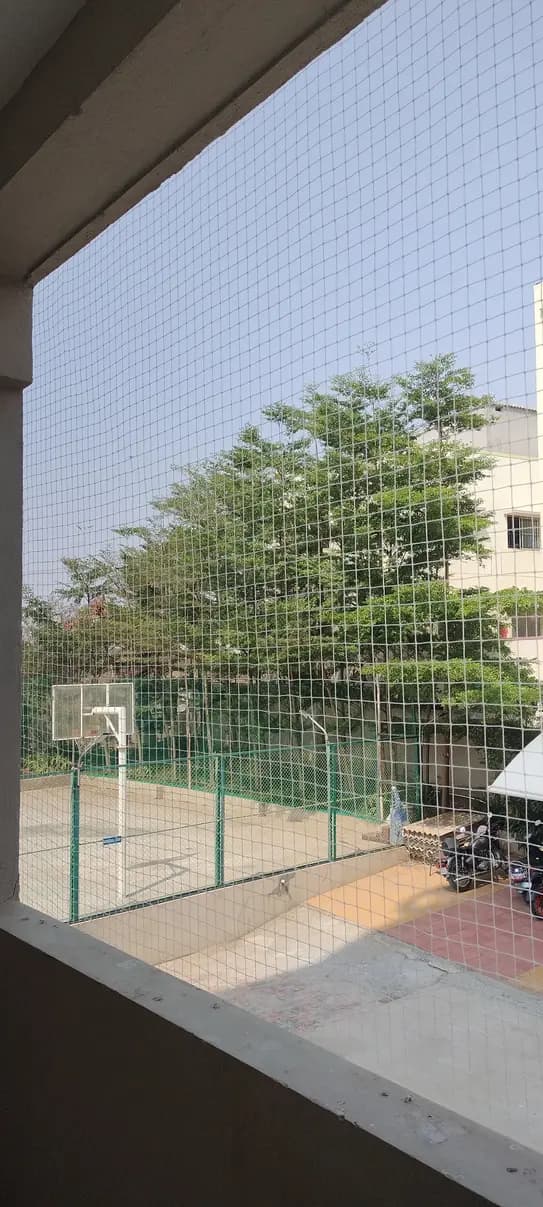
Our balcony pigeon nets provide a strong, safe, and long-lasting solution for pigeon-heavy...
Explore →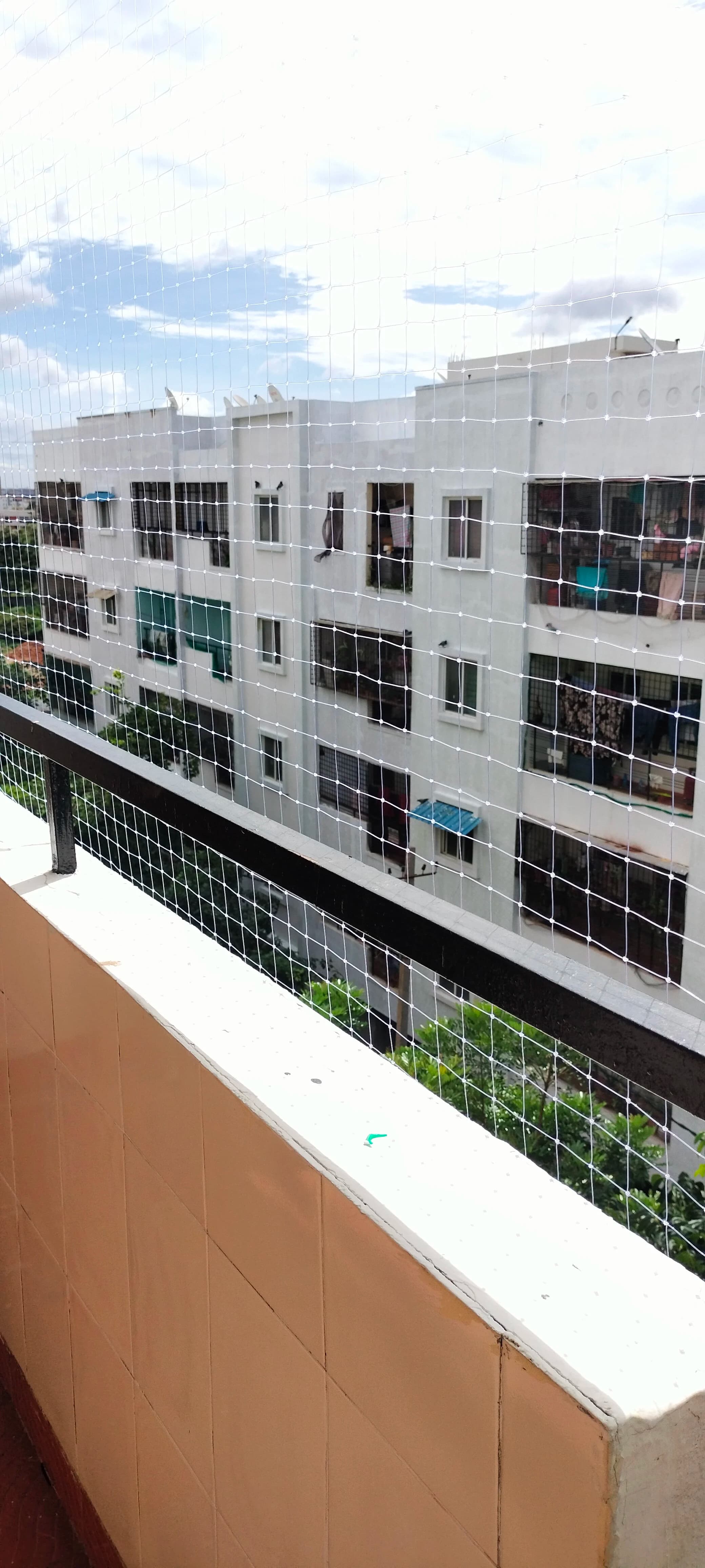
Main service page
Invisible Bird Nets are designed to protect balconies and windows without affecting your v...
Explore →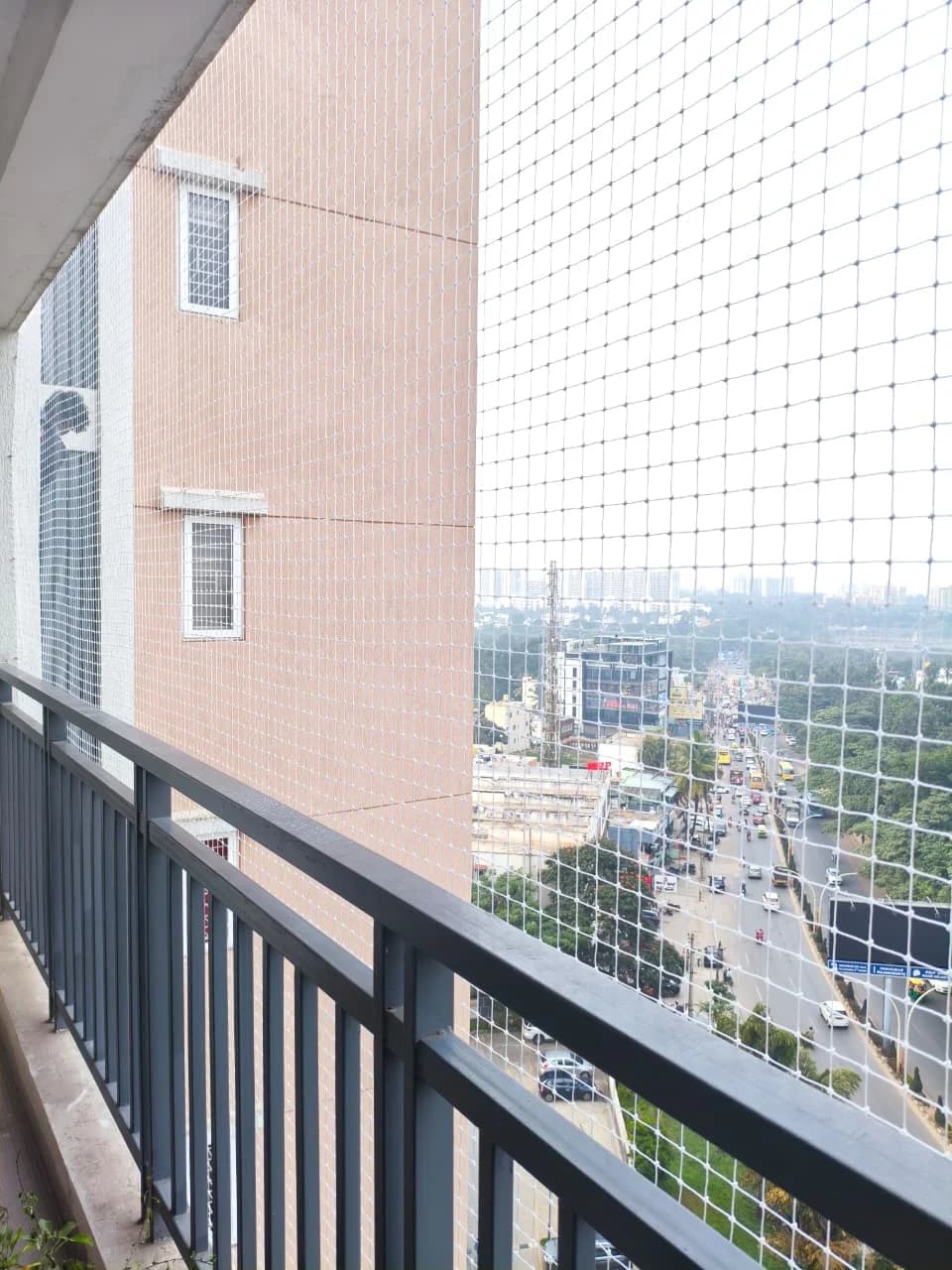
Main service page
HDPE Pigeon Nets are strong, chemical-resistant nets made from high-density polyethylene. ...
Explore →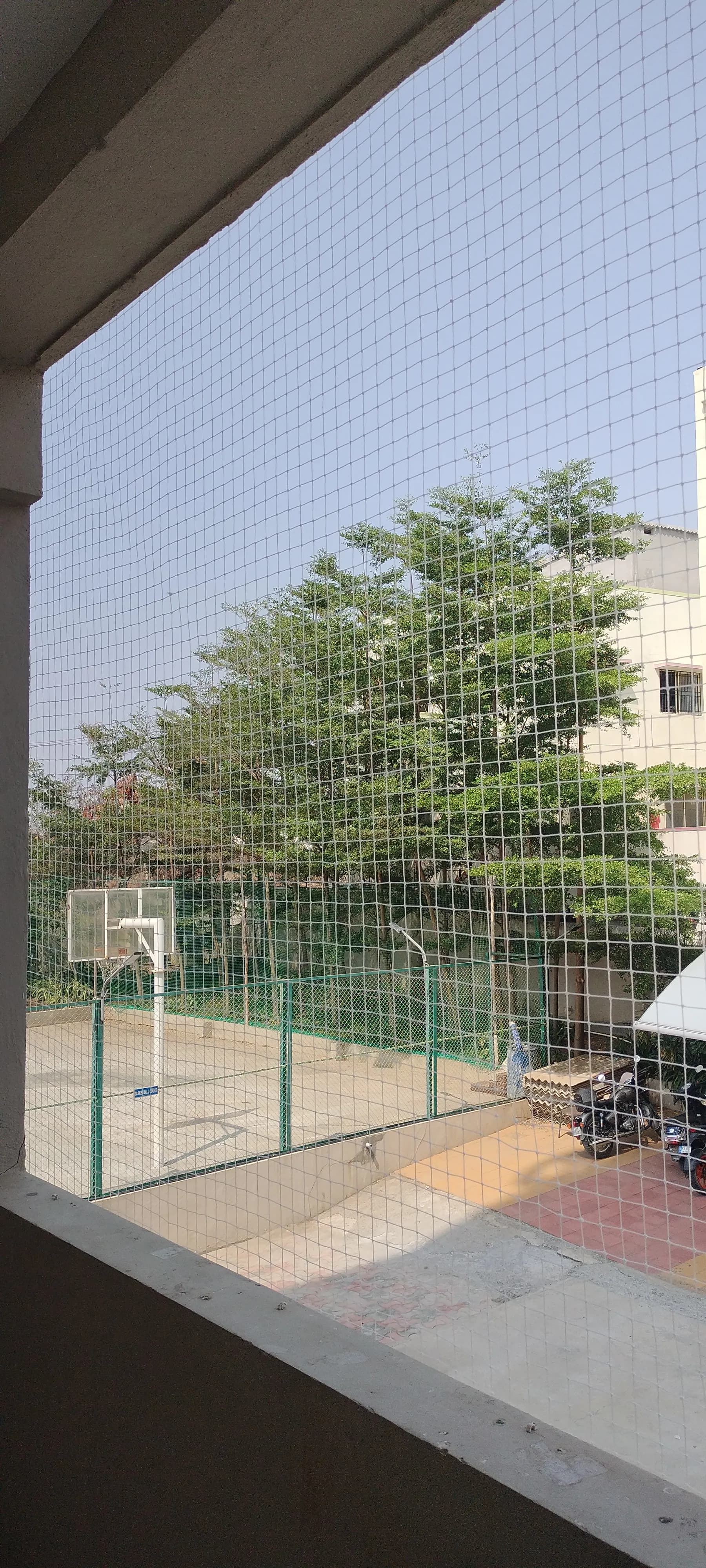
Main service page
Anti Bird Nets are planned for broader bird-entry control across balconies, windows, ducts...
Explore →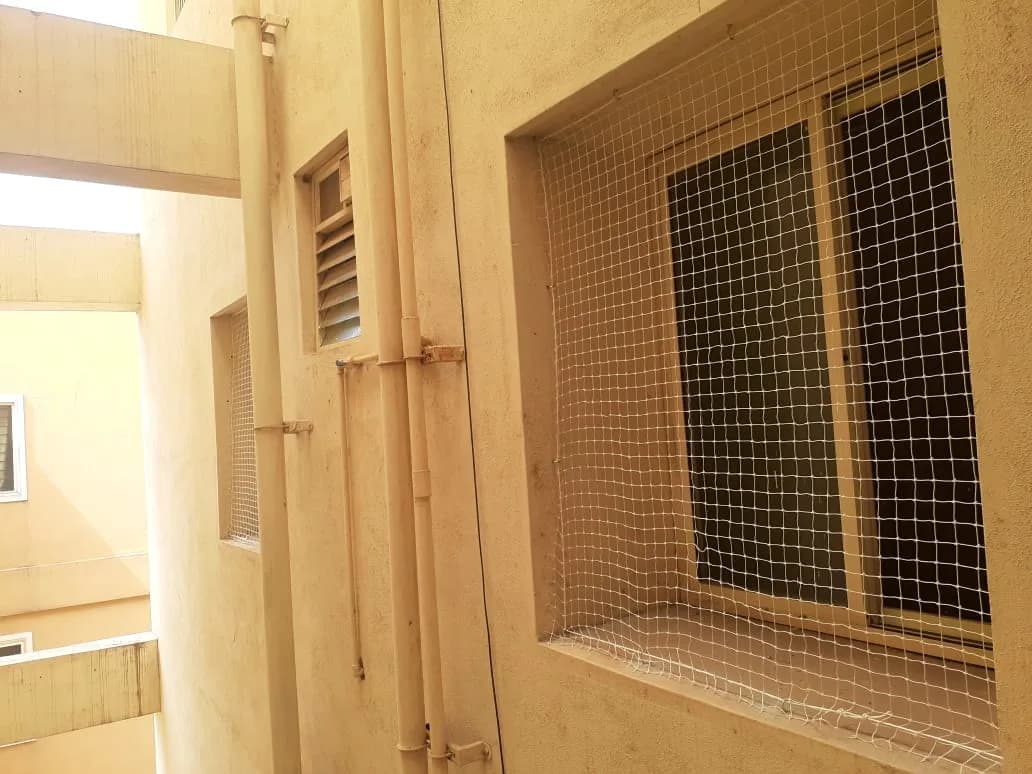
Main service page
Anti-Bird Nets for Windows prevent birds from entering your home while allowing fresh air ...
Explore →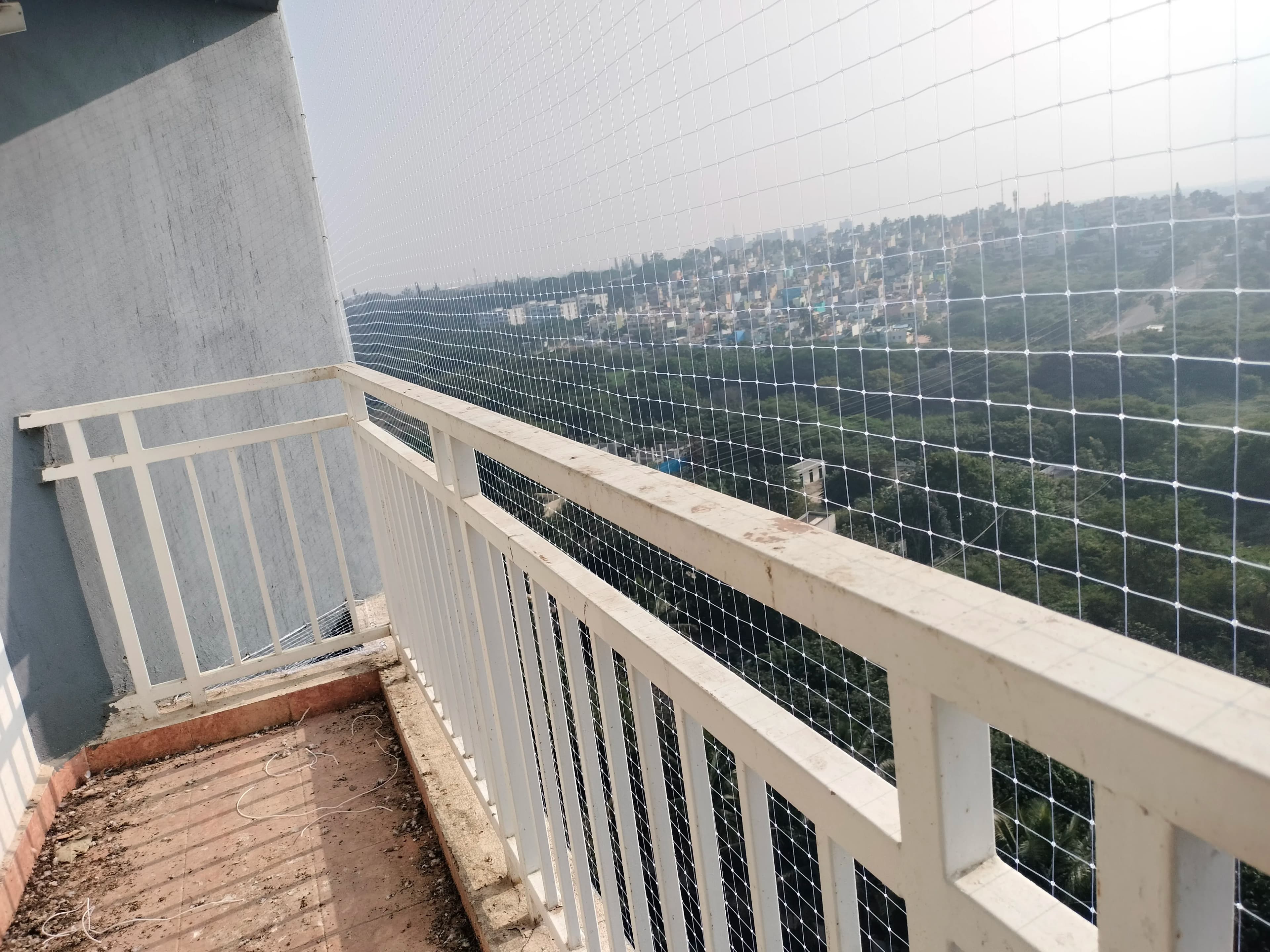
Main service page
Industrial Bird Nets are heavy-duty nets designed for factories, warehouses, production un...
Explore →Ready to compare or book
Get a clearer inspection brief, material guidance, and installation advice before you commit to building safety nets.
Share the opening size, photos, or site condition and we will help you judge the right next step quickly.