
Best fit
Where this page usually fits well
Schools, academies, and club training areas
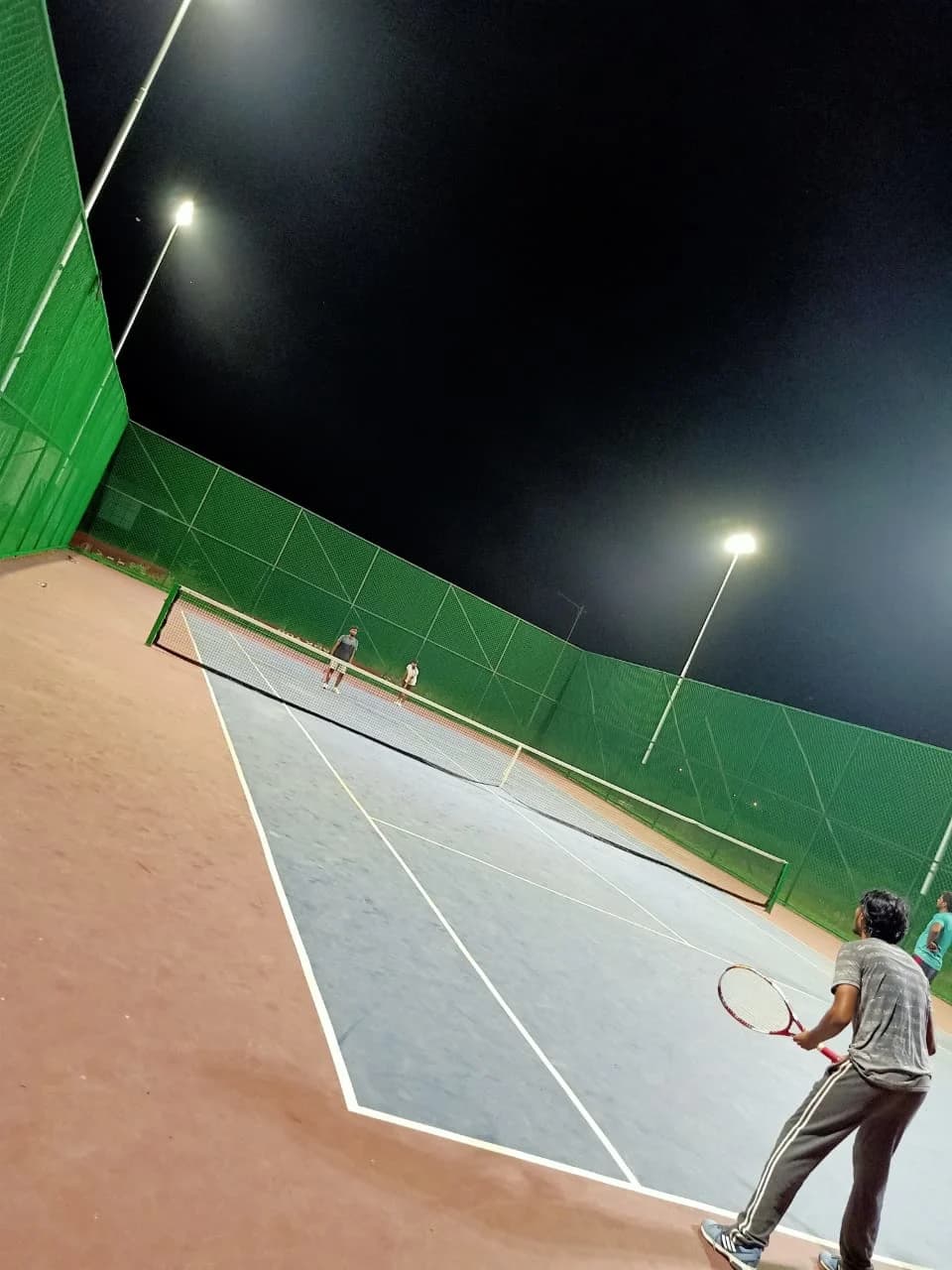
Service Details
Eversafe Safety Nets offers well-built Badminton Practice Nets suitable for schools, sports academies, and indoor courts. Designed for durability, correct net height, and tournament-level performance.
Residential-first planning
Quality-first installation
Site-aware planning
Suggested next steps
This page is useful for understanding details inside sports nets. The main overview and city pages below help when visitors want a broader view or city-based information.
City and society pages
These routes connect this service to pages with city fit, apartment context, and stronger booking intent.
Bangalore
Main city service page
Hyderabad
Main city service page
Chennai
Main city service page
Coimbatore
Main city service page
Visakhapatnam
Main city service page
Vijayawada
Main city service page
At a Glance
Use this quick snapshot to judge fit, estimate logic, and long-term practicality before reading the full page.
Best fit
Schools, academies, and club training areas
Main need
Balls escaping practice zones and disrupting nearby activity
Estimate factors
The estimate usually changes based on court or ground dimensions and net height.
Upkeep
Badminton Practice Nets lasts longer when tension is checked during routine facility maintenance, especially after heavy impact, monsoon exposure, or repeated daily training.
Eversafe Safety Nets offers well-built Badminton Practice Nets suitable for schools, sports academies, and indoor courts. Designed for durability, correct net height, and tournament-level performance.
People usually compare badminton practice nets when they need a solution that can contain ball movement, improve practice consistency, and protect nearby property or spectators. The right specification depends on actual measurements, exposure to sun and rain, edge condition, and how the area is used every day.
This page helps explain where the solution fits, what affects the installation brief, what can change the estimate, and how it compares with nearby alternatives.
Eversafe Badminton Practice Nets are built for both recreational and trained use. Made from well-finished nylon or HDPE, these nets maintain proper tension, consistent mesh size, and stability throughout long training sessions.
Eversafe Safety Nets specializes in sports net installations for all types of courts. Our badminton nets comply with standard height and mesh dimensions, providing an excellent setup for competitive practice or casual play.
High-tensile nylon or HDPE material
Standard size and mesh for tournament use
Reinforced border and tension cords
UV and weather-resistant coating
Suitable for both indoor and outdoor use
suitable for schools, academies, and clubs
Quick setup and easy maintenance
Tear-resistant and long-lasting performance
Provides practice-grade playability
Custom sizes available upon request
Badminton courts and gyms
Sports clubs and academies
School and college training centers
Community indoor halls and open grounds
Eversafe badminton nets are low-maintenance. Keep them clean with water and store properly when not in use to maintain tension and mesh quality.
Eversafe Badminton Practice Nets combine strength, precision, and court-use standards. Designed for durability and suitable tension, they are the practical choice for serious players and trainers alike.
Most users arrive here because they need a cleaner opening, safer everyday use, better material clarity, or a finish that still feels right after installation. These are the practical issues this service is meant to solve.
Badminton Practice Nets is usually chosen after the user has identified the exact opening, the daily risk, and the maintenance burden they want to reduce. The strongest fit depends on how the space is used every day, not just the product name.
For residential and commercial users, the strongest shortlist comes from understanding where the service fits naturally and what makes the installation worth doing properly the first time.
People comparing providers usually want to know whether the finish will look clean, whether the material is suitable for heat, rain, wind, or corrosion, and whether the installation can be planned without unnecessary wall damage.
Badminton Practice Nets should be evaluated against the sport, ball speed, and training format. A cricket lane, tennis court, and multipurpose school ground rarely need the same mesh thickness, height, or support structure.
For badminton practice nets, measurement has to follow the way the sport is played. Court size, ball speed, boundary direction, pole spacing, and roof or side clearance decide the mesh, height, and support route.
A better sports-net estimate separates practice lanes, ball-stop boundaries, indoor wall protection, and full-court containment. Treating all of them as the same net usually leads to weak tension or poor coverage.
There is no single fixed rate that applies to every project because the final estimate depends on access, material, edge condition, and the exact protection brief. A useful estimate should explain that logic clearly.
That clarity helps users compare options more intelligently and makes it easier to understand what is actually included in the installation scope.
The right choice usually comes from matching the service to the exact opening, usage pattern, finish expectation, and maintenance comfort level rather than choosing the first similar-looking option.
Badminton Practice Nets should be compared against nearby variants by checking what changes in material, fit, access, and everyday use, because not every closely related service solves the same problem equally well.
Safety net installation process
Sports netting has to match the activity, impact level, and support structure so the final setup stays safe, durable, and suitable for play.
Step 1
The team reviews dimensions, ball movement, pole support, spectator or wall clearance, and the exact use case for practice or containment.
Step 2
Net height, boundary length, and support alignment are marked according to the sport and the way the area is used.
Step 3
Cables, frames, or existing poles are checked and prepared so the net can handle impact without sagging or unsafe movement.
Step 4
The net is installed section by section and fixed neatly so there are no gaps, weak corners, or poorly supported edges.
Step 5
Tension is adjusted for the sport, and a practical test confirms that the setup contains play safely and consistently.
Step 6
The customer is shown inspection intervals, seasonal adjustments, and when to re-check cables after heavy play or weather exposure.
Badminton Practice Nets lasts longer when tension is checked during routine facility maintenance, especially after heavy impact, monsoon exposure, or repeated daily training.
Clean netting, intact edge banding, and stable support cables matter more than cosmetic appearance alone because they directly affect play quality and safety.
FAQs
Related options
These related pages help visitors compare similar options inside the same category.
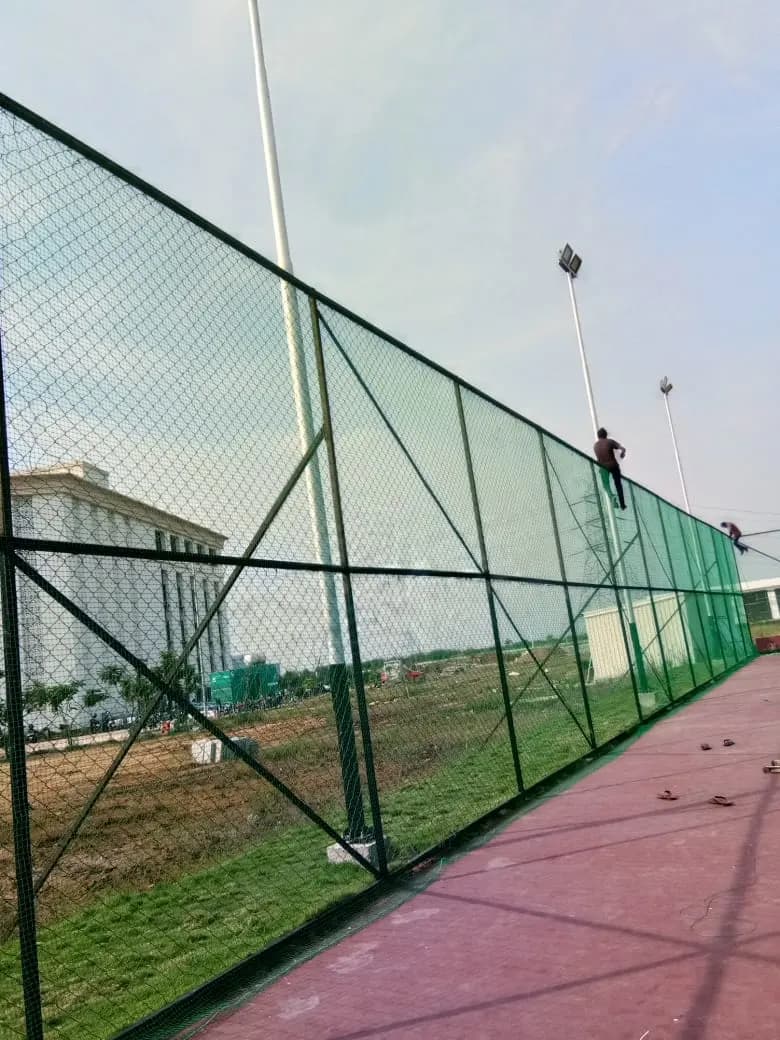
Service Details
Eversafe Safety Nets specializes in durable and court-ready Cricket Practice Nets for schools, academies, and sports clu...
Open details →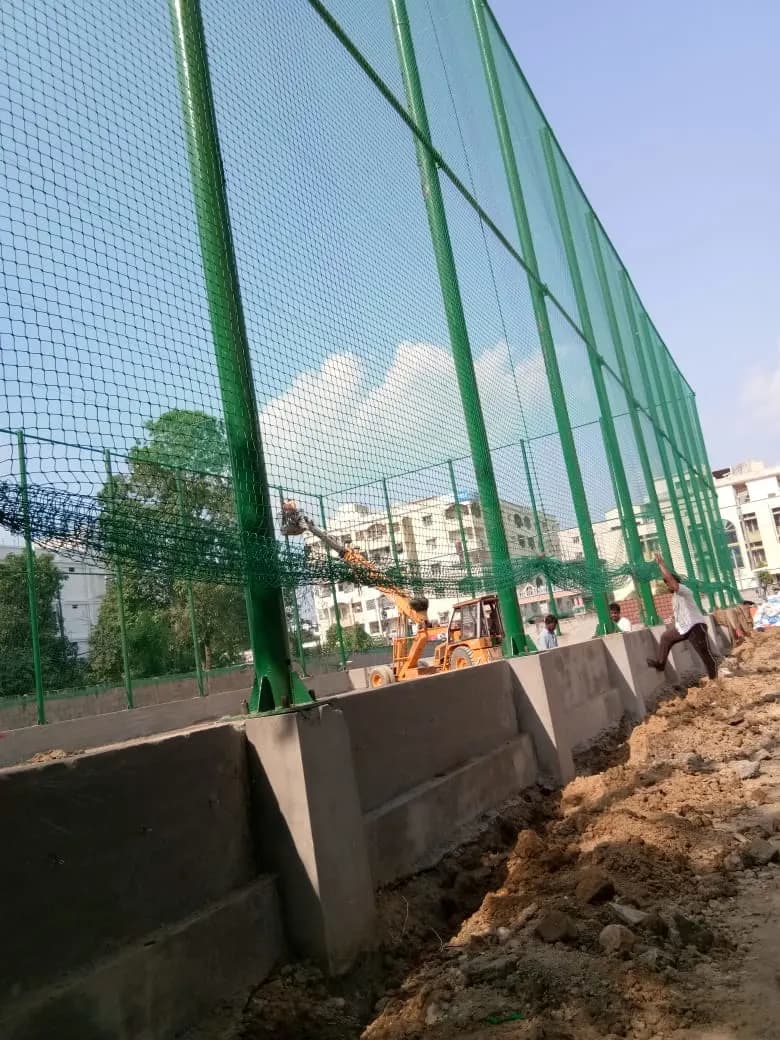
Service Details
Eversafe Safety Nets provides strong and weather-resistant Football Safety Nets designed to protect spectators, players,...
Open details →Service Details
Eversafe Safety Nets supplies and installs court-standard Tennis Court Nets for schools, clubs, and stadiums. Designed f...
Open details →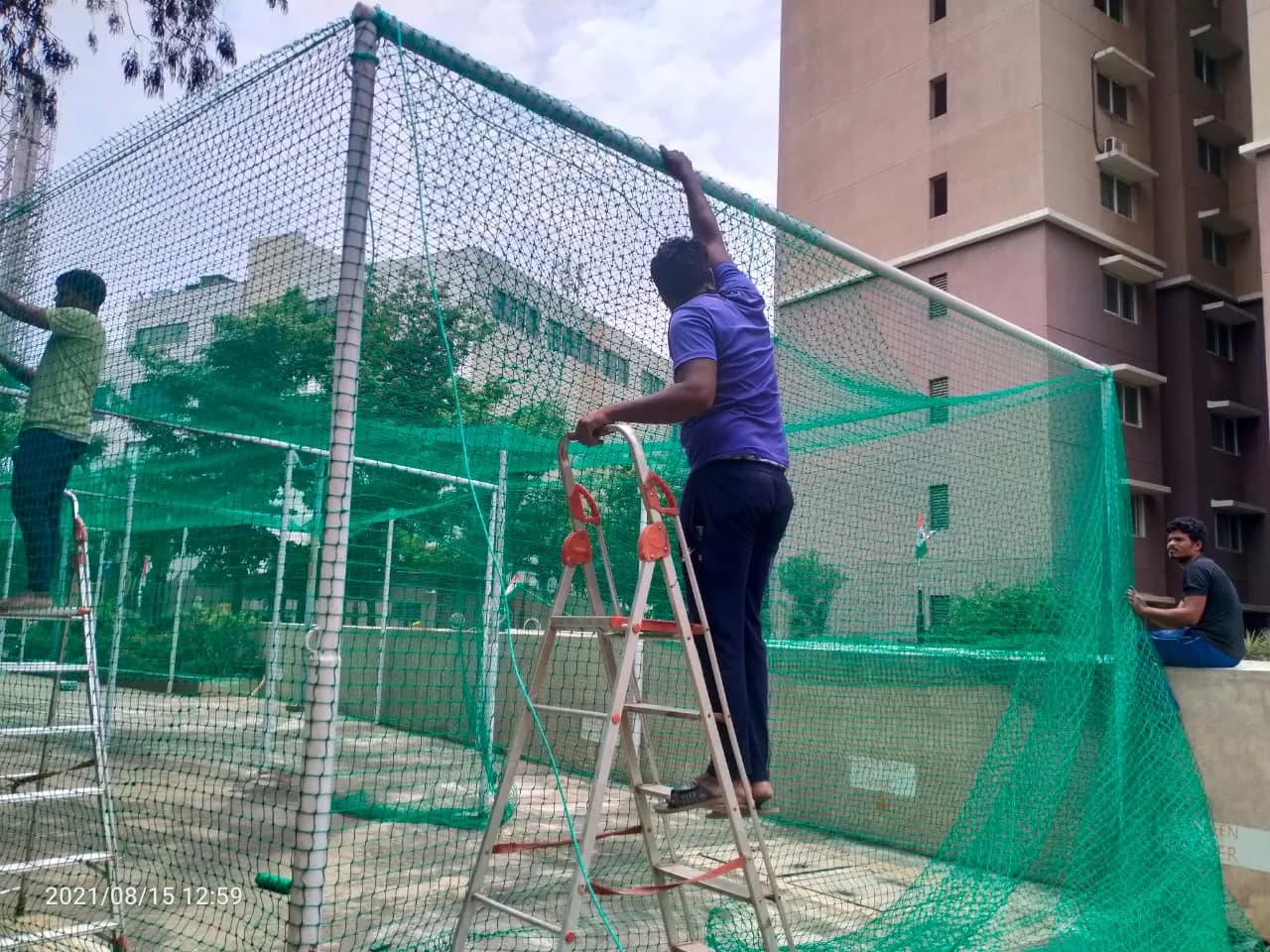
Service Details
Eversafe Safety Nets installs top-quality Volleyball Nets for schools, clubs, and tournaments. Built with strong nylon m...
Open details →Service Details
Eversafe Safety Nets provides high-strength Multipurpose Safety Nets suitable for industrial, residential, and commercia...
Open details →
Service Details
Eversafe Safety Nets provides durable and high-quality Indoor Sports Nets designed for gyms, schools, and sports complex...
Open details →