
Best fit
Where bird spikes work best
Narrow perch lines such as ledges, AC outdoor-unit tops, parapets, window sills, pipes, beams, signboards, solar edges, and small building projections.
Main service page
Start with the gallery, then use the sections below to compare fit, material, pricing factors, and booking questions before you decide.
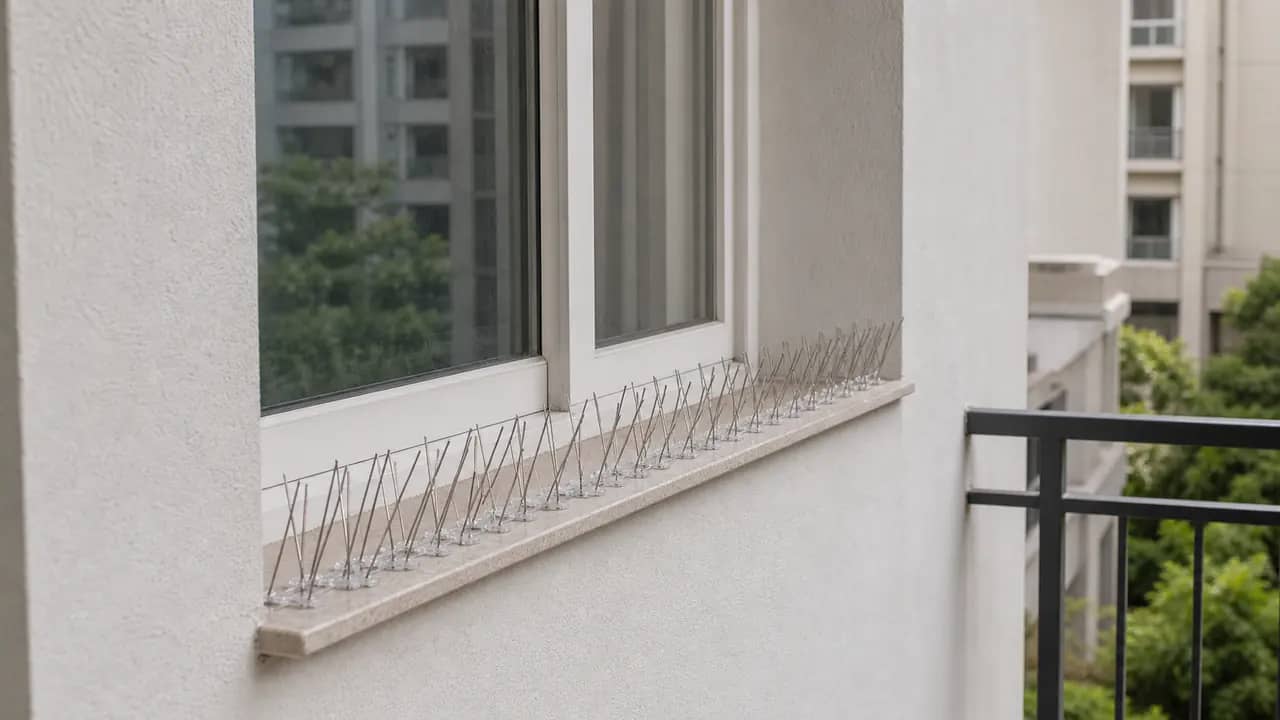
Quick decision view
Use this snapshot to decide whether spikes are the right solution, what to measure, and when a pigeon net or anti bird net may be the better choice.
Why this helps
These are the four signals most people scan first before they decide whether to stay on this page, compare another service, or move straight to a quote.
Best fit
Narrow perch lines such as ledges, AC outdoor-unit tops, parapets, window sills, pipes, beams, signboards, solar edges, and small building projections.
Not ideal for
Full balcony openings, ducts, shafts, windows, utility gaps, and wide spaces where birds enter and move inside the area usually need pigeon nets or anti bird nets instead.
Estimate basis
Running length, ledge width, number of spike rows, material, surface type, fixing method, height, access difficulty, cleaning requirement, and nearby alternate perch points.
Material choice
Stainless-steel bird spikes, polycarbonate bird spikes, UV-protected base strips, spike height, row width, visibility, corrosion exposure, and fixing compatibility.
Responsible fitting
The site should be checked for active nests, trapped birds, loose debris, weak surfaces, AC airflow, service access, and safety before installation starts.
Buyer guide
Bird spikes are a high-intent service because most customers already know the exact problem: pigeons keep sitting on one line, leaving marks, noise, feathers, or cleaning work behind. A useful page should help them confirm whether spikes fit that problem and what a proper quote should include.
Use case
Choose bird spikes when birds sit on a narrow surface. If they are entering a balcony, duct, shaft, or window opening, a netting service is usually more relevant.
Measurement
Spikes are normally estimated by the length to be covered and the number of rows needed for the surface width, not by square feet like many netting jobs.
Material
Stainless-steel spikes are useful for exposed and stronger applications, while UV-protected polycarbonate strips can offer a lighter visual finish on many residential and commercial surfaces.
Fixing
Concrete ledges, metal beams, pipes, signboards, parapets, and AC units may need different fixing methods such as screws, adhesive, sealant, clamps, or cable ties where suitable.
Gap control
Birds may shift to an unprotected corner if the actual landing line is not covered. A good installer checks returns, side ledges, pipe bends, AC brackets, and nearby flat spots.
Proof
The most useful proof is not a generic spike photo. Ask for ledge, AC, parapet, pipe, signboard, or commercial facade examples that look close to your site.
Fast shortlist checklist
A quick scan of these points usually tells people whether this page fits well, whether a nearby page may suit better, or whether it is time to request a quote.
Use the page below when you want nearby city and area coverage that feels more location-specific than the broad service overview.
Browse city pages and local area coverage
Open these local pages when you want nearby area discovery, city-first browsing, and a path that feels closer to your location.
Good for city and area browsing
Open local pages
Service highlights
Highlight 1
Planned for AC tops, window sills, parapets, pipes, beams, and sign edges.
Highlight 2
Best when birds sit on a narrow surface instead of entering a full open area.
Highlight 3
Estimate is based on actual ledge length, width, material, surface, and access.
Highlight 4
Stainless-steel and UV-protected polycarbonate spike options where suitable.
Safety net service details
Bird spikes, also called pigeon spikes, anti bird spikes, anti pigeon spikes, bird deterrent spikes, or bird proofing spikes, are installed on narrow landing surfaces where pigeons and common urban birds sit repeatedly. The goal is not to close the whole area, but to make that landing line unsuitable for regular perching.
This service is highly targeted for AC outdoor-unit tops, window sills, balcony ledges, parapet walls, pipes, beams, signboards, solar-panel edges, small roof projections, and commercial facade strips. When birds are entering a full balcony, duct, shaft, or window opening, pigeon nets or anti bird nets usually solve the problem better than spikes alone.
A good bird spikes installation should start with the exact landing point: where birds sit, how wide the ledge is, how long the run is, what the surface is made of, whether the area is exposed to sun and rain, and whether adjacent flat areas will allow birds to shift nearby.
The best result comes from practical planning: correct spike width, suitable material, clean fixing, no avoidable gaps, safe access, and clear guidance for maintenance after painting, AC work, facade cleaning, or renovation.
Safety net service details
Most customers choose bird spikes because the problem is visible and specific: birds keep sitting on the same ledge, AC unit, window sill, pipe, beam, signboard, or parapet line. Treating the exact perch line can reduce repeat landing and the cleaning work that follows.
Why choose us
Benefit 1
Clear guidance on bird spikes versus pigeon nets
Benefit 2
Surface-specific fixing plan for ledges, AC units, pipes, beams, and parapets
Benefit 3
Stainless-steel and UV-protected polycarbonate spike options
Benefit 4
Running-length and ledge-width measurement before final estimate
Benefit 5
Careful placement to avoid gaps where birds can still perch
Benefit 6
Photo-based quote support before confirming the visit
Benefit 7
Responsible checks for active nests, loose debris, and safe access before installation
Benefit 8
Service availability in selected cities and Kerala service areas
Features
Safety net service details
Bird spikes work best when the problem is birds sitting on a narrow, repeat landing surface. The surface may be small, but the cleaning issue can become frustrating if birds use it every day.
A correct spike layout should cover the actual landing line and nearby side returns, not just the most visible center portion. This helps reduce the chance of birds shifting a few inches to another open edge.
Safety net service details
We provide bird spikes installation in selected cities and service areas. Since each job depends on surface type, access height, project size, and team schedule, customers can share city, pin code, photos, and approximate running length before booking.
Kerala is handled as selected service locations only, not an all-state promise. Share your exact location to confirm availability before finalising the work.
Safety net service details
This page is intentionally focused on bird spikes so it does not conflict with your broader pigeon net and HDPE pigeon net pages. Spikes are for anti-perching. Nets are for opening coverage and exclusion.
Choosing the wrong service can waste time. A balcony with birds entering and moving inside usually needs netting. A ledge where birds only sit on the outer edge may need spikes. Some sites need both: spikes for the perch line and nets for the open gap.
Safety net service details
Bird spike systems are commonly available in stainless-steel and polycarbonate variants. Stainless-steel spikes are usually chosen where strength, exposure, and a longer-duty finish matter. Polycarbonate bird spikes are often chosen where a lighter strip, transparent look, or lower visual bulk is preferred.
The material should be selected after checking surface type, weather exposure, visibility preference, ledge width, and fixing method. For wider ledges, a single narrow row may not be enough; angled or multi-row coverage may be needed.
Safety net service details
AC outdoor units and ledges need more care than simple flat surfaces. The installer should avoid blocking airflow, drainage, electrical access, service panels, or areas that technicians need for future maintenance.
On parapets, pipes, beams, and signboards, the fixing method should match the surface. A clean installation is not only about placing the spike strip; it should also prevent loose ends, avoid weak fixing, and keep adjacent perch points in mind.
Safety net service details
Bird spikes price should not be quoted only from a product strip photo. A proper estimate depends on the running length to be covered, the surface width, the type of spike used, fixing method, site access, cleaning requirement, and whether nearby alternate landing lines also need treatment.
For faster quote support, send photos from different angles, approximate ledge length, city, floor level, access details, and whether the problem is AC, ledge, parapet, pipe, beam, signboard, or solar-panel edge related.
Safety net service details
Bird spikes should be planned as a deterrent, not as a trap. Before installation, the surface should be checked for active nests, trapped birds, eggs, loose debris, and any situation where proofing could create harm or blockage.
If birds are already nesting, the site may need careful handling before any deterrent is installed. After installation, periodic checks help keep the strip clear of leaves, dust, feathers, and loose material that could reduce performance.
Safety net service details
When searching for bird spikes near me or pigeon spikes near me, the best enquiry is a clear site enquiry. A few photos and measurements can help confirm whether spikes are the right service or whether pigeon netting is needed instead.
This saves unnecessary visits and helps the team suggest the right material, fixing method, and approximate scope before final measurement.
Safety net installation process
Professional bird spikes installation starts by confirming whether spikes are the right solution, measuring the actual perch line, and choosing the fixing method that suits the surface.
Step 1
The team checks where birds are actually sitting, whether the issue is a ledge or a full opening, and whether spikes or netting will solve the problem better.
Step 2
The ledge, AC top, parapet, pipe, beam, or signboard edge is measured for total running length, surface width, corners, and side returns.
Step 3
The installer checks surface strength, dust, paint condition, metal or concrete finish, AC access, drainage, wiring, and safe working access before choosing the fixing method.
Step 4
Stainless-steel or polycarbonate spike strips are selected according to exposure, visibility, surface type, width, and whether one-row or multi-row coverage is needed.
Step 5
The surface is cleaned where possible, and the spike strips are fixed using adhesive, screws, clamps, cable ties, or another suitable method based on site condition.
Step 6
The final line is checked for loose strips, weak corners, open gaps, adjacent landing spots, AC airflow, service access, and neat visible finish.
Step 7
The customer is guided on cleaning, maintenance checks, repainting or AC-service precautions, and when to call for adjustment if birds shift to a nearby surface.
Safety net service details
Bird spikes stay more effective when the strips remain fixed, visible, and free from debris. Dust, leaves, feathers, old nesting material, or loose wires can create a surface where birds may still try to sit.
After installation, check the spike line from time to time, especially after heavy rain, strong wind, painting work, AC servicing, signage repair, or facade cleaning. Early adjustment is easier than waiting until birds return to the same point.
FAQs
Bird spikes are better for narrow landing points such as ledges, AC outdoor-unit tops, parapets, pipes, beams, and sign edges. Pigeon nets are better when birds enter balconies, windows, ducts, shafts, or larger open spaces.
Bird spikes are designed as anti-perching deterrents, not traps. Correct placement makes the landing line uncomfortable so birds move to another place. The site should still be checked for active nests, trapped birds, and risky gaps before work starts.
Yes, where access and surface condition allow safe fixing. The installation should not block airflow, service access, drainage, electrical points, or normal AC maintenance.
Stainless-steel spike systems are preferred for stronger exposed areas, while UV-protected polycarbonate spikes are useful where a lighter, cleaner, or less visible strip is suitable. The right choice depends on surface, exposure, width, and budget.
The estimate depends on running length, ledge width, number of rows, material type, fixing method, access height, surface cleaning, and whether nearby landing points also need coverage.
Yes, Tirupati is included in our selected service areas. Availability depends on exact location, site access, project size, and installer schedule.
Related services
If this page is close but not exact, these are the next service pages worth comparing before you request a quote.
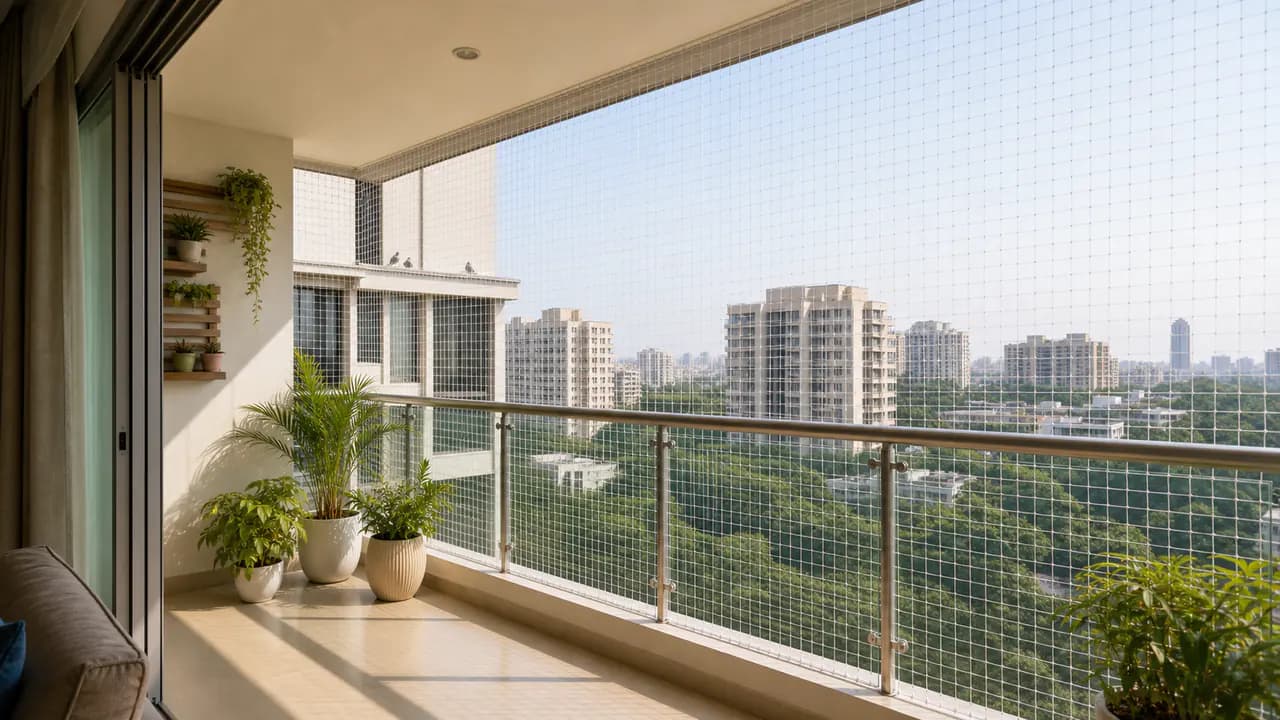
Main service page
Balcony Pigeon Nets help keep apartment balconies, ledges, AC corners, ducts, and utility ...
Explore →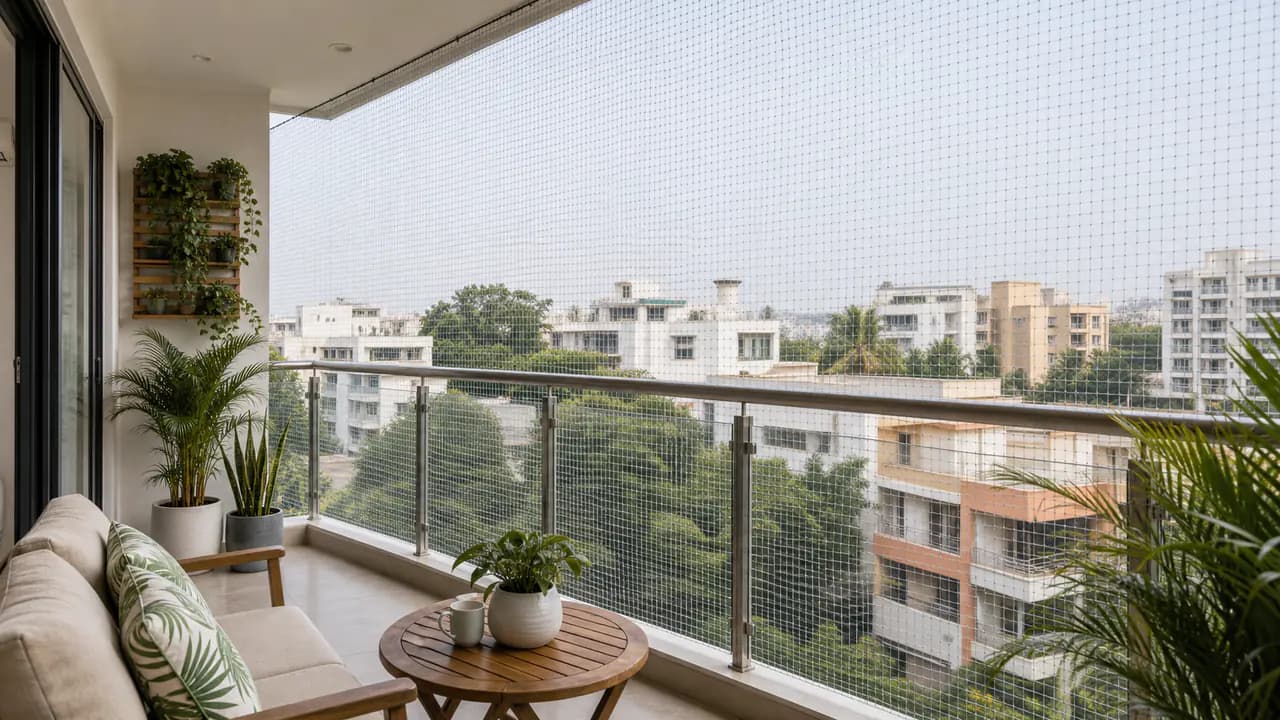
Main service page
Anti Bird Nets are custom-fitted mesh barriers for balconies, windows, ducts, shafts, terr...
Explore →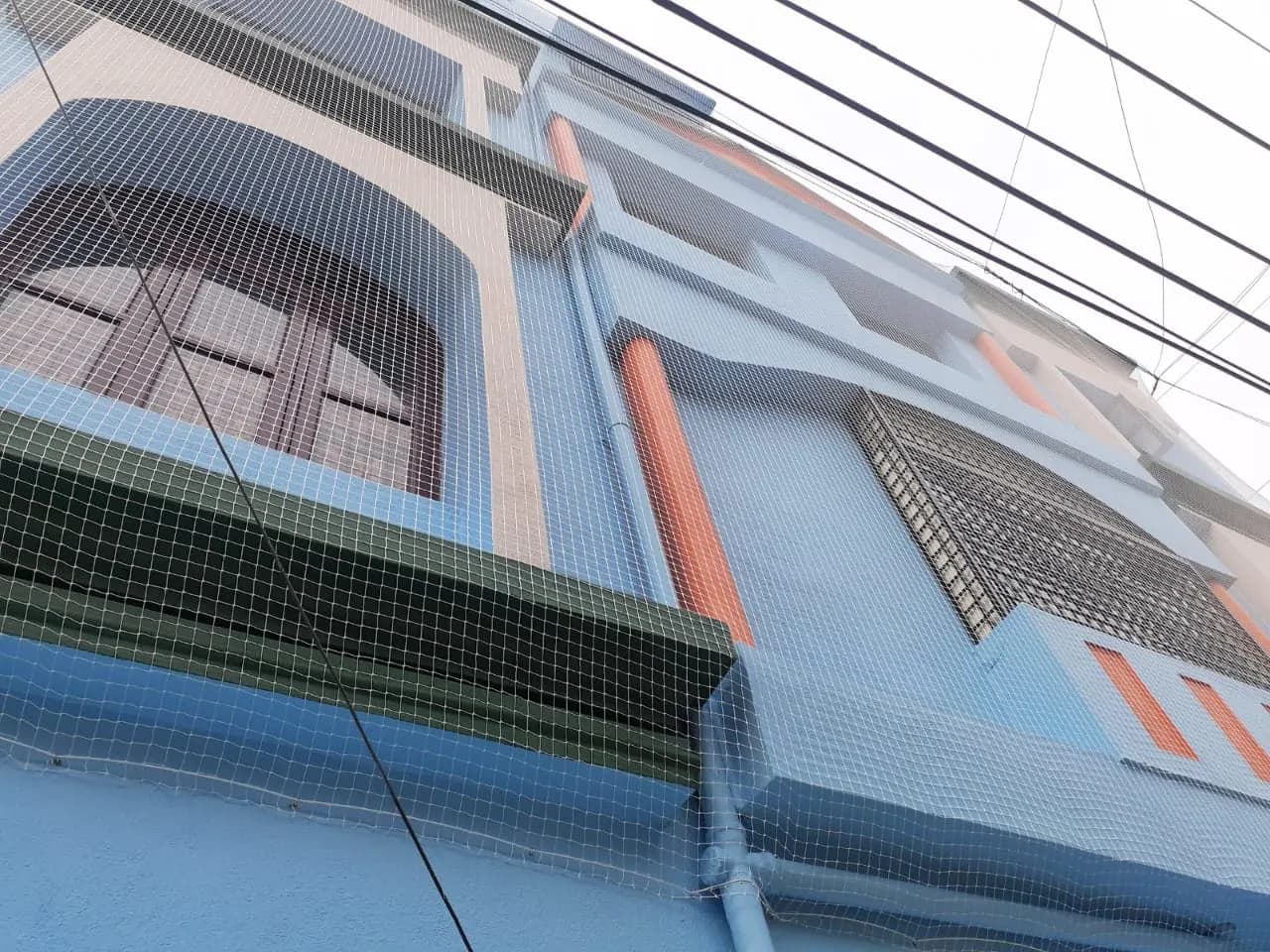
Main service page
Glass Facade Bird Protection Nets prevent birds from colliding with large glass panels and...
Explore →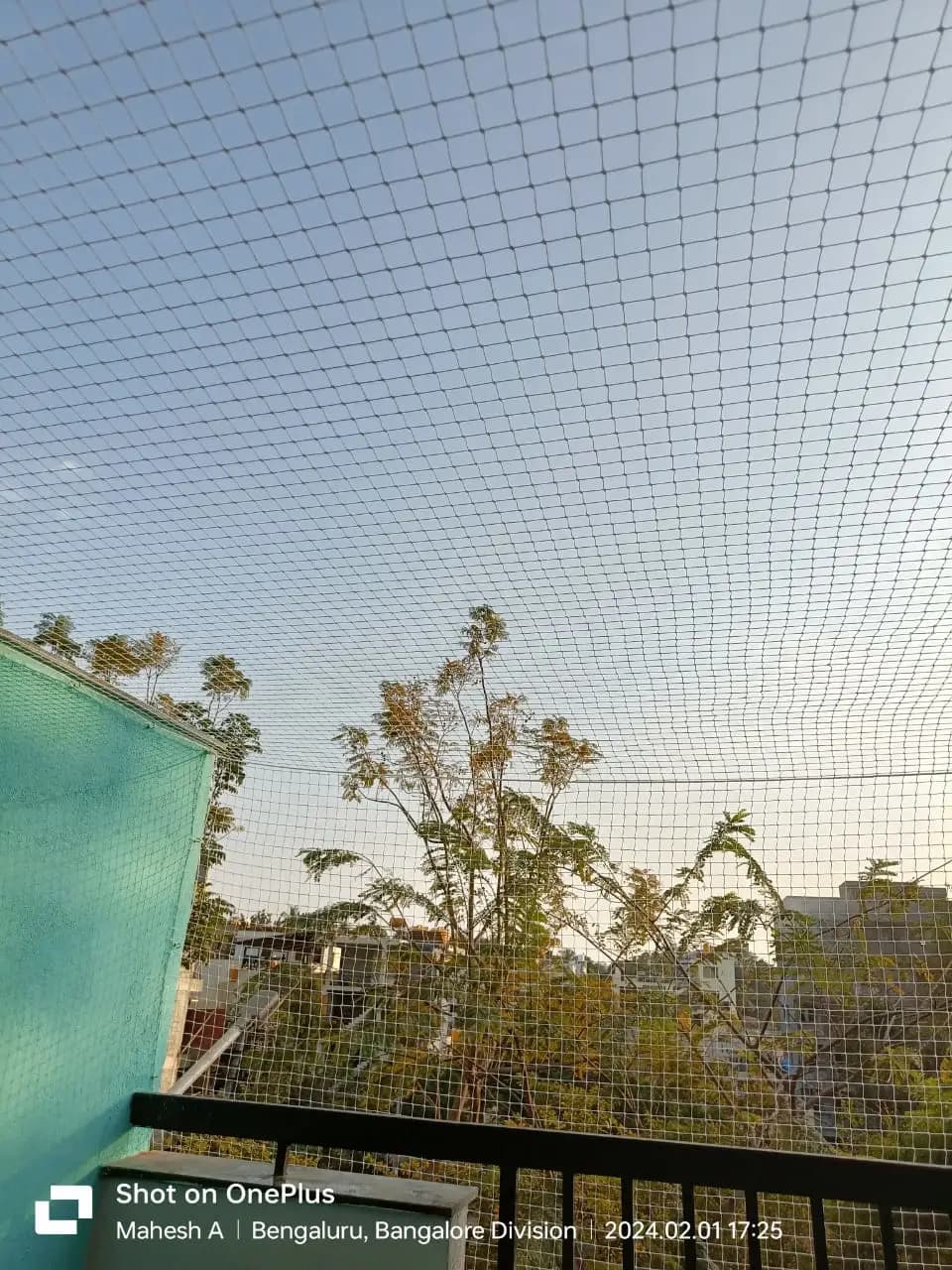
Main service page
Open Area Bird Nets provide strong and large-coverage netting ideal for terraces, open bal...
Explore →Main service page
Solar Panel Bird Protection Nets prevent birds from nesting under panels, ensuring efficie...
Explore →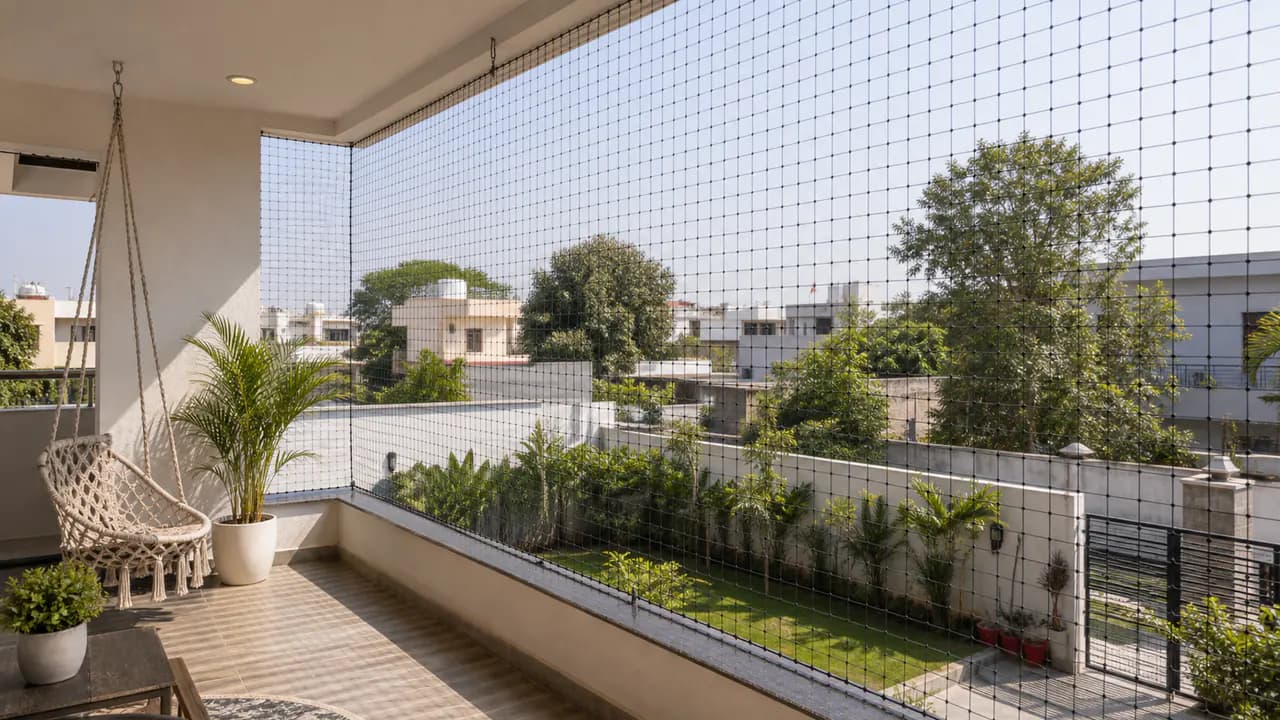
Main service page
HDPE Pigeon Nets are UV-stabilized high-density polyethylene mesh systems used for pigeon-...
Explore →Ready to compare or book
Get a clearer inspection brief, material guidance, and installation advice before you commit to bird spikes installation.
Share the opening size, photos, or site condition and we will help you judge the right next step quickly.