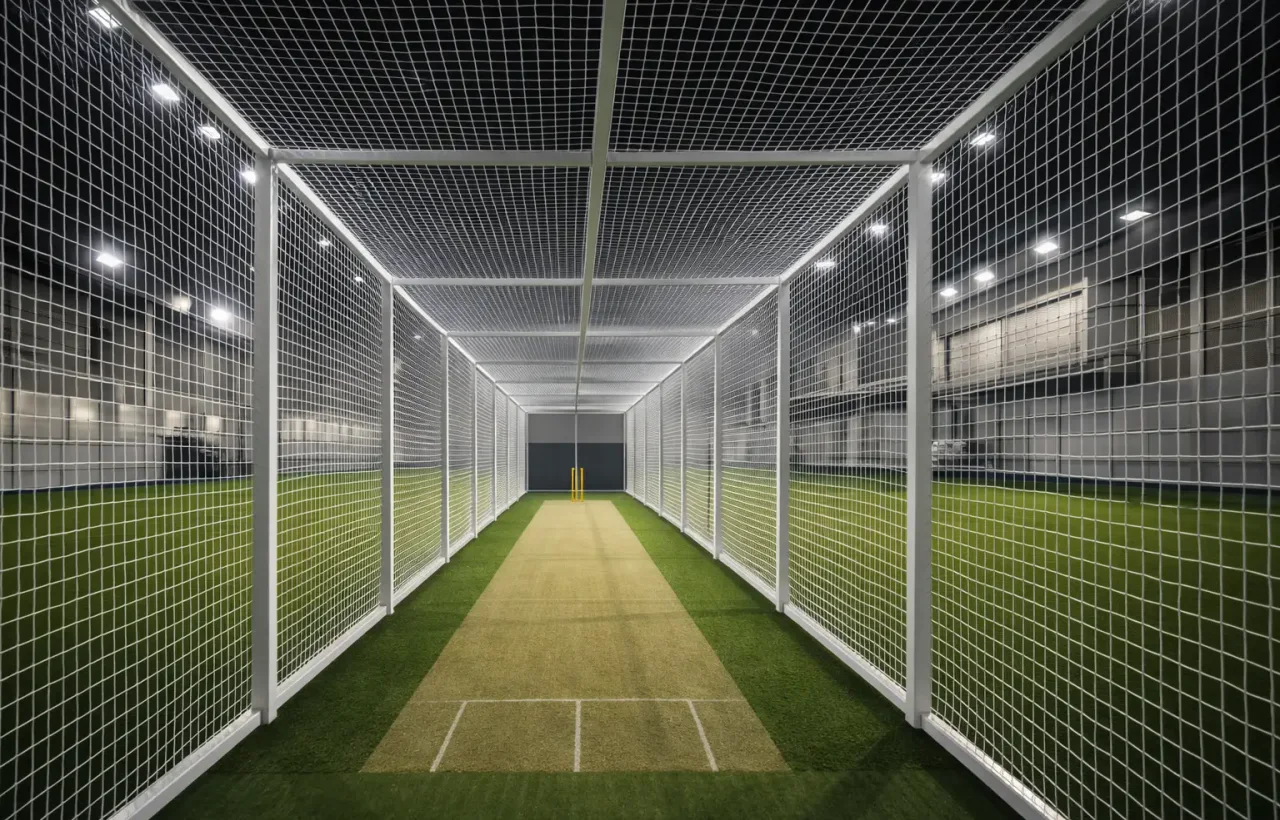
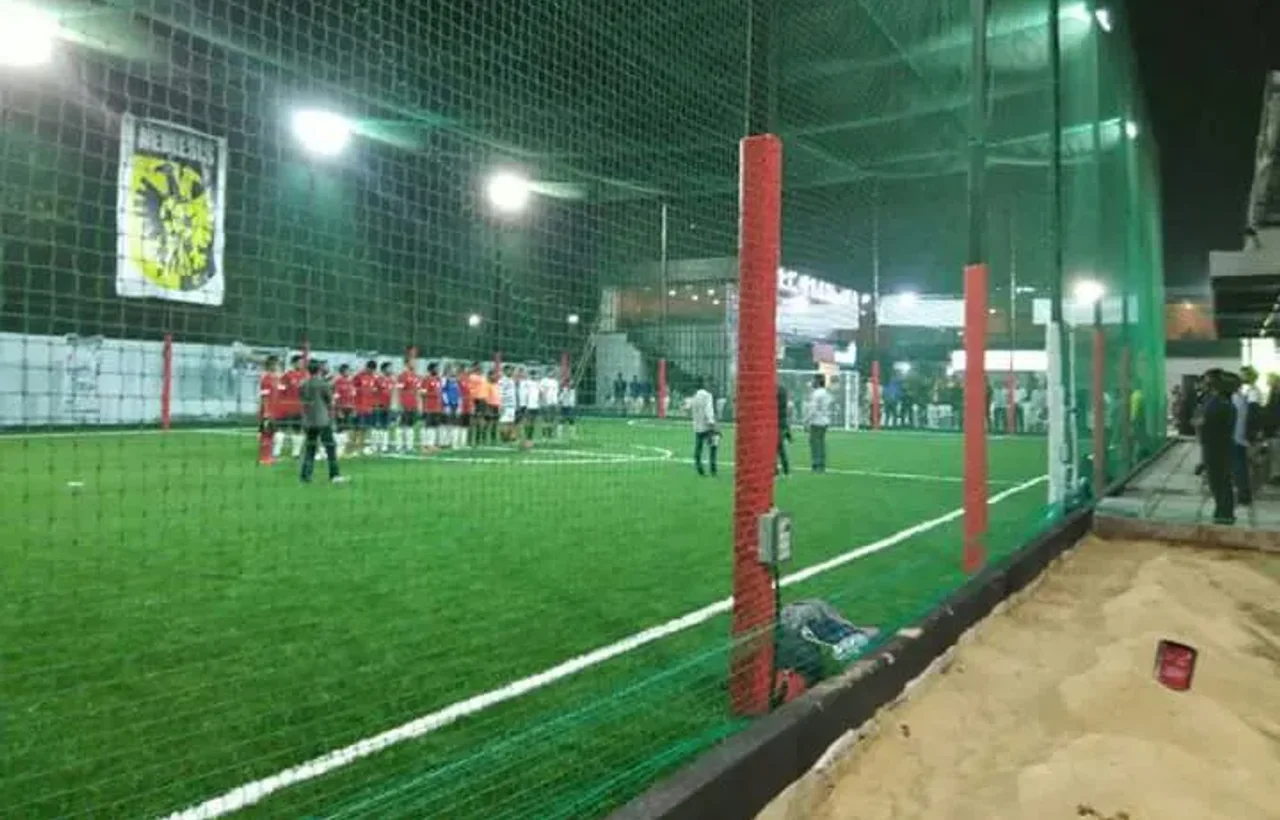
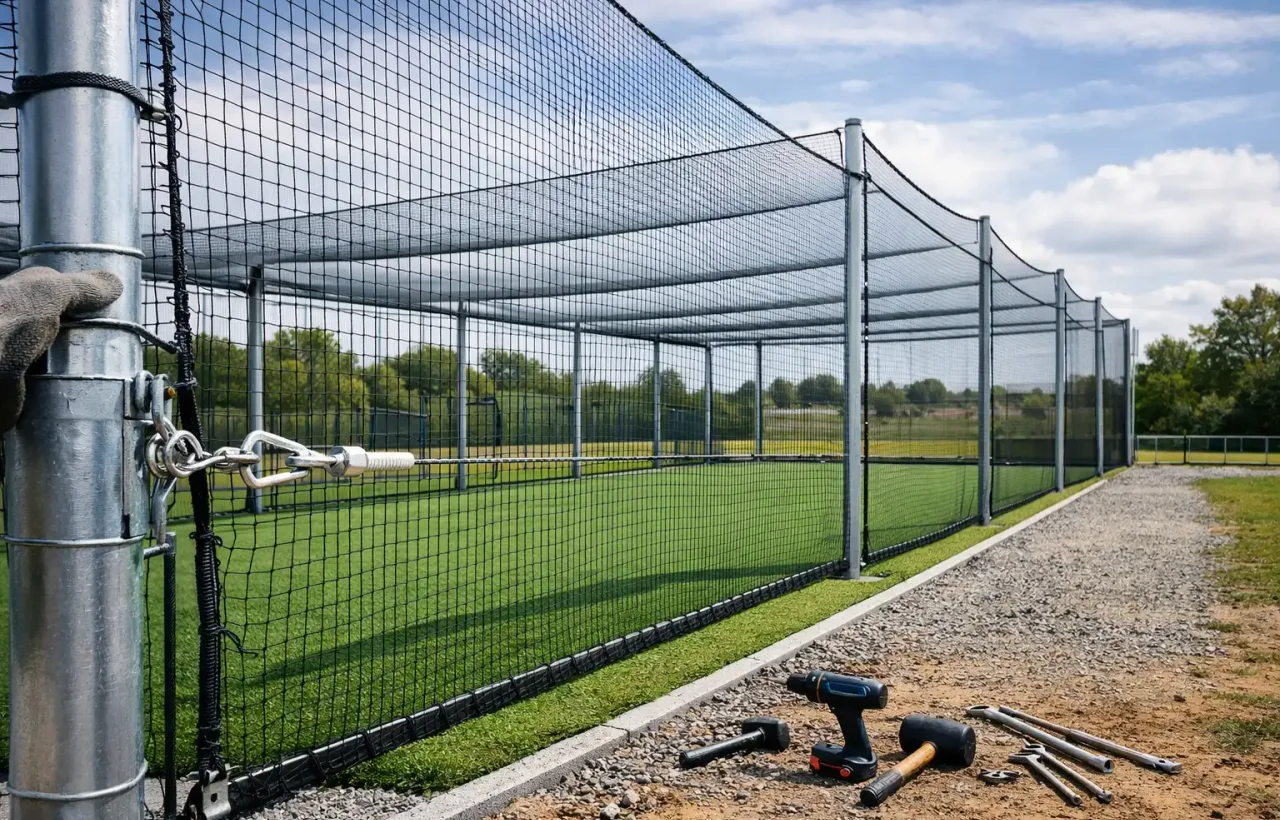
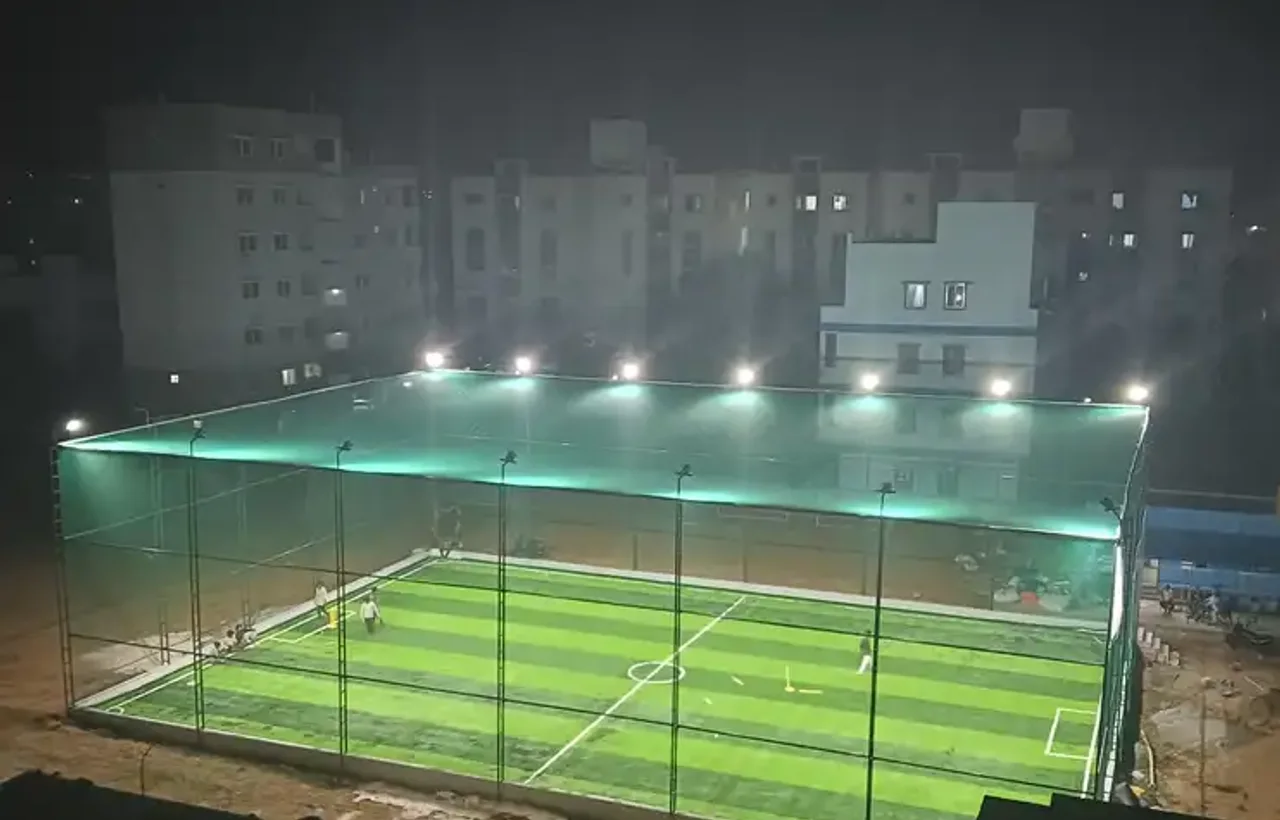
K R Puram cricket nets need traffic-side discipline because railway-side roads, apartments, old homes, and service lanes create constant movement around practice spaces. In this part of Bangalore, a cricket practice net has to read the property before it reads the measurement. The same request can mean terrace cricket lane, apartment court, or road-facing compound strip, and each one changes the safe height, side return, fixing method, and entry point.
A ball can escape through the side, bounce toward a parked bike, and meet a delivery rider coming from the service road. This is the kind of small but serious moment that separates a proper cricket net from loose sports netting. The design should protect the mistake shot, the late swing, the side edge, the rolling chase, and the person who enters the space at the wrong time.
EverSafe measures the batter stance, bowling or throwdown end, straight-drive side, lifted-ball height, side return, ball retrieval route, and nearby property exposure before suggesting the layout. For K R Puram, this matters because the surroundings include railway-side homes, apartment blocks, school terraces, service-road compounds, and old-east residential lanes.
Around K R Puram, the stronger result is a cricket lane people actually use. Players can practise without stopping after every shot, parents do not need to watch every escape path, and the surrounding cars, windows, gates, balconies, and walkways stop feeling like part of the game.