Bangalore local: Devanahalli Road area pages and related Bangalore services only
Local service page
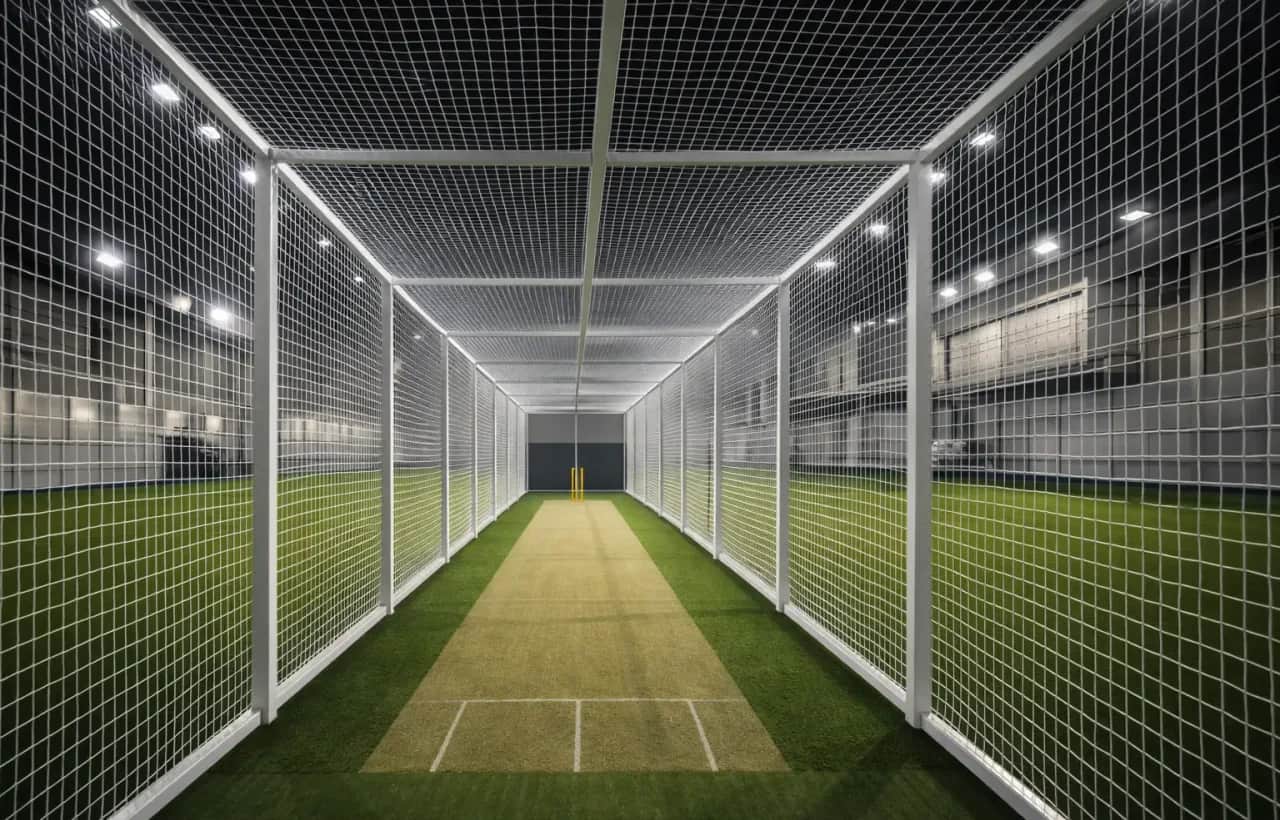
Devanahalli Road cricket nets should be matched to moving access roads, not just the nearest wall. EverSafe plans Cricket Practice Nets in Devanahalli Road, Bangalore for airport-road school grounds, villa plot practice lanes, open apartment courts, and larger residential cricket spaces, with the batting lane shaped around batter stance, throwdown end, straight-drive line, lifted-ball height, side returns, coach view, and daily movement around Airport Road side, Yelahanka reach, Devanahalli approach, Bagaluru side.

Compare before you book
This page stays focused on what usually changes around Devanahalli Road. If you are still comparing material, price, safety fit, or nearby visit options, the Bangalore Cricket Practice Nets guide gives the broader picture before you call. You can also browse the Bangalore area guide when you want to check nearby local pages.
City guide
Compare Cricket Practice Nets materials, fitting choices, price factors, and visit planning across Bangalore.
This area
Use this page when the opening, building access, or daily routine around Devanahalli Road is the main concern.
Nearby options
Move between the city guide and local pages when you want either a wider view or a closer match.
Devanahalli Road cricket nets should be focused on moving access roads, not just the nearest wall.
A straight drive keeps travelling after the second bounce, and the fielder notices the access road only after starting after it. That is the kind of moment a cricket practice net has to solve: not only the visible opening, but the path from bat to risk side.
In Devanahalli Road, cricket is different from a general play-area net because the force repeats in a predictable direction. The same straight drive, pull shot, lofted hit, or mistimed edge keeps testing the same side again and again.
In Devanahalli Road, EverSafe reads the lane from the batter stance first, the bowling or throwdown end, straight-drive line, side return near parking, top-cover need, coach visibility, retrieval route, and entry point are reviewed together before height or mesh path is finalised.
In Devanahalli Road, a useful cricket lane should let practice continue, it should not make the coach shout after every hard hit, should not send children outside after rebounds, and should not leave parked cars, scooter mirrors, glass fronts, home windows, compound gates, signboards, pedestrians, and neighbour-side items exposed after installation.; the fixing choice follows that local wear pattern.
The best Devanahalli Road result is the one players stop noticing for the right reason: the ball stays inside the practice path, the coach can see the drill clearly, and nearby homes or vehicles stop feeling like part of the session.
Local fit
Cricket practice becomes stressful when a batting pocket faces open winds, long rebounds, service-road turns, parked vehicles, and balls travelling toward access-road movement. In Devanahalli Road, the issue is repeated because cricket sends force into the same side again and again. One good-looking net can still fail if the straight-drive line, side return, top height, and player entry are not planned from the batter side.
EverSafe maps the Devanahalli Road batting lane from the player's side first. Batter stance, throwdown or bowling end, straight-drive side, side return near parking, lifted-ball height, controlled player entry, and daily access are planned as one working lane.
EverSafe is a stronger choice for Devanahalli Road cricket practice nets because the team plans cricket-specific movement instead of only hanging mesh on the nearest side. The focus is ball speed, repeated shot direction, side returns, top-cover judgement, support strength, and safe use after fitting.
Decision Pattern
For home practice
The Devanahalli Road fit should notice this: choose this route when tennis-ball cricket or throwdowns happen close to parked cars, scooter mirrors, glass fronts, home windows, compound gates, signboards, pedestrians, and neighbour-side items. The priority is to control the straight-drive line and reduce chasing.
For schools
The Devanahalli Road fit stays focused on this: schools need stronger repeated-impact planning because many players hit toward the same side. Coach view, ball retrieval, player entry, and side returns matter as much as the main net.
For compact spaces
In Devanahalli Road, compact spaces need sharper lane reading, a small gap beside the entry or return can leak more balls than the main panel, especially during pull shots or mistimed edges.
First check
Shot line
reviewed during Devanahalli Road cricket-net planning.
Common risks
Cars + glass
reviewed during Devanahalli Road cricket-net planning.
Finish goal
Controlled lane
reviewed during Devanahalli Road cricket-net planning.
Typical opening: cricket net runs vary from short throwdown sides to taller batting-lane enclosures
Building mix: airport-road school grounds, villa plot practice lanes, open apartment courts, and larger residential cricket spaces
Outdoor conditions: airport-side wind, open sun, red dust, and fewer continuous wall supports
Common layout cue: airport-road corridors where wind and long ball travel shape the cricket net more than compact-lane logic around open winds, long rebounds, service-road turns, parked vehicles, and balls travelling toward access-road movement
tennis-ball batting practice near Airport Road side
throwdown lane where balls move toward parked vehicles in Devanahalli Road
school-side cricket drills where player entry and ball-stop sides must stay separate
terrace practice where lofted hits and straight drives need different protection
academy-style repetitions where the same impact side gets hit many times
home cricket corners where windows or balconies sit close to the shot side near Yelahanka reach
experienced with Devanahalli Road cricket spaces around Airport Road side, Yelahanka reach, Devanahalli approach, Bagaluru side
In Devanahalli Road, cricket net planning based on batter stance, straight-drive line, side return, support strength, and access.
layouts that protect vehicles, windows, people, and nearby property
local planning for homes, schools, academies, apartments, villas, and coaching spaces
For Devanahalli Road, compare airport-side open distance and low-boundary containment, cricket needs more attention to repeated shot direction than a general play-area boundary.
Best for: Throwdowns, tennis-ball practice, school drills, terrace batting, and coaching lanes
Around Devanahalli Road, it follows the batter stance, straight-drive side, and repeated shot path instead of only covering a boundary.
Best for: Parking-side edges, neighbour windows, narrow lanes, and compact home practice spaces
It closes the corner where edges, pulls, and rebounds escape after the main hit.
Best for: Terrace cricket, lofted tennis-ball shots, high-rise courts, and open plots
It reduces lifted-ball escape when height alone cannot control the practice area.
EverSafe confirms where the batter stands, where the ball is fed from, and which side receives the hardest shots in Devanahalli Road.
Devanahalli Road cricket practice net note: straight-drive, lofted-ball, side-edge, parking-facing, window-facing, and road-facing paths are marked before final sizing.
Devanahalli Road cricket practice net is settled only after support, reach, material, and finish all make sense.
Near Airport Road side, the final fitting is looked at for ball control, coach view, player access, retrieval, finish, and everyday movement around the lane.
airport-road corridors where wind and long ball travel shape the cricket net more than compact-lane logic needs batting direction measured before height and material are finalised.
airport-road school grounds, villa plot practice lanes, open apartment courts, and larger residential cricket spaces need different support decisions even when the visible practice length looks similar.
airport-side wind, open sun, red dust, and fewer continuous wall supports can make weak tension, loose tying, or poor corner fixing age quickly.
A strong Devanahalli Road cricket net keeps coach view, player entry, ball retrieval, and daily movement real after installation.
Around Airport Road side, the straight-drive line and the side return are more important than the easiest fixing side.
EverSafe measures the batter-facing line before quoting because Devanahalli Road lanes can hide the real shot path.
For Devanahalli Road, the stronger installation protects parked cars, scooter mirrors, glass fronts, home windows, compound gates, signboards, pedestrians, and neighbour-side items without stopping practice from feeling natural.
Useful for airport-road corridors where wind and long ball travel shape the cricket net more than compact-lane logic.
Around Devanahalli Road, better for layouts where loose netting would sag, miss the lifted-ball side, crowd the entry, or leave the hardest-hit corner open.
A child running behind the ball before the coach reacts
A straight drive hitting a parked car mirror or bonnet
window glass taking a direct hit during throwdowns
A batter turning after a horn and still connecting toward the road
neighbours stopping practice after repeated ball impact
Measuring only the visible boundary instead of the actual shot path.
Leaving the side return open because the front side already has netting.
Ignoring top-cover need when lofted tennis-ball shots leave the lane.
Placing the player entry inside the hardest-hit side.
Devanahalli Road cricket practice net should not ignore parked cars, scooter mirrors, glass fronts, home windows, compound gates, signboards, pedestrians, and neighbour-side items during layout planning.
Starting from Cricket practice net price in Devanahalli Road depends on lane length, height, top-cover need, mesh grade, support type, access, side returns, fixing surface, and practice intensity. Devanahalli Road lanes may need more height and support strength than compact city practice spaces.
length, width, and height of the batting lane
throwdown, tennis-ball, school, academy, or casual practice intensity
whether straight drives, lofted shots, side edges, or rebounds need extra control
need for poles, wall fixing, frame support, slab fixing, top cover, or mixed support
side returns, player entry, ball retrieval, corner tension, and finish expectations
Airport Road side
Problem: The lane looked manageable, but a straight drive keeps travelling after the second bounce, and the fielder notices the access road only after starting after it.
Solution: EverSafe marked the batter stance, straight-drive line, side return, and lifted-ball side, then planned wide-span support, wind-side returns, and taller catch lines for open practice spaces.
Result: Near Airport Road side. Practice became calmer, with fewer retrieval runs, better coach control, and less stress around nearby property.
Devanahalli approach
Problem: The request first sounded like simple netting, but open winds, long rebounds, service-road turns, parked vehicles, and balls travelling toward access-road movement changed the lane design.
Solution: In Devanahalli Road, the cricket net path was adjusted around impact direction, top height, corner tension, entry gap, and the objects most likely to be hit.
Result: Near Devanahalli Road, the batting lane stayed usable while the most expensive and stressful impact sides were brought under control.
Devanahalli Road does not behave like one standard cricket ground. Around Airport Road side, Yelahanka reach, Devanahalli approach, Bagaluru side, the same request can mean a terrace strip, school lane, apartment podium, home courtyard, academy corner, or open yard. The net should follow the shot, not just the wall.
The first question is simple: where does the ball go when the batter connects cleanly, mistimes the shot, or reacts late? In Devanahalli Road, that answer points toward open winds, long rebounds, service-road turns, parked vehicles, and balls travelling toward access-road movement. Once that side is known, height, return, access, and support become much clearer.
Around Devanahalli Road, EverSafe reads the cricket lane like a repeated-impact space. Batters turn, bowlers feed, kids chase, vehicles move, and the same shot line gets tested again and again. A net that ignores repetition may look complete but still fail during practice.
A straight drive keeps travelling after the second bounce, and the fielder notices the access road only after starting after it. It is a small scene, but it changes how everyone uses the lane after that. Players hit softer, the coach keeps warning children, and the boundary becomes the main worry instead of the drill.
Cricket practice nets in Devanahalli Road should reduce those interruptions. The goal is not only to avoid damage. It is to make the session flow again: fewer retrieval runs, fewer complaints, less risk around vehicles, and less panic when a child runs behind the ball.
Devanahalli Road cricket practice net note: parked cars, scooter mirrors, glass fronts, home windows, compound gates, signboards, pedestrians, and neighbour-side items matter because they create stress. Even a tennis ball can cause arguments, scratches, or glass worries when it repeatedly hits the same place. A good cricket net puts the most direct protection on that impact side.
In Devanahalli Road, a stronger cricket net is set around batting impact. Mesh grade, height, top-cover need, support spacing, corner tension, and side returns should suit how the lane is used. Throwdowns do not behave like casual kids play. A terrace strip does not behave like a school lane.
airport-side wind, open sun, red dust, and fewer continuous wall supports affects the fit. Outdoor nets face sun, dust, wind, pulling, and repeated ball impact. If the corner is weak or the net is tied loosely, the first few weeks may look fine, but the batting side starts sagging later.
Near Airport Road side, EverSafe looks at whether the net needs poles, wall anchors, frame support, slab fixing, top cover, or a mixed approach. The team also keeps access in mind because players still need to enter, retrieve balls, clean the area, and use the lane naturally.
A low quote can miss the actual problem if it only counts square feet. In Devanahalli Road, compare whether the contractor has measured batter stance, throwdown end, straight-drive line, lifted-ball height, side returns, car-facing edge, window-facing edge, entry gap, support condition, and practice intensity.
Devanahalli Road note: ask what happens at corners. Many weak cricket-net jobs fail at returns, not in the middle. The ball escapes from the side gap, rebounds past a pole, or finds the unprotected low section. That is why corner planning is as important as the main net panel.
The cricket practice net plan in Devanahalli Road is settled only when support, access, material, and finish work together.
Before a visit, note the regular practice type, batter stance, feed direction, soundest hitting side, and objects nearby. Mention open winds, long rebounds, service-road turns, parked vehicles, and balls travelling toward access-road movement. These details change the safest layout.
Devanahalli Road cricket practice net note: photos help when they are taken from the batter side, bowling or throwdown end, shot escape side, and support side. A short video of one or two shots is even better because it shows height and movement that still photos can miss.
Once the shot path is clear, EverSafe can recommend whether Devanahalli Road needs a one-side batting net, side-return lane, top-cover net, terrace cricket enclosure, or fuller practice bay. That keeps the work usable instead of oversized.
Send photos from the batter side, the bowling or throwdown end, the straight-drive side, and any nearby vehicles or windows. Mention whether the lane is for home, school, terrace, or coaching use so EverSafe can suggest the right cricket practice net layout for Devanahalli Road.
Area Snapshot
Cricket practice nets in Devanahalli Road work best when the batting routine is understood before quoting. Throwdowns, tennis-ball cricket, school drills, coaching lanes, and terrace practice all create different risk lines.
Nearby landmarks
Useful for airport-road school grounds, villa plot practice lanes, open apartment courts, and larger residential cricket spaces.
set around open winds, long rebounds, service-road turns, parked vehicles, and balls travelling toward access-road movement.
For Devanahalli Road, cricket practice net work: helps reduce ball chasing, window impact, car damage, neighbour complaints, and practice stoppages.
Devanahalli Road note: can be arranged as a batting lane, side-return net, top-cover lane, terrace practice enclosure, or school practice bay.
Keeps coach view, player entry, ball retrieval, and daily access day-to-day after fitting.
Nearby Township-Transition Context
these nearby locality and local cues help reflect the project-and-villa transition pattern around Devanahalli Road, where handover-stage optimism and phased move-in routine can delay balcony safety decisions.
Useful reference while planning cricket-net visits around Devanahalli Road.
Local wording
People looking for cricket practice nets around Devanahalli Road, Bangalore rarely describe it the exact same way every time. The wording usually shifts with the home, the routine, and the first problem that starts feeling noticeable.
Devanahalli Road cricket nets should follow the shot path, not just the nearest wall.
EverSafe keeps Devanahalli Road cricket-net work focused on batter stance, side returns, top height, and support strength.
This usually shows up around
Around Devanahalli Road, people do not always use one exact phrase. These are the fuller ways the request usually shows up when the household is comparing fit, finish, and installation details.
Devanahalli Road cricket practice net note: designed for batting lanes, throwdowns, tennis-ball practice, school drills, and terrace cricket.
Devanahalli Road cricket practice net: set around batter stance, straight-drive side, side returns, lifted balls, and coach visibility.
On Devanahalli Road homes, helps protect parked cars, scooter mirrors, glass fronts, home windows, compound gates, signboards, pedestrians, and neighbour-side items.
Near Airport Road side. Suitable for homes, schools, apartments, academies, villas, campuses, and open practice spaces.
This guidance works best when it answers the practical concerns people carry into the call, not just the first words they use.
batting-lane clarity
straight-drive control
vehicle and window protection
price and measurement clarity
These are the practical questions households usually ask before choosing cricket practice nets in Devanahalli Road, Bangalore.
Yes. EverSafe installs cricket practice nets in Devanahalli Road, Bangalore. The site check focuses on batting lanes, ball control, straight drives and side returns, with lane length, net height, impact side, top cover and entry access reviewed before the quote is confirmed.
Price depends on lane size, net height, frame or support need, top cover and impact direction. Photos can give a first idea, but the final quote is confirmed after measurement and access check.
Send the full practice area, batting direction, nearby glass or vehicles, side boundaries and available fixing points. A wider photo showing height or outside access helps the team judge fixing and safety needs before visiting.
They can reduce ball travel when height, side returns and impact direction are planned correctly. Hard-hit areas may need stronger netting, top cover or extra support.
Small single-opening work is often completed in one visit after measurement. Multiple openings, high access, terrace work or custom supports may need a separate schedule.
The lane should allow safe entry, ball retrieval and practice movement without leaving weak side gaps.
These are the other local service pages people around Devanahalli Road usually compare when the original issue turns out to be wider, more practical or more use-specific than expected.
Usually checked when a residential page turns into a wider netting requirement for courts, play areas or community grounds nearby.
Open local pageUseful when the first concern is children leaning on railings, dragging chairs near the front or reaching open corners and side gaps.
Open local pageHelpful when the same home also uses the terrace actively for children, pets, clothes drying or repeated upper-floor movement.
Open local pageUseful when the issue is broader bird control across openings, shafts or utility-facing areas, not just one balcony front.
Open local pageMore local service pages
Load the live Google Map for Devanahalli Road, Bangalore only when you need local directions.
Open map