local landmarkBus Stand Area
Tuni Town Bus Stop reach
Useful reference point for sports-net measurement visits around Bus Stand Area.
Local service page
Sports Nets in Bus Stand Area, Tuni are for high-distraction sports boundary spaces where ball control, player access, neighbour comfort, and public-side movement need to be planned together. In Bus Stand Area, EverSafe fits sports nets for transport-linked play spaces, apartment activity corners, small school yards, and coaching pockets where children and players get distracted by bus-side movement, with the net path adjusted to play direction, ball-stop side, available support points, and daily use.
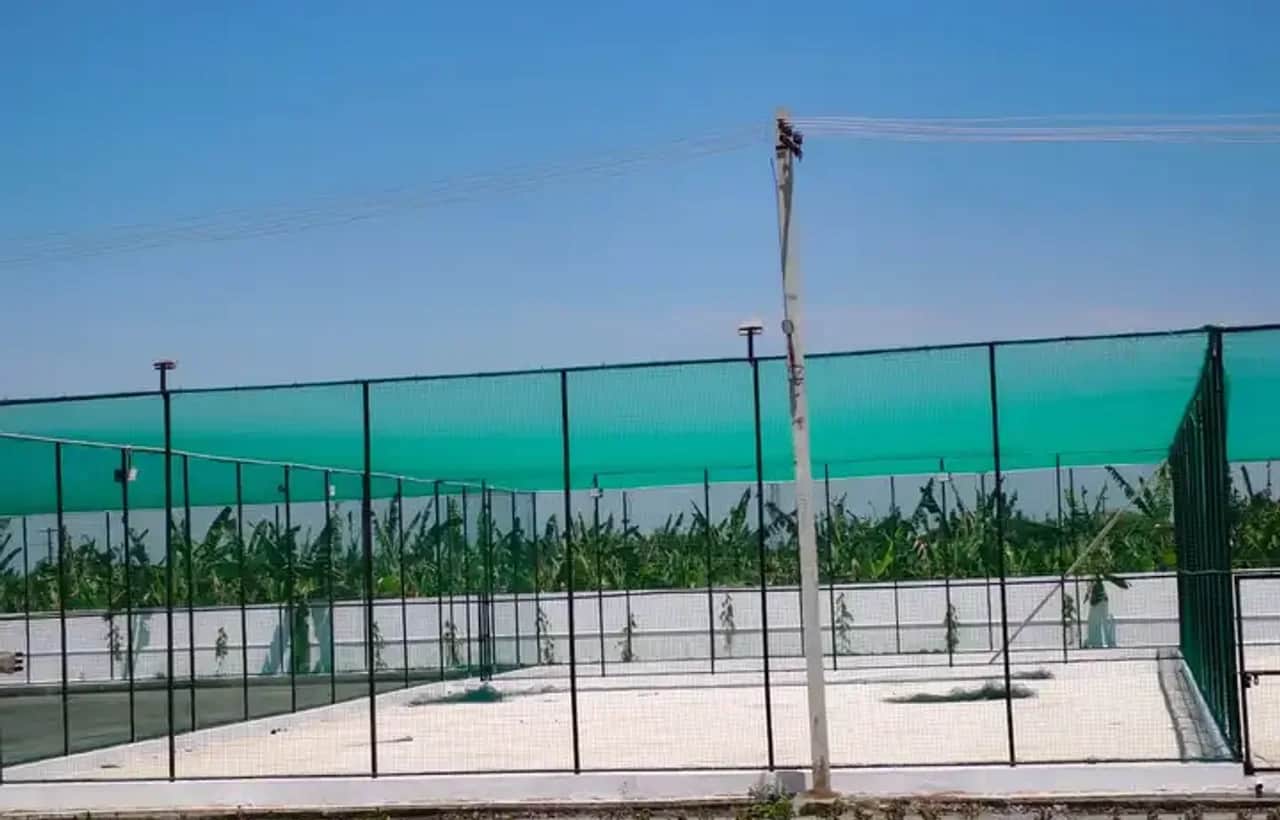
Compare before deciding
This page stays focused on what usually changes around Bus Stand Area. If you are still comparing material, price, safety fit, or nearby visit options, the Tuni Sports Nets guide gives the broader picture before you call. You can also browse the Tuni area guide when you want to check nearby local pages.
City guide
Compare Sports Nets materials, fitting choices, price factors, and visit planning across Tuni.
This area
Use this page when the opening, building access, or daily routine around Bus Stand Area is the main concern.
Nearby options
Move between the city guide and local pages when you want either a wider view or a closer match.
Nearby Town Context
these nearby apartment and town-side references help show the quicker family-use environment around Bus Stand Area and the balconies that stay part of ordinary routine there.
Useful reference point for sports-net measurement visits around Bus Stand Area.
Helps describe practice-space access and local fitting context in Bus Stand Area.
In Bus Stand Area, you notice the risk immediately: balls do not just drop, they travel fast toward people, parked vehicles, and transport-side movement. A bus horn can distract players mid-shot, a kid may run after the ball, and the next drill stops because someone crosses behind the play side.
The real warning sign is the chase after the shot. A younger player follows the ball before thinking, the coach holds the next throw, and everyone watches the lane or neighbour side instead of the practice.
A missed shot can also damage what sits outside the game: a car bonnet, two-wheeler handle, house window, side wall, storage rack, or neighbour gate can take the impact first.
Front stop lines, side dividers, open corners, and short play zones where a missed shot can move toward vehicles or public movement are the important surfaces here. If the net height is too low, high shots keep escaping. If the wrong side is protected, the complaint continues. If the entry access sits inside the repeat escape line, the space remains awkward.
That is why Sports Nets in Bus Stand Area, Tuni should be matched to actual game use: cricket practice, shuttle play, football drills, volleyball touches, or mixed child play. Each use creates a different containment problem.
Sports practice becomes unsafe and frustrating when every hard hit risks entering the bus-side or parking-side movement zone. EverSafe handles this by reading the ball-stop side, available support points, rope-edge needs, access gap, and local exposure before recommending the fit.
Local fit
Sports practice becomes unsafe and frustrating when every hard hit risks entering the bus-side or parking-side movement zone. In Bus Stand Area, that problem appears around front stop lines, side dividers, open corners, and short play zones where a missed shot can move toward vehicles or public movement, especially when the space is shared by players, children, visitors, neighbours, or parked vehicles. A missed shot can also damage what sits outside the game: a car bonnet, two-wheeler handle, house window, side wall, storage rack, or neighbour gate can take the impact first.
EverSafe sets the Bus Stand Area sports-net layout around the repeated repeat escape line. That means the ball-stop side, divider return, entry-and-exit path, support strength, and property-facing edge are planned as one system.
EverSafe is used for difficult Bus Stand Area sports-net layouts because the boundary has to manage game speed and public movement at the same time. The team focuses on shot direction, lifted-ball control, side returns, support strength, weather exposure, and the daily movement around the play area.
Area fit
Sports nets in Bus Stand Area work right when the active play side is understood before quoting. Cricket practice, shuttle play, football drills, volleyball touches, and mixed child play all need different boundary decisions.
Nearby landmarks
Useful for transport-linked play spaces, apartment activity corners, small school yards, and coaching pockets where children and players get distracted by bus-side movement
Designed around front stop lines, side dividers, open corners, and short play zones where a missed shot can move toward vehicles or public movement
Helps reduce ball chasing, neighbour disturbance, public-side risk, and practice interruptions
Can be planned as a ball-stop line, side divider, practice lane, or compact play enclosure
Keeps entry-and-exit path, supervision, and daily movement real after fitting
Booking Detail
Starting from Final price depends on site measurement, game use, net height, fixing approach, and boundary layout.
total boundary length and required net height
game type, ball impact level, and lifted-ball direction
whether the job needs a ball-stop side, divider side, enclosure, or entry return
fixing surface, pole or frame support, rope border, and hardware quality
site access, public-facing side, parking or neighbour risk, and finish expectations
EverSafe first looks at whether the space is used for cricket, shuttle, football drills, volleyball, mixed child play, or academy-style practice.
The repeat escape line, lifted-ball side, lane or neighbour side, neighbour-facing edge, and vehicle or window risk are mapped before the estimate is finalized.
Entry-and-exit path, supervision, maintenance access, and daily movement are kept real so the sports net improves the site instead of making it awkward.
Support points, rope borders, tension, height, and finish are suited to Tuni heat, dust, and repeated ball impact.
After installation, the fit should support better practice flow: fewer escaped balls, clearer boundaries, and easier supervision.
Common run
sports boundary lines need 20 to 55 ft with impact focus on the public-facing side
Bus Stand Area sports-net measurement depends on play direction, ball-stop side, and boundary layout.
Main decision
ball-stop side plus access
The right fit controls the repeat escape line while keeping entry access and supervision usable.
Right estimate signal
height and fixing explained
A reliable estimate explains net height, support points, rope border, and side returns before installation.
Typical opening: sports boundary lines need 20 to 55 ft with impact focus on the public-facing side
Building mix: central play spaces, apartment corners, small school yards, and transport-linked coaching areas
Outdoor conditions: traffic dust, heat, and repeated ball impact make tension and fixing quality important
Common layout cue: bus-side distraction, parking edge, entry access, and shot direction decide the safest layout
Bus Stand Area practice moment where a child or player follows the ball toward the repeat escape line before the coach resets the drill
Bus Stand Area practice edge where balls hit car bonnets, two-wheeler handles, house windows, storage racks, or neighbour gates
Bus Stand Area cricket practice lane with one repeated ball-stop side
Bus Stand Area apartment or colony play corner needing a ball-stop boundary
Bus Stand Area school or coaching space where lifted-ball height needs extra height
Bus Stand Area neighbour-facing sports side where complaints or vehicle risk need control
sports-net planning based on repeat escape line, active shot side, height, and player movement
school, academy, apartment, colony, and family play-space fitting guidance
durable rope-edge and fixing recommendations for Tuni heat, dust, and repeated impact
Bus Stand Area sports boundary planning that balances play flow, safety, access, and finish
used for difficult Bus Stand Area sports-net layouts where balls threaten vehicles, homes, neighbours, or public movement
clear estimate explanation for ball-stop lines, side dividers, entry gaps, and support points
Sports-net choices should match how the space is used. A cricket lane, school yard, apartment play corner, and compact colony practice space need different containment decisions.
Works well for: one strong ball-stop side where balls leave the play area repeatedly
It focuses height and strength where the game actually sends the ball.
Works well for: shared spaces, neighbour-facing sides, or multi-use activity zones
It separates play from nearby movement without fully closing the space.
Works well for: coaching lanes, apartment play corners, or small school practice areas
It combines ball-stop sides, returns, and player access into one workable layout.
Bus Stand Area sports-net planning should start with ball direction, not only boundary length.
The right fit changes when the issue is a road side, neighbour side, parking side, visitor path, or lifted-ball height.
access for players, supervision, and maintenance access should stay usable after fitting.
Tuni heat, dust, and repeated impact make stable fixing and rope-edge quality important.
A Bus Stand Area activity space had a front ball-stop problem, a parking edge close to one side, and players pausing every few minutes to retrieve balls.
EverSafe planned the main ball-stop side first, added a side-divider return, and kept a player-friendly access gap away from the repeat escape line.
the practice zone became easier to supervise and the ball retrieval interruptions reduced noticeably.
EverSafe's stronger Bus Stand Area sports-net work comes from reading play behaviour before choosing the net path.
The real warning sign is the chase after the shot. A younger player follows the ball before thinking, the coach holds the next throw, and everyone watches the lane or neighbour side instead of the practice.
A ball hitting a car bonnet, two-wheeler handle, house window, side wall, storage rack, or neighbour gate near Bus Stand Area
Sports practice becomes unsafe and frustrating when every hard hit risks entering the bus-side or parking-side movement zone
A hard shot moving toward a road, vehicle, window, visitor path, or younger child outside the play area
Practice stopping every few minutes because players keep chasing the ball out of the space
Neighbours or property owners objecting because the play boundary was not planned properly
Choosing sports nets only by square feet without reviewing ball direction and ball-stop side
Leaving the over-hit side too low and continuing to lose balls during practice
Leaving car bonnets, two-wheeler handles, house windows, storage racks, or neighbour gates exposed on the repeated shot side
Placing entry-and-exit path inside the main repeat escape line and making the space awkward to use
Using weak support points that loosen under repeated ball impact and weather exposure
Ignoring neighbour, road, visitor, or parking-side risk while protecting only the easiest boundary
For coaching
Coaches and players need the ball to stay in the practice area. A sports net should match hitting direction, ball lift, side returns, and entry access instead of only covering the nearest wall.
For schools and apartments
Schools, apartments, and colony spaces need sports nets that contain play without blocking supervision, movement, or daily access. The fit should reduce complaints and keep the space usable.
For estimate comparison
A better estimate explains height, ball-stop side, support points, rope border, access gaps, and side returns. A weak estimate gives a rate without explaining whether the ball-control problem is actually solved.
Human behavior
The repeated escape side changes player behaviour. Children hesitate, coaches stop practice, owners watch the lane or neighbour side, and the play space starts feeling less useful than it should.
Property protection
When balls keep touching car bonnets, bike handles, window sides, storage racks, or neighbour gates, the sports net has to be planned as property protection as well as play containment.
Bus Stand Area, Tuni
Problem: A Bus Stand Area activity space had a front ball-stop problem, a parking edge close to one side, and players pausing every few minutes to retrieve balls
Solution: EverSafe planned the main ball-stop side first, added a side-divider return, and kept a player-friendly access gap away from the repeat escape line
Result: the practice zone became easier to supervise and the ball retrieval interruptions reduced noticeably
Practice area in Bus Stand Area
Problem: The play space needed ball control without blocking entry access, daily access, or nearby movement.
Solution: The main ball-stop side was separated from the divider side, and the entry point was kept away from the clearest repeat escape line.
Result: The sports area became easier to supervise, easier to use, and less disruptive for nearby people.
A sports net should start with the game, not the material. Cricket, shuttle, volleyball, football drills, and child play all send the ball differently. In Bus Stand Area, transport-linked play spaces, apartment activity corners, small school yards, and coaching pockets where children and players get distracted by bus-side movement. That means the net path should be chosen from play behaviour.
The ball-stop side is more important than the longest side. If the right repeat escape line is not protected, practice still stops. If the over-hit side is too low, players still chase balls. If entry is placed in the wrong spot, the court feels awkward.
EverSafe's value is in turning a rough open space into a day-to-day play boundary. The final fit should improve practice flow and reduce disturbance without making the area hard to use.
Poor sports nets fail quietly. They sag, miss the ball-stop side, leave a side gap, block entry, or use weak support points that loosen under repeated hits. The space looks covered but still behaves badly during play.
A strong installation studies the repeat escape line, support points, net height, rope border, entry access, and nearby risk. It also considers whether the space is for school use, apartment play, coaching practice, or family sports.
EverSafe is used for difficult Bus Stand Area sports-net layouts because the boundary has to manage game speed and public movement at the same time. That is the difference between a temporary net and a sports boundary that people can keep using confidently.
Two estimates can differ because one includes only material and another includes layout thinking. Ask whether the estimate covers the main ball-stop side, side returns, height, fixing approach, entry access, and rope-edge quality.
If the play area faces a road, neighbour, vehicle, window, or public movement, the estimate should explain how that side is protected. If it does not, the cheapest number may leave the same problem in place.
The better Bus Stand Area sports-net estimate makes the site easier to understand: what is being stopped, where players enter, what height is needed, and how the installation will hold under repeated use.
EverSafe positions sports nets as usable local infrastructure. The work has to protect the play boundary, support better practice, and fit the local space without turning it into a rough enclosure.
For Bus Stand Area, that means matching the fit to front stop lines, side dividers, open corners, and short play zones where a missed shot can move toward vehicles or public movement. The team treats these details as core installation decisions rather than small adjustments after the fact.
The final goal is simple: more play, fewer interruptions, better containment, and a sports space that feels properly planned.
The repeated escape side changes player behaviour. Children hesitate, coaches stop practice, owners watch the lane or neighbour side, and the play space starts feeling less useful than it should.
EverSafe uses those signals to shape the sports-net run in Bus Stand Area: the repeat escape line, active shot side, entry-and-exit path, and support points are all matched to how the space is actually used.
A play boundary feels weak when every hard hit makes people check the car line, house window, or neighbour side. Bus Stand Area sports nets should reduce that tension, not merely cover an open edge.
The better fit places strength where a car bonnet, two-wheeler handle, house window, side wall, storage rack, or neighbour gate are most exposed. That keeps the sports space useful while reducing property complaints around the boundary.
Request a Bus Stand Area sports-net visit if your play space needs a ball-stop side that does not disturb public or parking movement.
Local wording
People looking for sports nets around Bus Stand Area, Tuni rarely describe it the exact same way every time. The wording usually shifts with the home, the routine, and the first problem that starts feeling noticeable.
Bus Stand Area sports nets are for play areas where ball control decides whether practice feels smooth or frustrating.
EverSafe sets Bus Stand Area sports-net layouts around actual repeat escape line, not only boundary length.
This usually shows up around
Around Bus Stand Area, people do not always use one exact phrase. These are the fuller ways the request usually shows up when the household is comparing fit, finish, and installation details.
Controls ball movement for cricket, shuttle, football drills, volleyball, and mixed play
shaped around active shot side, ball lift, entry-and-exit path, and neighbour-facing boundaries
Helps reduce ball impact on compound walls, car bonnets, bike handles, window sides, and neighbour gates
Suitable for schools, coaching areas, apartment play zones, colony spaces, and family yards
This guidance works best when it answers the practical concerns people carry into the call, not just the first words they use.
ball-control clarity
sports-space layout advice
school or apartment fitting confidence
price and measurement guidance
These are the practical questions households usually ask before choosing sports nets in Bus Stand Area, Tuni.
Yes. EverSafe installs sports nets in Bus Stand Area, Tuni. The site check focuses on play-zone boundaries, ball control and safer court edges, with boundary run, height, impact side, support points and access reviewed before the estimate is confirmed.
Price depends on court size, net height, support structure, ball impact and installation access. Photos can give a first idea, but the final estimate is confirmed after measurement and access check.
Send the full play area, ball direction, side boundaries, nearby windows or roads and support points. A wider photo showing height or outside access helps the team judge fixing and safety needs before visiting.
Sports nets are planned around the full play zone or court boundary. Cricket nets focus more on batting direction, lane length and straight-drive control.
Small single-opening work is often completed in one visit after measurement. Multiple openings, high access, terrace work or custom supports may need a separate schedule.
The net should stop the main ball path while keeping entry, retrieval and regular play movement easy.
These are the other local service pages people around Bus Stand Area usually compare when the original issue turns out to be wider, more practical or more use-specific than expected.
Relevant when the requirement is less about the home itself and more about a dedicated practice or play setup.
Open local pageUseful when the first concern is children leaning on railings, dragging chairs near the front or reaching open corners and side gaps.
Open local pageUseful when the property also has open parking, setback or lower-level spaces that need overhead protection.
Open local pageUseful when the issue around Bus Stand Area is more about this specific service need than the original page you started from.
Open local pageOther local services