Residential clusterKodihalli core
Kodihalli apartment and home belt
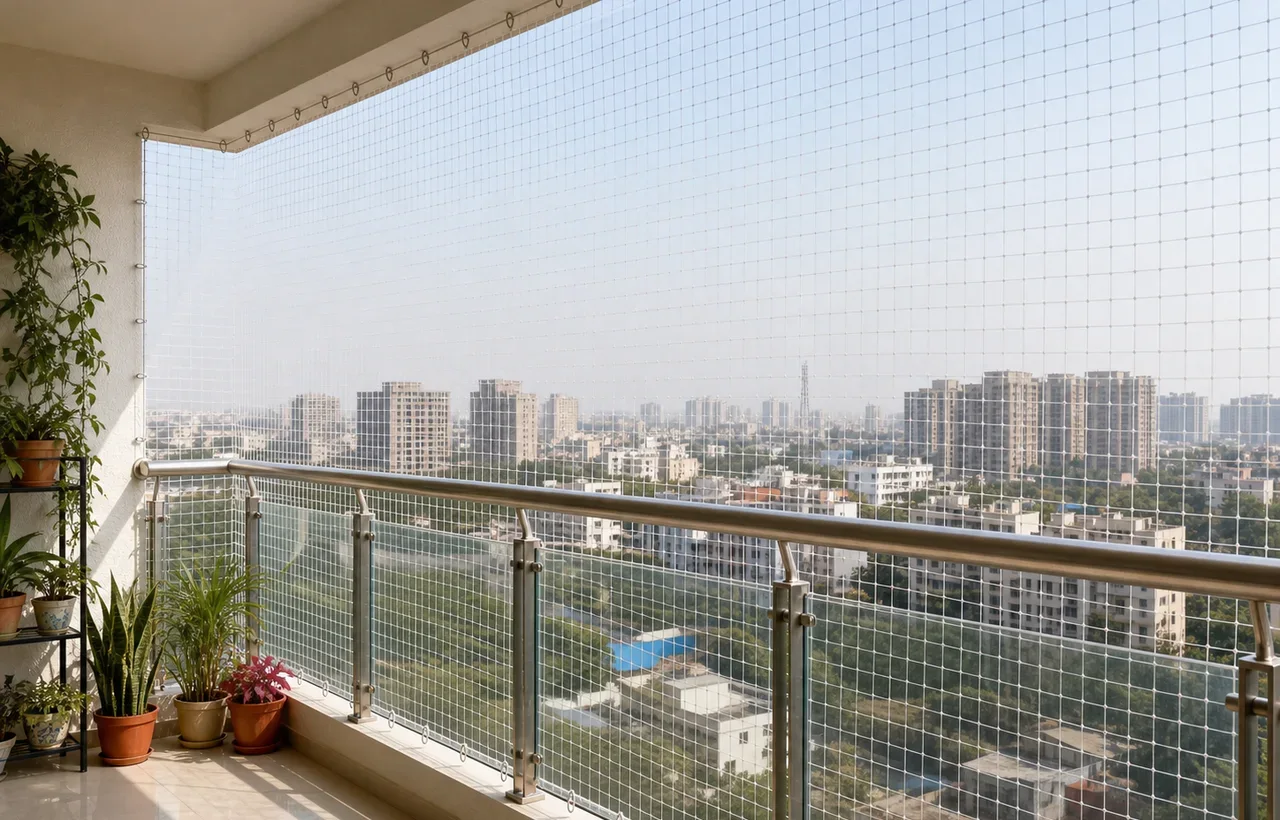
Represents the workable east-Bangalore housing pattern shaping balcony routine here.
Local service page
At Kodihalli, a balcony behaves less like a destination and more like a comma in the day. Residents step out to check traffic, air the room, take a call or pause between tasks along an airport-side urban routine. Because no visit feels long, the front can become ordinary before anyone reviews how a child or pet reaches it. Balcony safety nets in Kodihalli should close that daily-use edge while keeping a compact apartment bright, ventilated and easy to operate. The survey must include road-facing rail gaps, side returns, furniture, overhead fixing and doors or windows that need clearance. Mesh should follow the actual user, and anchors should suit verified structure rather than glass or finish chosen for convenience. Owner or association permission and an itemised price complete a practical decision. The goal is not to transform the balcony into a leisure space, but to make its brief everyday role more dependable.
Compare before deciding
This page stays focused on what usually changes around Kodihalli. If you are still comparing material, price, safety fit, or nearby visit options, the Bangalore Balcony Safety Nets guide gives the broader picture before you call. You can also browse the Bangalore area guide when you want to check nearby local pages.
City guide
Compare Balcony Safety Nets materials, fitting choices, price factors, and visit planning across Bangalore.
This area
Use this page when the opening, building access, or daily routine around Kodihalli is the main concern.
Nearby options
Move between the city guide and local pages when you want either a wider view or a closer match.
Nearby Practical-City Context
these nearby locality and local cues help show the practical airport-side pattern around Kodihalli, where road-facing pauses, quick balcony use and repeated daily routine can make the edge feel too ordinary to review properly.
Represents the workable east-Bangalore housing pattern shaping balcony routine here.
Explains the road-aware daily rhythm that shapes short-use balcony behavior in this locality.
The balcony here feels urban and useful rather than scenic. That usefulness is what hides the edge.
People searching for balcony safety nets in Kodihalli, Bangalore want a safer edge for children or pets without making an already day-to-day front feel heavier or closed in.
Service visual guide
These representative images support the written guidance below; the exact opening still needs its own measurement and access check.
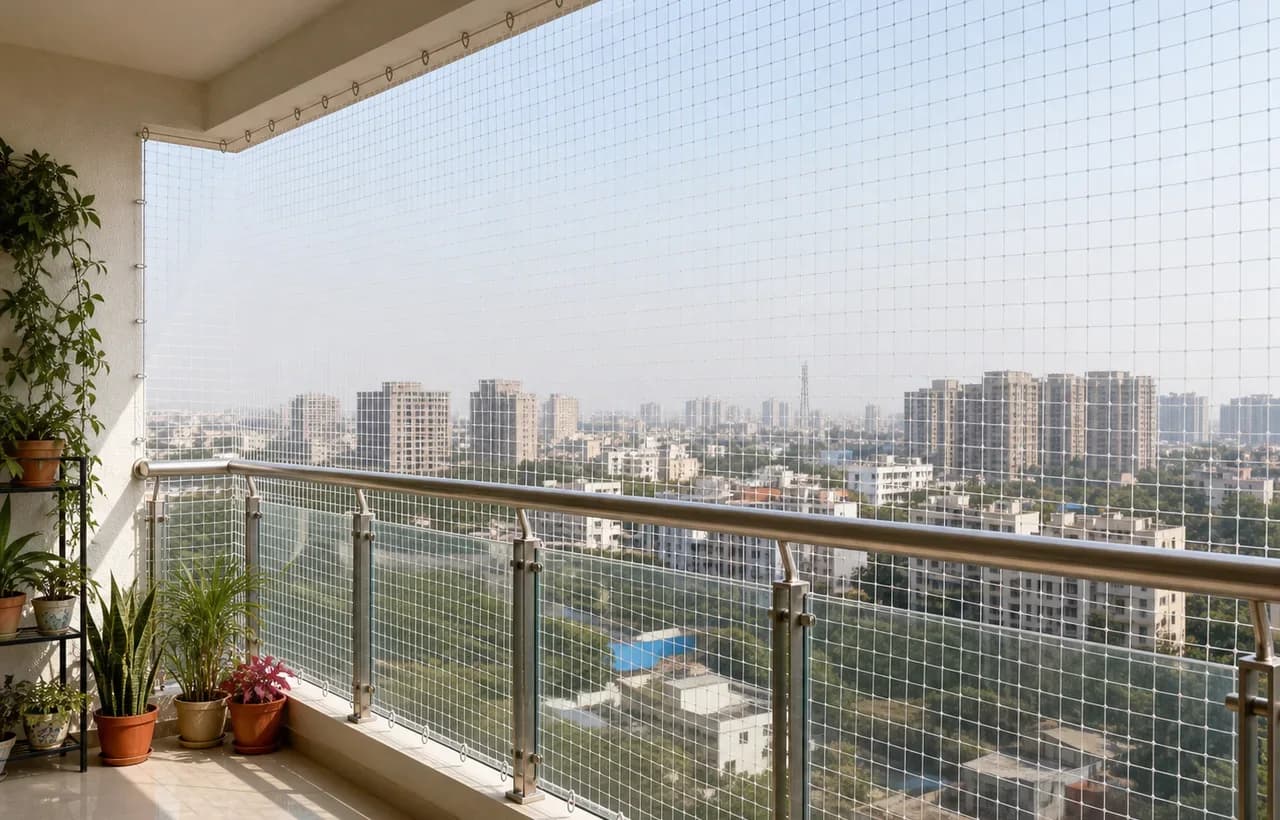
Representative opening view
Use this reference when sharing the opening span and return corners.
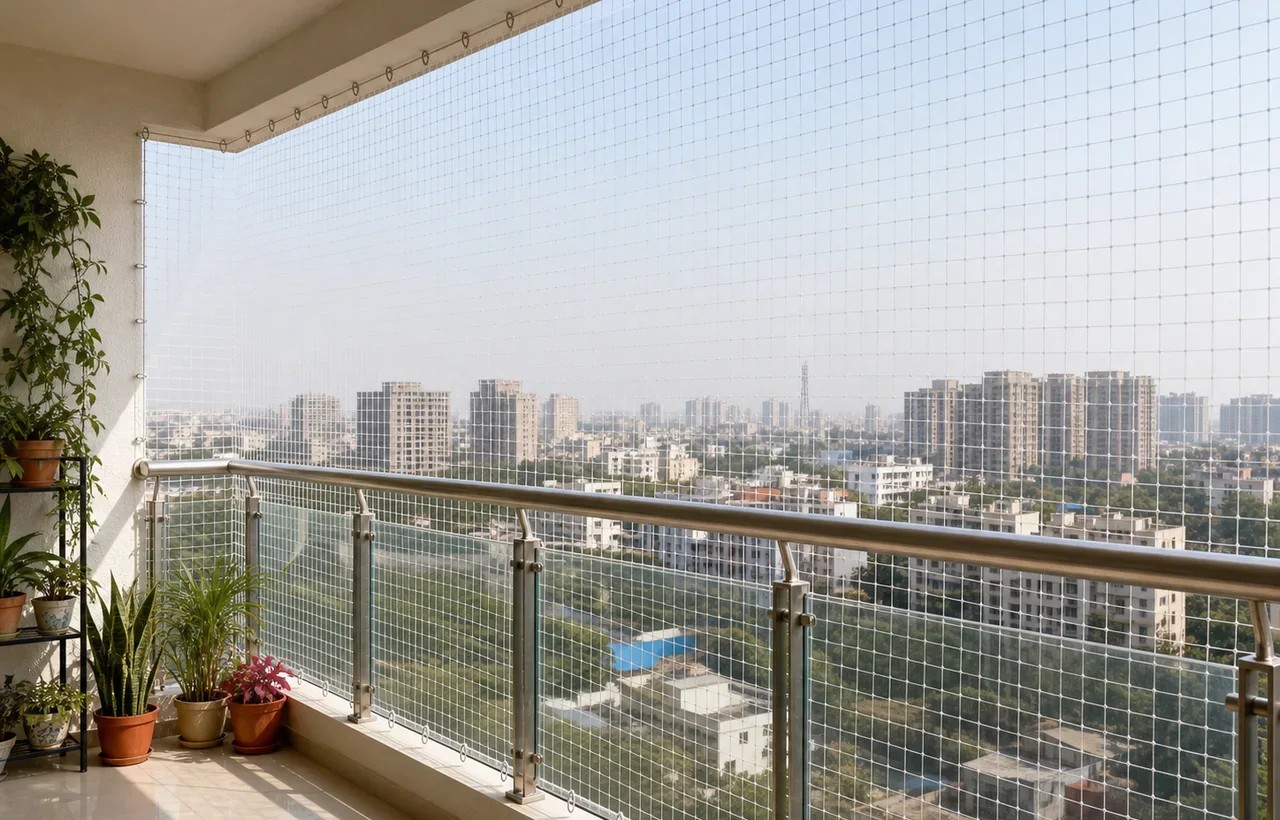
Installation planning view
The exact edge condition and anchor position are confirmed on site.
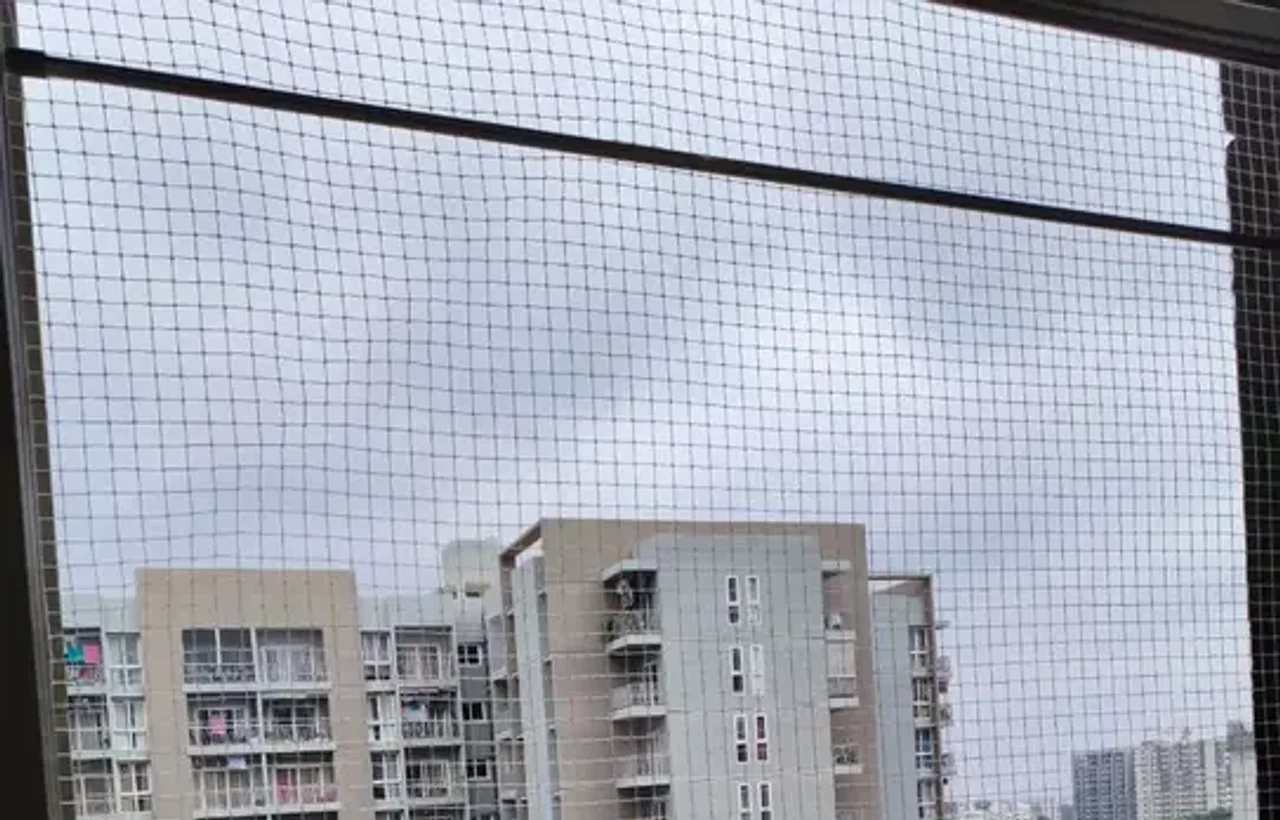
Fit and access reference
Final appearance depends on the measured opening and everyday access needs.
Local fit
In Kodihalli, quick real balcony use, urban movement and road-aware routine can make the front feel too normal to question as an edge.
A well-fitted balcony safety net helps make that usable city-side front safer for children, pets and everyday use without making the space less usable.
Kodihalli works best when the guidance sounds like real airport-side urban living, not like same recommendation everywhere well-finished or quiet-family copy. The key trigger is ordinary-use normalization.
Area fit
A stronger Kodihalli page explains how the balcony can become part of daily city rhythm rather than stay mentally visible as a separate edge.
Nearby landmarks
Useful for apartments and homes across Kodihalli
Relevant where short pauses, road-facing reviews and pet or child use keep the balcony active
Keeps the edge safer without making a day-to-day front harder to use
Especially useful where repeated small-use behavior has normalized the front too much
Booking Detail
Starting from ₹20 per sq ft, including installation. The final estimate follows the measured scope and selected product. Confirm any upgrades, removal, repairs, special access or additional supports separately.
balcony width, side returns and utility-span coverage
floor height, wind exposure and outer-facade access
glass, railing or parapet condition
tower or gated-community fitting rules
whether the balcony is used for children, pets, sit-out or drying
In Kodihalli, the balcony functions through many brief pauses rather than long stays.
A usable city-side front still needs a proper read of span, side returns and edge condition.
The fit should support real household rhythm without making the balcony less useful.
The goal is a safer edge that still works naturally inside a Kodihalli home.
Best fit
usable city balconies
Kodihalli demand is most fitting where the front is used many times in short usable ways.
Main pressure
Routine normalization
The balcony becomes part of daily life rather than a separate edge that gets reviewed.
estimate driver
Exposure + use pattern
Opening type, exposure and the way the balcony is used each day shape the estimate strongly.
Kodihalli customers want a safer edge that still works inside fast workable city life. The guidance works when it treats usability as central.
Works well for: Urban fronts needing lighter everyday child or pet safety
They suit Kodihalli best when the household wants safer use without making the front feel awkward or heavy.
Works well for: Homes wanting a stronger permanent finish decision
They fit when the customer prefers a more structural front solution and is comfortable with the commitment.
Works well for: Bird-entry pressure on utility or side openings
They help hygiene issues, but Kodihalli's main balcony question is about safe real everyday use.
The better angle is short repeated use making the front feel harmless.
Utility and timing matter more here than calm sit-out language.
Kodihalli has a strong airport-side workable apartment pattern
Balconies are used in short repeated ways throughout the day
customers want a safer usable answer without losing convenience
Fit
They make sense when the balcony is part of quick daily workable routine and needs a safer edge without becoming harder to use.
Compare
The common comparison is between a lighter day-to-day safety layer and a heavier front change that may not match the home's daily reality.
plan
Photos of the opening, road-facing condition and whether the main trigger is children, pets or repeated daily use sharpen the estimate quickly.
Its balcony pressure comes from ordinary repeated use, not from long calm sit-out behavior.
They are balancing safer family use against the need to keep a day-to-day front easy and usable.
That is why the guidance should feel direct and functional.
It speaks to road-facing pauses, quick-use rhythm and everyday urban apartment behavior instead of flattening Kodihalli into loose city description.
That gives the guidance a much more honest local voice.
Kodihalli's short-use pattern means attention often remains on traffic, a phone or the next task indoors. A child or pet can follow toward the same road-facing corner while chairs, bags or drying equipment alter the route. The survey should measure the permanent opening behind those temporary objects, including the area above a rail and narrow wall returns. Door, window, drain and cleaning access must remain usable. Netting should not be positioned so residents loosen it for ordinary ventilation or street checks, and furniture should never be treated as a dependable barrier.
The fixing plan comes from substrate inspection. Sound concrete, masonry or suitable metal may accept appropriate anchors, while glazing, cladding, pipes, tile and weak plaster need caution. If support is missing, a frame or alternate line should be disclosed. Child and pet needs also differ from pigeon exclusion. Compared with a net, an existing grill or invisible cable system is rigid and has another spacing, visual line and cost. Kodihalli customers should compare complete coverage and approved anchors rather than choosing from urban style or a single advertised material term.
Send the Kodihalli pocket, floor, full photographs, every corner and approximate dimensions for an estimate. Site measurement should establish final quantity. Prices normally start from ₹20 per sq ft, while mesh, perimeter detail, substrate, exterior access, frames and minimum-job terms affect the total. Request unit price, area, hardware, labour and exclusions. Old Airport Road proximity does not make buildings technically identical, and one cropped road-facing image cannot reveal the overhead edge or utility return required for a complete estimate. Each access assumption should be documented before confirmation by both parties beforehand.
Confirm drilling time, technician entry, common access and landlord or association approval before planning. At handover, inspect the corners and make sure windows and doors retain their agreed movement. Keep chairs, plant stands and drying equipment clear, and never lean or attach loads to the net. Review after painting, window servicing or impact, and clean gently as road dust gathers. Kodihalli's brief-use habit makes a scheduled inspection helpful because residents may otherwise pass the balcony repeatedly without pausing long enough to notice changed tension. Record that inspection for continuity too.
A traffic check, phone call or moment of ventilation can bring an adult toward the road-facing corner while a child or pet follows. Bags, chairs and drying equipment alter that route even when each visit lasts only minutes. The survey should measure permanent gaps above the rail, lower corners and narrow wall returns behind movable objects. Windows, doors, drains and cleaning access need to remain usable. A Kodihalli safety-net plan should support the balcony's brief everyday role without relying on furniture placement or encouraging residents to loosen a section for ordinary airflow. Observe the balcony during its brief traffic-check routine, noting which stool, rack, or pet bed shifts towards the edge.
Confirm association or landlord approval, contractor entry, drilling times and common-area access before planning. High-floor or exterior returns need a declared safe method. The technician should identify sound concrete, masonry or approved structural metal and avoid glazing, cladding, pipes, tile and weak finish. If no dependable top edge exists, any support should be documented. This access-and-substrate plan keeps a compact airport-side apartment practical while ensuring a convenient, visually light perimeter is not achieved through unverified fixing or an omitted side route. Owner consent and association timing should be confirmed before a compact corridor-side flat clears furniture for measurement.
Kodihalli customers should request a component schedule suited to a road-facing working balcony. Name HDPE or nylon as offered, record nominal opening size and numerical strand or twine dimension, and attach the supplier document for the stated UV grade. Describe the edge cord, connectors and anchors selected after substrate inspection. Sun direction, traffic residue, rack contact and cleaning differ between buildings, so neither a polymer name nor a hand-stretched sample establishes future condition. Retain delivered-product identification with close border photographs, allowing later service to match known construction instead of choosing a similar-looking mesh through accumulated dust.
Aperture should follow child reach, a cat's climbing, dog size or a distinct pigeon concern. Finer openings can affect view and dust retention, while strand thickness does not correct weak anchors or an uncovered utility return. Ask how edge cord and fittings pass windows, rail junctions and service lines. Keep the accepted specification and handover photographs. If window work or facade maintenance later affects one section, those records help a Kodihalli provider assess compatible repair or replacement instead of relying on appearance after months of urban dust. Dust visibility, pet size, and child contact can influence aperture, but none excuses an incomplete pipe-side return.
A compact Kodihalli opening may contain several screens with unrelated duties. Framed mosquito mesh controls insects at the doorway; pigeon netting addresses bird access; privacy fabric alters views and wind; invisible grills rely on cable terminals; flexible safety mesh forms a supported child or pet boundary. List each outcome and the exact plane it occupies. A closed-looking front can still leave a pipe return or upper route untreated. Independent supports, window travel, ventilation and cleaning access should be documented so residents do not tie layers together or mistake a nuisance-control product for complete edge protection.
Invisible grills use tensioned cables with defined spacing and dedicated terminals; conventional grills are rigid metal. Flexible netting forms another supported boundary and may follow compact returns differently. Compare facade permission, corrosion, view, cleaning and child or pet behaviour. Existing bars still require upper and side openings to be measured. The suitable Kodihalli option is based on the specific road-facing geometry and approved anchors, not a neighbouring apartment's appearance or an assumption that a rigid system automatically provides more complete coverage. A narrow balcony may need more transition detailing than a broad rectangle, so compare function before apparent simplicity.
Wide photographs, corner close-ups and rough dimensions can support an early estimate, but final quantity needs on-site measurement. Request mesh, perimeter cord, anchors, added support and labour as named components. Clarify taxes, transport, minimum billing, exterior access, old-net removal and cleanup. A frontal road-facing image may not show the ceiling line or utility return. A marked photograph can define the complete Kodihalli boundary so providers price identical corners instead of offering figures based on different assumptions about the least visible part of the opening. estimates should identify every utility interruption, border, anchor, labour task, access condition, and excluded civil correction.
The Kodihalli scope should allocate owner or association permission, furniture clearing and approval for work added after services or weak finish are exposed. List every measured face, utility transition, border, anchor, support and labour item before access, tax, removal and cleanup. A phone photograph may guide the first discussion, but final quantity follows a cleared inspection of window movement and substrate. Mark variations on the same measured image and obtain written acceptance. This lets residents compare total installed responsibility and prevents building logistics, hidden preparation or the narrow traffic-facing return from moving into an improvised conversation after arrival.
During gentle cleaning, inspect visible mesh, edge cord and fittings for slack, cuts, abrasion or displacement without pulling the material. Repeat after painting, window service, AC work, facade maintenance or a furniture impact. Keep children and pets away from a changed section until competent assessment. A local defect may permit professional repair when adjacent mesh and anchors remain sound. Several worn areas, brittle strands, repeated patches or altered window geometry can make replacement more appropriate than another small correction on a compact perimeter. Check the traffic-facing edge after cleaning, AC service, painting, or rack movement, recording abrasion before it spreads.
Kodihalli warranty terms should identify covered parts or workmanship, duration, claim steps and costs for labour, travel and replacements. Ask how traffic grime, aggressive cleaners, rack abrasion, pets and third-party AC or painting work are classified. Coverage never removes the need to keep furniture clear and inspect the edge after service visits. Save the invoice, product identity, measured image and dated handover views. When reporting a concern, add photographs and recent cleaning or contractor details. This evidence separates a workmanship issue from later exposure and supports a timely decision between cleaning, compatible local repair and newly measured replacement.
Share balcony photos, floor level and whether the main concern is children, pets or repeated real balcony use. That makes the Kodihalli estimate much clearer from the start.
Plan your installation
Share photographs of the full opening, approximate measurements and your location in Kodihalli, Bangalore. Explain how you use the space so the installer can discuss a suitable layout and a clear scope.
ordinary-use normalization
A balcony used briefly many times can still be underplanned.
For visit planning: Kodihalli apartment pockets, Old Airport Road side homes, urban day-to-day fronts.
These are the practical questions households usually ask before choosing balcony safety nets in Kodihalli, Bangalore.
It can when doors, windows, drains and the complete reachable edge are planned together. The survey should see temporary objects and road-facing furniture because they alter child and pet routes. A compact opening still needs sound perimeter fixing and side-return coverage. Netting should preserve normal brief use without being detached for ventilation or cleaning.
A useful starting guide is ₹20 per sq ft Measured size, mesh, border length, corners, anchor substrate, access, support and minimum charges determine the installed total. Ask for rate, quantity, fittings, labour and exclusions. A smaller irregular city balcony may require more perimeter work than its floor area suggests.
The installer should preserve window operation and locate sound concrete, masonry or appropriate structural metal. Glass, frames not designed for load, facade panels and hidden services should not become default anchor points. Where no reliable edge exists, an alternate support should be explained. The net route must remain compatible with future window servicing.
Inspect the grill's corrosion, attachment, spacing and open areas first. Repair may suit sound bars with a clear defect; netting can close additional routes with a lighter visual line. Kodihalli residents should compare child or pet behaviour, full opening, facade rules and cost. Visible metal alone does not confirm complete protection.
If you are checking installers nearby, send the Kodihalli location, building, floor, photos, approximate dimensions and intended user. Mention window movement, road-side access, drilling rules and owner consent. This helps the provider plan a compact airport-side opening instead of quoting only the most visible rail span.
Remove dust gently without blades, heat or harsh chemicals, and never lean on the mesh. Keep furniture, drying frames and plants clear. Inspect corners and anchors periodically and after window, facade or painting work. If slack, abrasion or shifted hardware appears, restrict child and pet use until the affected section is assessed.
Around Kodihalli, a balcony question often overlaps with child movement, bird nuisance, drying-clothes use or the wish to keep the front lighter than a grill-heavy solution.
Useful when the first concern is children leaning on railings, dragging chairs near the front or reaching open corners and side gaps.
Open local pageUseful when droppings, nesting and repeated bird entry are the problem that keeps pulling attention back to the same balcony.
Open local pageUsually compared when the family wants a cleaner fixed front and is weighing appearance, openness and enclosure together.
Open local pageUseful when drying clothes is what keeps daily movement happening close to the balcony edge in the first place.
Open local page