Residential clusterKengeri core
Kengeri apartment and family-home belt
Represents the workable family-balcony pattern that shapes local enquiries.
Local service page
The metro journey ends, but the household route continues onto many Kengeri balconies. Clothes need shifting, plants need water, someone checks below before leaving again and a child or pet follows an adult into the working front. Repeated commute-and-home use makes the edge ordinary before it becomes a deliberate safety plan. Balcony safety nets in Kengeri should support that hardworking space without blocking laundry, storage, airflow or quick family pauses. The survey needs to measure rail and side gaps, overhead support, movable racks and every utility route, then identify anchors suitable for the actual structure. Child and pet behaviour should guide mesh detail. Owner or apartment permission, access timings and a written estimate should show measured area, rate, hardware and exclusions. That gives residents a practical comparison without dressing an everyday balcony in well-finished language that does not match how it is used.
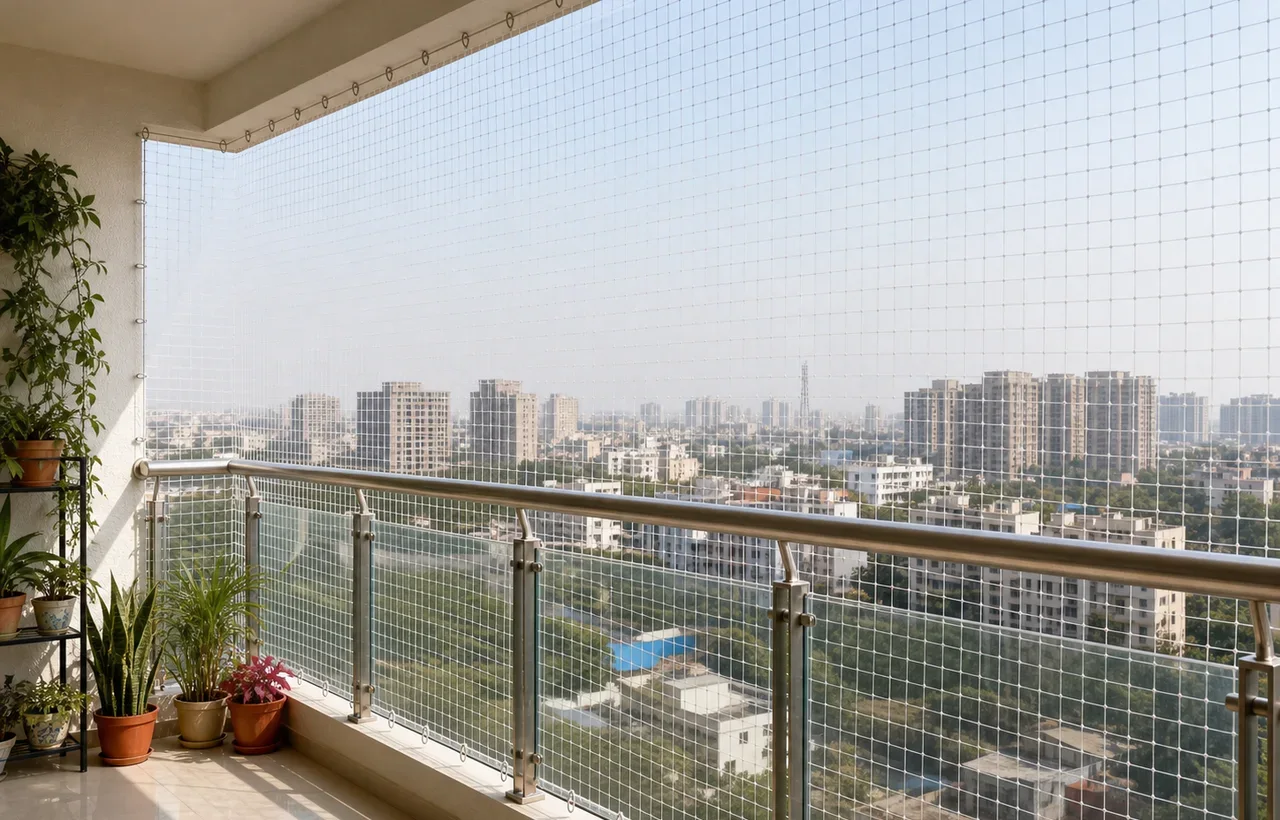
Compare before deciding
This page stays focused on what usually changes around Kengeri. If you are still comparing material, price, safety fit, or nearby visit options, the Bangalore Balcony Safety Nets guide gives the broader picture before you call. You can also browse the Bangalore area guide when you want to check nearby local pages.
City guide
Compare Balcony Safety Nets materials, fitting choices, price factors, and visit planning across Bangalore.
This area
Use this page when the opening, building access, or daily routine around Kengeri is the main concern.
Nearby options
Move between the city guide and local pages when you want either a wider view or a closer match.
Nearby Everyday-Use Context
these nearby locality and market references help show the family-apartment pattern around Kengeri, where drying lines, short return-home pauses, child movement and practical daily use can make the balcony edge disappear into routine.
Represents the workable family-balcony pattern that shapes local enquiries.
Shows how daily routine and repeated use can normalize the balcony edge.
Kengeri is not a locality where the balcony feels dramatic. It feels usable. That is exactly why the edge slips into the background.
The front becomes the place for clothes to dry, for someone to glance down before leaving, for a child to hover near an adult, for plant buckets or a quick pause after returning home. None of that feels like an urgent. That is why it stays active without enough review.
People searching for balcony safety nets in Kengeri, Bangalore are trying to make an already-hardworking family front safer without making it feel blocked, cramped or overengineered.
Service visual guide
These representative images support the written guidance below; the exact opening still needs its own measurement and access check.
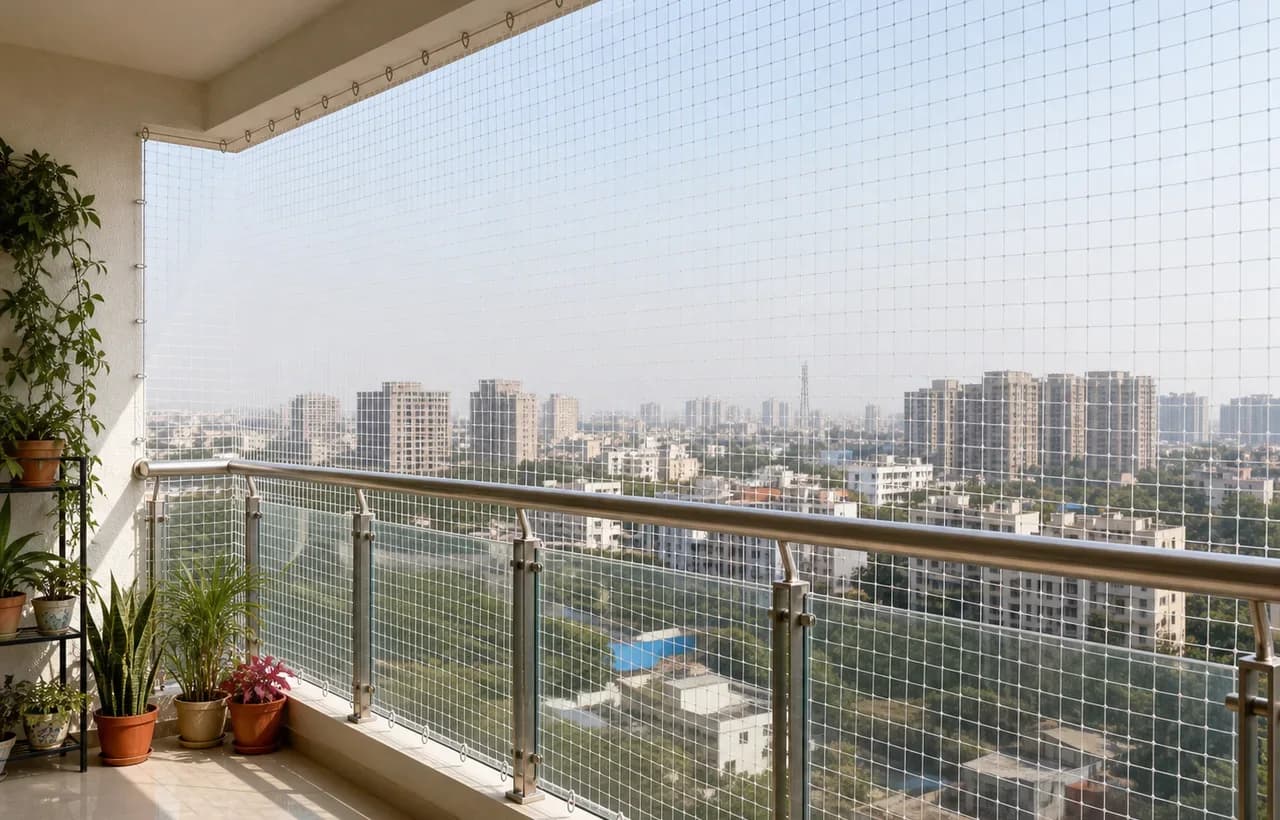
Representative opening view
Use this reference when sharing the opening span and return corners.
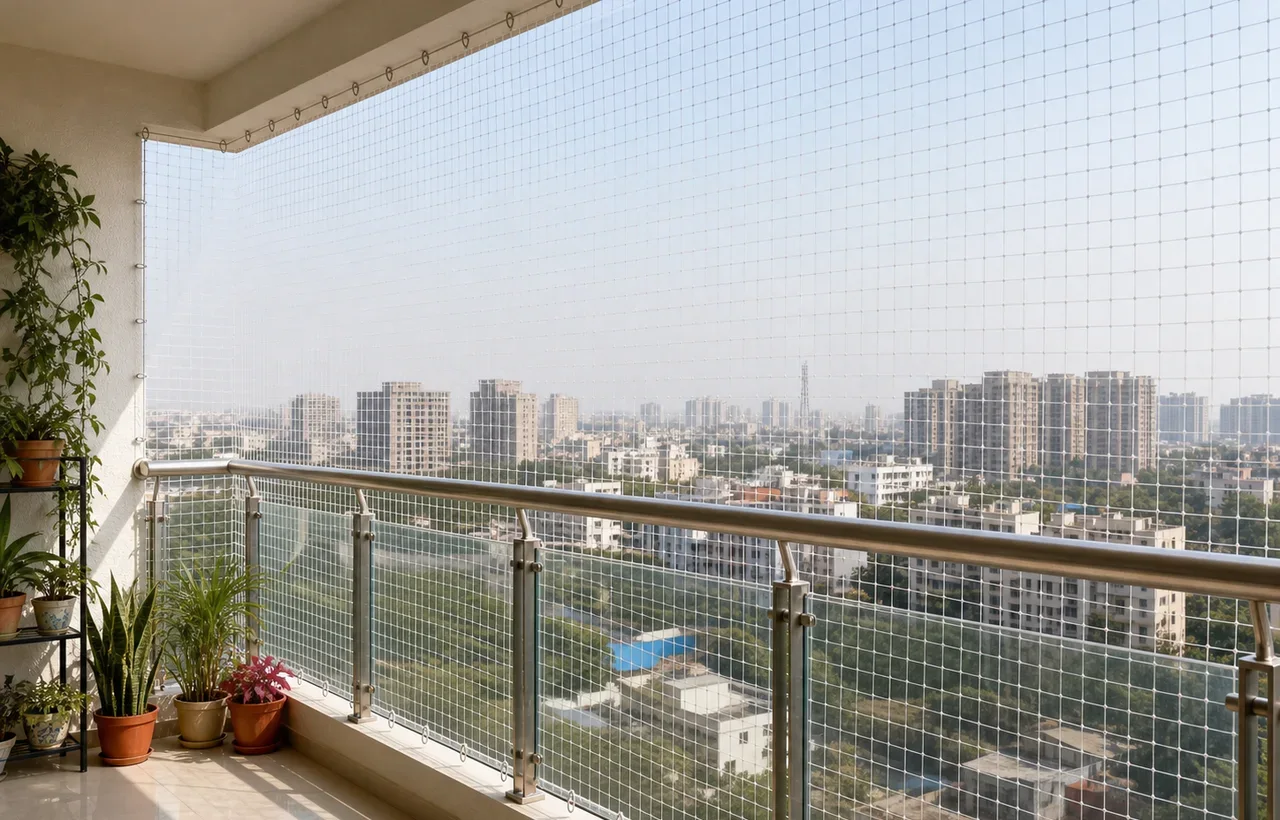
Installation planning view
The exact edge condition and anchor position are confirmed on site.
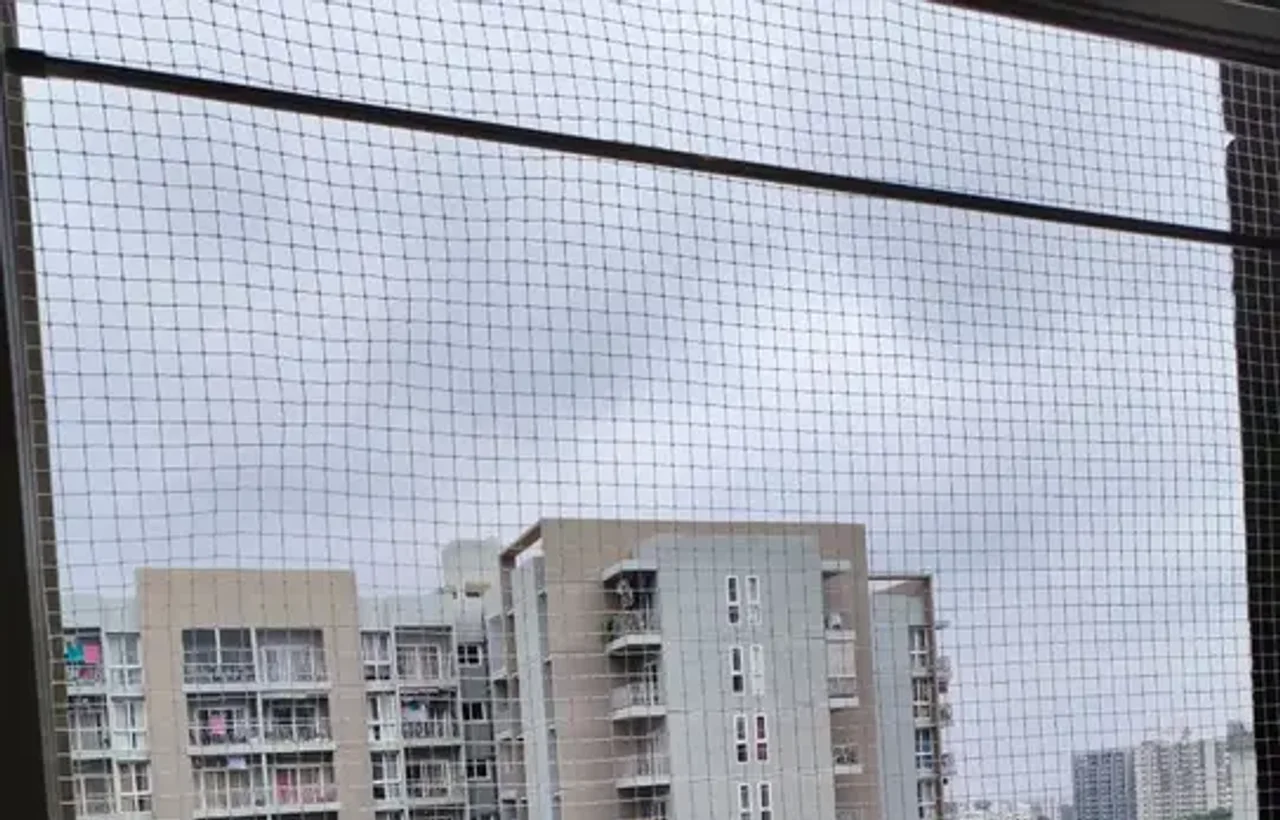
Fit and access reference
Final appearance depends on the measured opening and everyday access needs.
Local fit
In Kengeri, drying lines, return-home pauses, child movement and workable family use can make the balcony feel too ordinary to question as an exposed edge.
A carefully fitted balcony safety net helps make that active everyday front safer for children, pets and routine use without spoiling usability.
Ask about the opening, product choice, installation access and maintenance when planning balcony safety nets in Kengeri.
Area fit
A stronger Kengeri page explains that the balcony edge disappears here because it starts behaving like part of ordinary daily routine.
Nearby landmarks
Useful for apartments and family homes across Kengeri
Relevant where drying lines, child routine and quick-return pauses keep the balcony active
Keeps the edge safer without killing usable daily use
Especially useful where ordinary use has replaced fresh review
Booking Detail
Starting from ₹20 per sq ft, including installation. The final estimate follows the measured scope and selected product. Confirm any upgrades, removal, repairs, special access or additional supports separately.
balcony width, side returns and utility-span coverage
floor height, wind exposure and outer-facade access
glass, railing or parapet condition
tower or gated-community fitting rules
whether the balcony is used for children, pets, sit-out or drying
In Kengeri, the front carries drying routine, quick air breaks and child or pet movement before anyone reviews it like an exposed edge.
workable apartment fronts can hide the same side-gap issues again and again if the opening is not read properly.
The fit has to work around clotheslines, buckets, chairs and ordinary routine instead of pretending the front is purely decorative.
The goal is a safer Kengeri balcony that still feels easy to use every day.
Best fit
workable family balconies
Demand is cleanest where the front is already part of daily routine rather than occasional use.
Main pressure
Routine-based trust
The edge feels ordinary because the balcony is used again and again without feeling newly risky.
estimate driver
Opening + utility use
Opening type and how strongly the balcony carries drying or child routine shape the estimate most.
Kengeri customers are balancing safer family use against the need to keep the balcony workable, light and easy to live with every day.
Works well for: usable family balconies needing lighter visible safety
They suit Kengeri best when the goal is safer child or pet use without killing ordinary usability.
Works well for: Homes ready for a stronger structural finish
They fit when the household wants a more permanent design change and is comfortable with a stronger visible intervention.
Works well for: Bird-entry and hygiene issues
They help with nesting pressure, but Kengeri's main decision is about safer daily family use on the primary front.
The better angle is ordinary routine lowering caution.
Drying use and return-home pauses matter more than overbroad service note risk language here.
Kengeri carries strong family-apartment and daily-use signal
Balconies here stay active for drying, children and quick routine use
customers want a safer edge without losing practicality or openness
Fit
They make sense when a day-to-day family balcony is already active for drying, child use or short daily pauses and needs a safer edge without losing function.
Compare
The comparison comes down to a lighter usable safety layer and whether the balcony will still stay easy to use day after day.
plan
Photos of the opening, side-return gaps and whether the balcony is mostly used for drying, children or pets make the first estimate clearer quickly.
Its balcony pressure comes from repetition and utility, not dramatic visual risk.
They are deciding how to make a usable front safer without making it harder to live with every day.
That is why the guidance has to respect daily use rather than overwrite it.
It speaks to drying routine, return-home pauses and child movement instead of flattening Kengeri into one more apartment thin filler page.
That gives the guidance a truer local tone.
Kengeri balconies often handle tasks at the beginning and end of the day, when attention is divided. A bag, drying stand or stored item can narrow the route while a child or pet follows toward the rail. The technician needs the fixed geometry that bags and racks obscure, including the lowest return and unprotected area above old bars. Doors, drains, laundry and cleaning need planned clearance. A net that residents loosen to complete daily work does not fit the purpose, and household storage cannot substitute for continuous coverage. Photograph the evening arrangement before clearing bags or racks for access.
The fixing method follows inspected substrate, not metro proximity or building age. Sound concrete, masonry or suitable metal may accept anchors, while glass, pipes, weak plaster and unverified grills require caution. Incomplete edges may need a frame. A net creates a yielding border with a softer visual presence; repaired bars or tensioned cables impose fixed spacing and firmer construction. Kengeri families should compare child or pet routes, utility access, owner permission and full scope. A workable system is one every household member can understand and use correctly. The support description should stay simple enough for tenants and family members to follow at handover.
Which working edge must remain available after fitting sets the Kengeri estimate. Show the main and utility fronts with drying racks in place, then add the building, floor, corners and rough sizes. After measurement, the net portion can be considered around ₹20 per sq ft; pipe-side returns, older surfaces, an incomplete ceiling edge, visit access and minimum-job terms change the installed total. Give the utility opening its own support, labour and exclusion lines. A commuter reviewing the proposal can then confirm the active drying route quickly without guessing which rectangle a package price actually includes.
Confirm landlord or association consent, contractor entry, drilling hours and lift access before planning. Keep normal racks visible during the survey and inspect every return at handover. Do not attach laundry, bags or storage to the mesh, and leave furniture clear. Review after appliance service, painting or a household rearrangement. A recurring reminder fits Kengeri's travel-led rhythm, helping residents notice slack, abrasion or moved anchors before another busy return makes the change disappear into routine. Tie the check to a predictable weekend or bill date, not to spare attention after travel.
Photograph the balcony when commuters return, before bags are moved and the drying rack is folded. That occupied view reveals the narrow threshold, appliance-side route and any stool or stored item that alters child or pet reach. After clearing only what the technician needs, measure the permanent rail, lower spaces, ceiling line and pipe-side returns. Doors, drains and maintenance clearance must remain usable. Never count a rack, storage cabinet or conduit as part of the supporting perimeter. The Kengeri plan should name the family front and utility edge separately so a hurried evening routine cannot hide the more awkward opening from measurement.
Specify whether the net is HDPE, nylon or another identified polymer and obtain available evidence for the offered UV-stabilisation claim. Record aperture, strand or twine thickness, fabrication, perimeter cord and anchoring components. Laundry moisture, rack contact, urban dust and sunlight create different exposure across the opening, so the document identifies material without setting an unsupported universal life. Check the sample against the actual outlook and the rack-open condition. Keep the specification with labelled photographs of pipe clearances and retained metal, giving a later Kengeri service visit enough evidence to match or assess the installed system after appliance work.
Child protection should consider quick following from the doorway, reachable rail height and footholds created by stored objects. A pet route may concentrate below the rail or beside an appliance return. Pigeon deterrence instead follows bird entry and perching behaviour, potentially using another aperture and edge arrangement. State these purposes beside the specific main or utility opening. A net across an upper bird route cannot be treated as complete evidence for a toddler's lower access. Mapping the commute-time arrangement helps Kengeri households choose coverage that remains functional during laundry and storage tasks without expecting distracted adults to compensate for an omitted corner.
Mosquito mesh needs fine screening and sealed frames at windows or doors; privacy screen influences visibility, ventilation and exterior presentation. Invisible grills rely on tensioned metal cables, designed terminals and controlled spacing, making them rigid construction rather than flexible safety netting. If a household wants several outcomes, each component should retain its own drawing, specification and care instructions. Compare permissions and appliance access as well as appearance. A fine screen might suit an operable kitchen opening while a different perimeter addresses the working balcony. Clear names prevent a Kengeri resident approving one one-size-fits-all utility screen that cannot perform every requested role.
Confirm the worker-entry route, lift availability, drilling hours, power point and a time when one authorised adult can remain present without rushing for a train. The provider should explain tool control, dust protection and whether all tasks occur from inside the guarded side. Residents must not lean outside to guide rope or hold fittings across the rail. Any specialist exterior-access need requires a defined competent provider and separate approval. Keep children, pets and loose bags away from the work route, and do not reopen the balcony between partially completed stages. Practical scheduling protects the household without turning commute pressure into unsafe installation assistance.
Tenants need landlord consent, and apartment occupants should verify association rules for drilling, facade appearance, contractors and added frames. Show the approving party both opening drawings because utility sides can contain shared pipes, waterproofing or no-drill zones absent from the family front. Name who may accept a revised fixing path if site inspection rejects the photographed location. Where appliance or grill work must happen first, record the sequence and remeasure afterward. This permission trail enables Kengeri residents to plan one reliable appointment instead of moving racks repeatedly while installer, owner and building staff give different instructions.
Send wide images of the main and utility balconies during ordinary use, then include upper lines, pipe returns, thresholds, rough dimensions, floor and intended child or pet concern. Those details support an early estimate and flag access conflicts. They cannot confirm the strength behind repaired plaster, the exact border length or concealed services, so final measurement remains essential. The technician should reconcile the physical survey with the remote response, identifying any opening, support or preparation newly added. A labelled change is easier to approve during a busy week than a higher total that offers no clue whether the difference came from geometry or omitted work.
The final estimate should separate measured mesh, perimeter rope, anchors, labour, access protection and supports for each Kengeri opening. Define inclusions or exclusions for old-net removal, grill repair, masonry, painting, appliance movement, waterproofing, disposal and tax. Minimum-work terms and variation approval need plain language, as a compact utility front can carry more detailed border labour than its centre area suggests. State who clears and restores racks. This format lets a commuter compare complete proposals quickly while ensuring a low headline does not omit the pipe-side corner, owner approval dependency or cleaning required before laundry use resumes.
Handover should include photographs of every corner with the drying rack both open and folded, plus product details, the approved drawing, invoice and warranty. Written warranty terms need a duration, covered items, claim channel and exclusions, particularly for appliance contractors or accidental cuts. Never attach laundry, bags or storage loads to the mesh, and maintain clearance from sharp rack ends. Choose a recurring weekend, bill date or cleaning task for visual inspection rather than hoping someone remembers after travel. A simple main-and-utility checklist lets different household members review the same Kengeri points without interpreting an installer message from memory.
Inspect again after plumbing, appliance service, painting, welding, rack replacement or an impact. Look for sagging, abrasion, damaged twine, altered cord and moved hardware from inside, without pull-testing. A small defect may permit professional repair if surrounding material and supports remain serviceable; widespread ageing, repeated patches or changed geometry may need replacement. Do not tie a loose return to a pipe or conceal it behind drying clothes. Restrict child and pet access until assessment, then record the affected opening, date and decision. This history distinguishes a monitored repair from an unresolved issue during the next tenancy or commute-season rearrangement.
Share balcony photos, edge type and whether the main concern is drying use, children, pets or short daily routine. That makes the Kengeri estimate clearer from the first reply.
Plan your installation
Share photographs of the full opening, approximate measurements and your location in Kengeri, Bangalore. Explain how you use the space so the installer can discuss a suitable layout and a clear scope.
routine-based overtrust
An ordinary balcony can still hide a live edge.
For visit planning: Kengeri apartment balconies, drying-side family fronts, usable daily-use homes.
These are the practical questions households usually ask before choosing balcony safety nets in Kengeri, Bangalore.
It should preserve doors, drains, laundry and cleaning when those routes are included in the survey. The complete reachable opening still needs coverage behind movable racks and storage. Child and pet access should be assessed during ordinary use. Residents should not loosen the net or use it to support household tasks.
Kengeri customers should identify the drying-side and family-side openings before discussing one total. Once each route is measured, ₹20 per sq ft is the indicative net portion. Pipe clearances, older surfaces, ceiling support and visit access may change installation. Ask for a distinct utility line with its fixing, labour and exclusions so a commute-time approval does not omit the working edge.
The installer should locate sound concrete, masonry or suitable structural metal while avoiding pipes, glass, loose finish and appliance panels. Doors, drainage and future service need clearance. If an edge lacks support, a frame may be proposed. Its route, appearance and price should be agreed before installation.
Test the choice against the jobs performed after a commute. A flexible net line may suit a drying-side opening, while an existing-grill repair or cable layout changes rigidity, spacing and service clearance. Compare what happens when racks unfold, children or pets follow adults, and appliance access is needed. For a Kengeri household, the workable system is the one ordinary utility use will not tempt anyone to loosen.
A Kengeri search nearby should show the working balcony during a real drying cycle. Send the building, floor, main and utility fronts, rough sizes, pipe-side corner and intended child or pet use. Add rental or association consent and the available drilling window. The provider can plan around commute timing and service clearance instead of pricing the bare rail between chores.
Tie inspection to regular cleaning or a calendar reminder. Check corners, mesh tension and anchors after appliance, painting or repair work. Keep racks and storage clear and never load the net. Any fray, loss of tension or displaced attachment should put the working balcony out of child and pet use pending a service check.
Around Kengeri, a balcony question often overlaps with child movement, bird nuisance, drying-clothes use or the wish to keep the front lighter than a grill-heavy solution.
Useful when the first concern is children leaning on railings, dragging chairs near the front or reaching open corners and side gaps.
Open local pageUseful when droppings, nesting and repeated bird entry are the problem that keeps pulling attention back to the same balcony.
Open local pageUsually compared when the family wants a cleaner fixed front and is weighing appearance, openness and enclosure together.
Open local pageUseful when drying clothes is what keeps daily movement happening close to the balcony edge in the first place.
Open local page