Residential corridorHosa Road core
Hosa Road apartment corridor
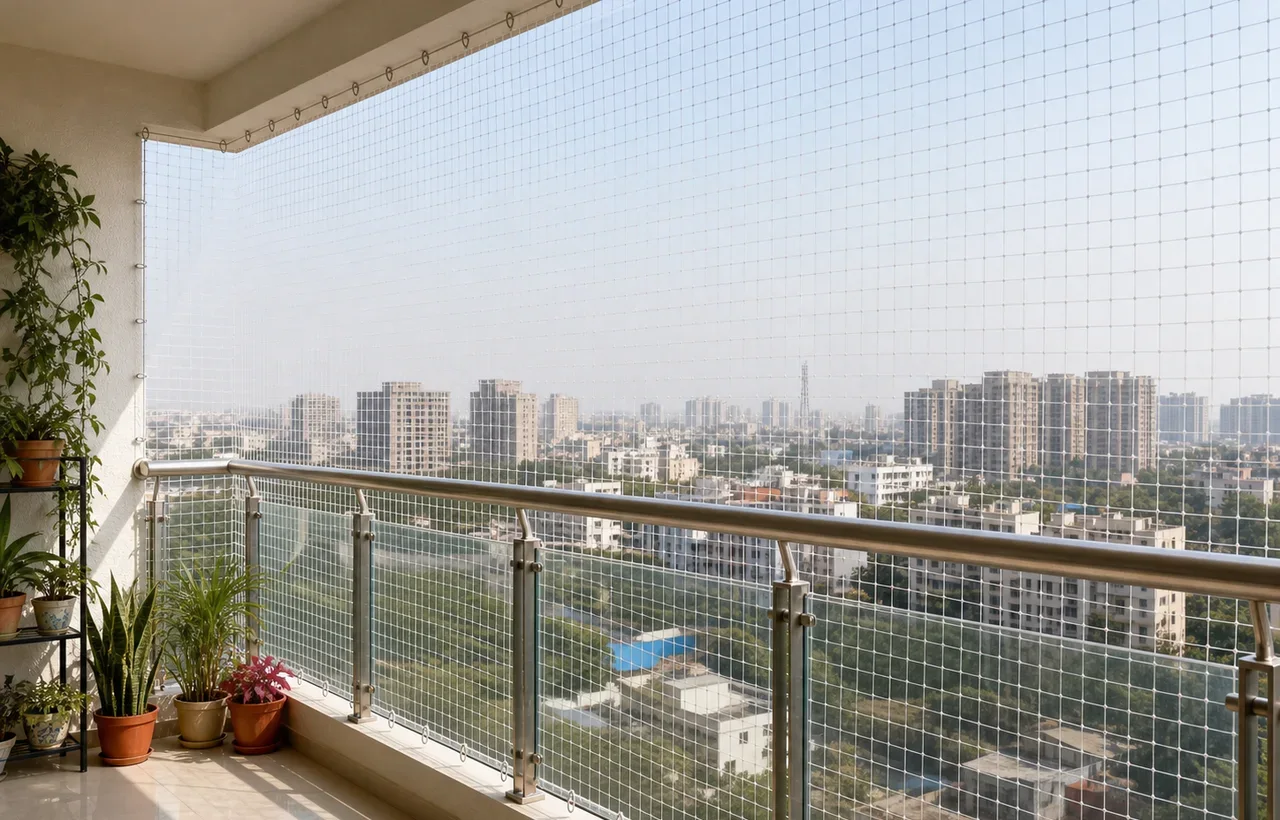
Represents the newer family-tower pattern where move-in and settling-stage balcony use overlap heavily.
Local service page
Cartons often reach a Hosa Road balcony before a safety plan does. New handovers, partial move-ins and utility setup create a front filled with temporary chairs, drying stands, packaging and the first routines of family life. The balcony is functioning, but mentally it still belongs to the unfinished home. Balcony safety nets in Hosa Road should close that planning gap without making settling in more complicated. The survey needs to see the normal move-in arrangement, record rail and side gaps, identify structural fixing edges and preserve appliance, drainage and cleaning access. A child or pet can begin using the opening on the first occupied day, so material selection should follow present behaviour rather than a future furniture plan. Owners and tenants should confirm developer or association rules before drilling. A measured estimate that lists mesh, anchors, installation, access and any frame work gives the household one completed decision while the rest of the apartment continues to take shape.
Compare before deciding
This page stays focused on what usually changes around Hosa Road. If you are still comparing material, price, safety fit, or nearby visit options, the Bangalore Balcony Safety Nets guide gives the broader picture before you call. You can also browse the Bangalore area guide when you want to check nearby local pages.
City guide
Compare Balcony Safety Nets materials, fitting choices, price factors, and visit planning across Bangalore.
This area
Use this page when the opening, building access, or daily routine around Hosa Road is the main concern.
Nearby options
Move between the city guide and local pages when you want either a wider view or a closer match.
Nearby Handover-Stage Context
these nearby locality and local cues help show the newer apartment corridor around Hosa Road, where handover-stage living, drying setup, cartons, child movement and move-in routine can make the balcony active before it feels properly planned.
Represents the newer family-tower pattern where move-in and settling-stage balcony use overlap heavily.
Shows the commute-linked routine that shapes quick balcony pauses and real daily use.
That creates a specific balcony psychology. A front starts functioning immediately, but the family still thinks of it as part of the unfinished setup.
People searching for balcony safety nets in Hosa Road, Bangalore want a safer edge quickly without complicating a home that is still settling into itself.
Service visual guide
These representative images support the written guidance below; the exact opening still needs its own measurement and access check.
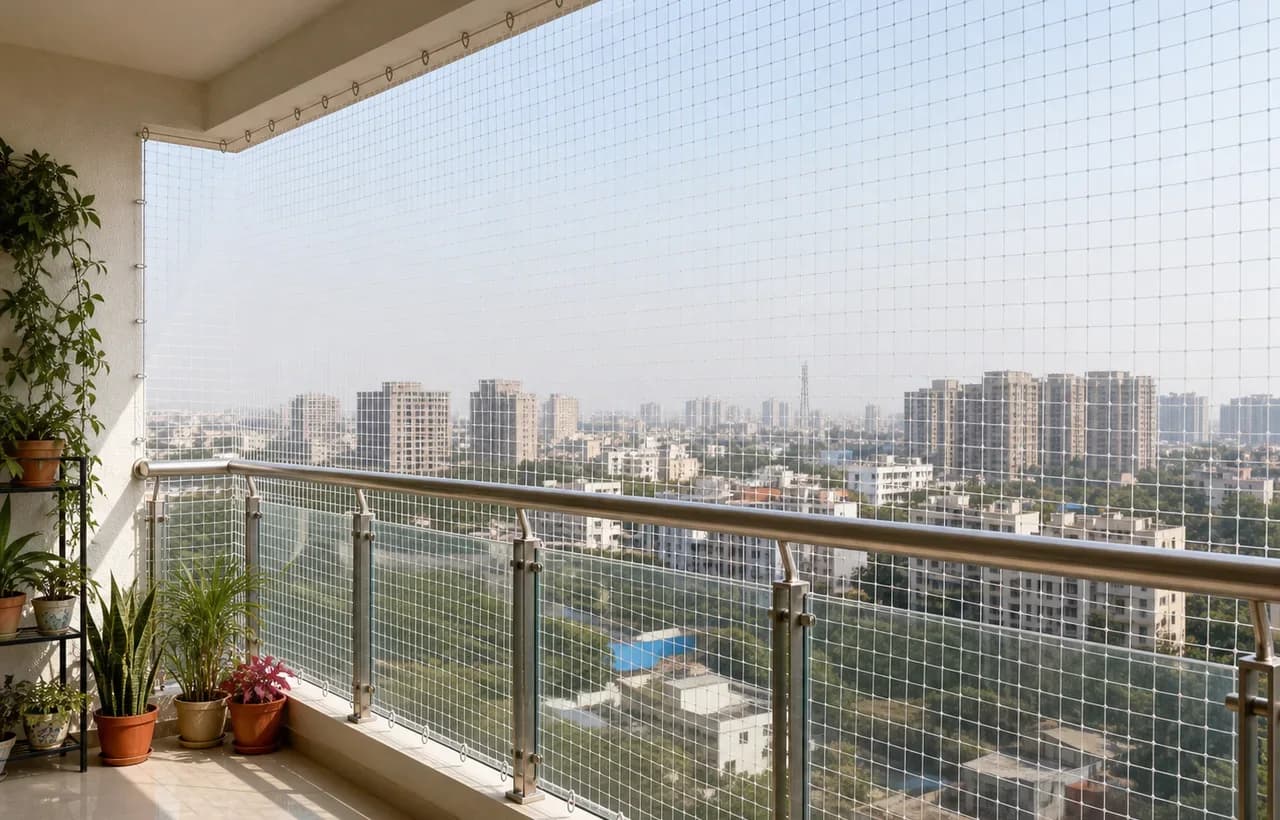
Representative opening view
Use this reference when sharing the opening span and return corners.
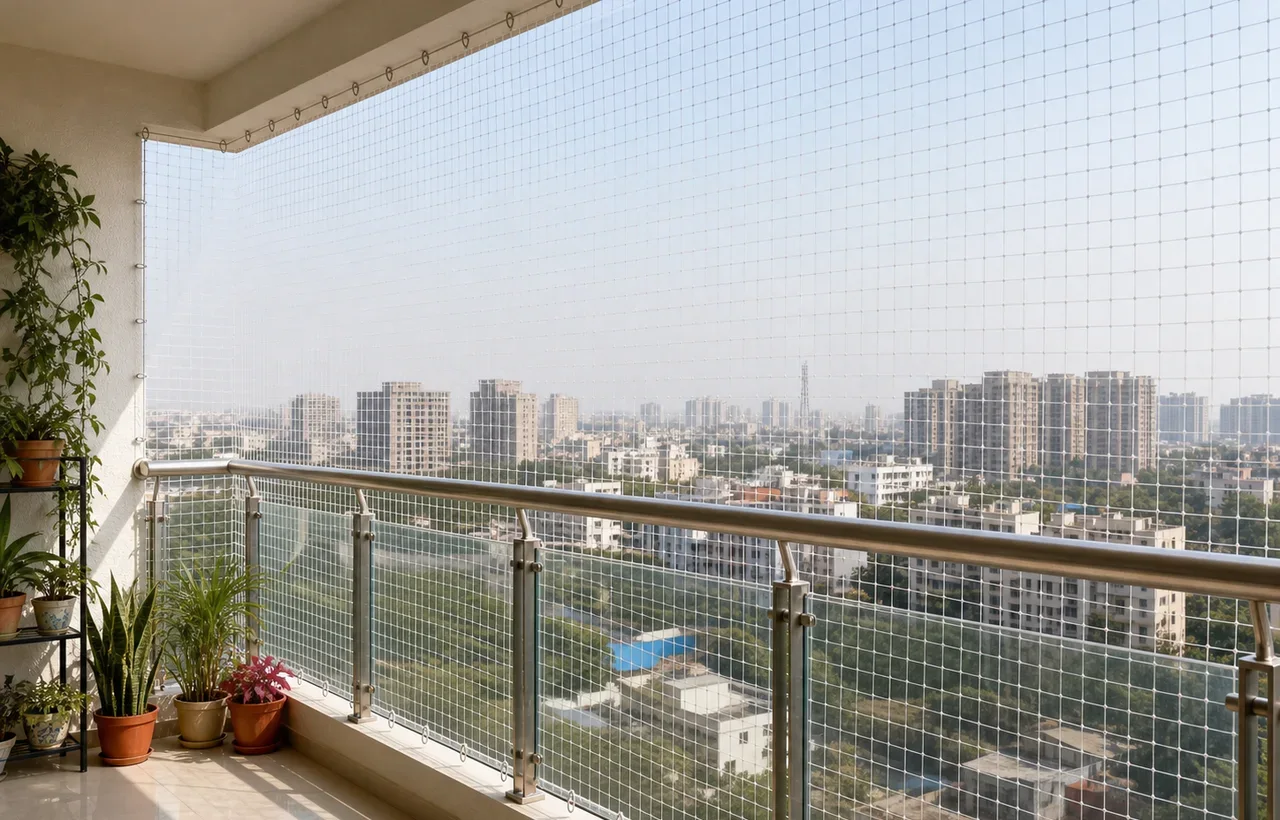
Installation planning view
The exact edge condition and anchor position are confirmed on site.
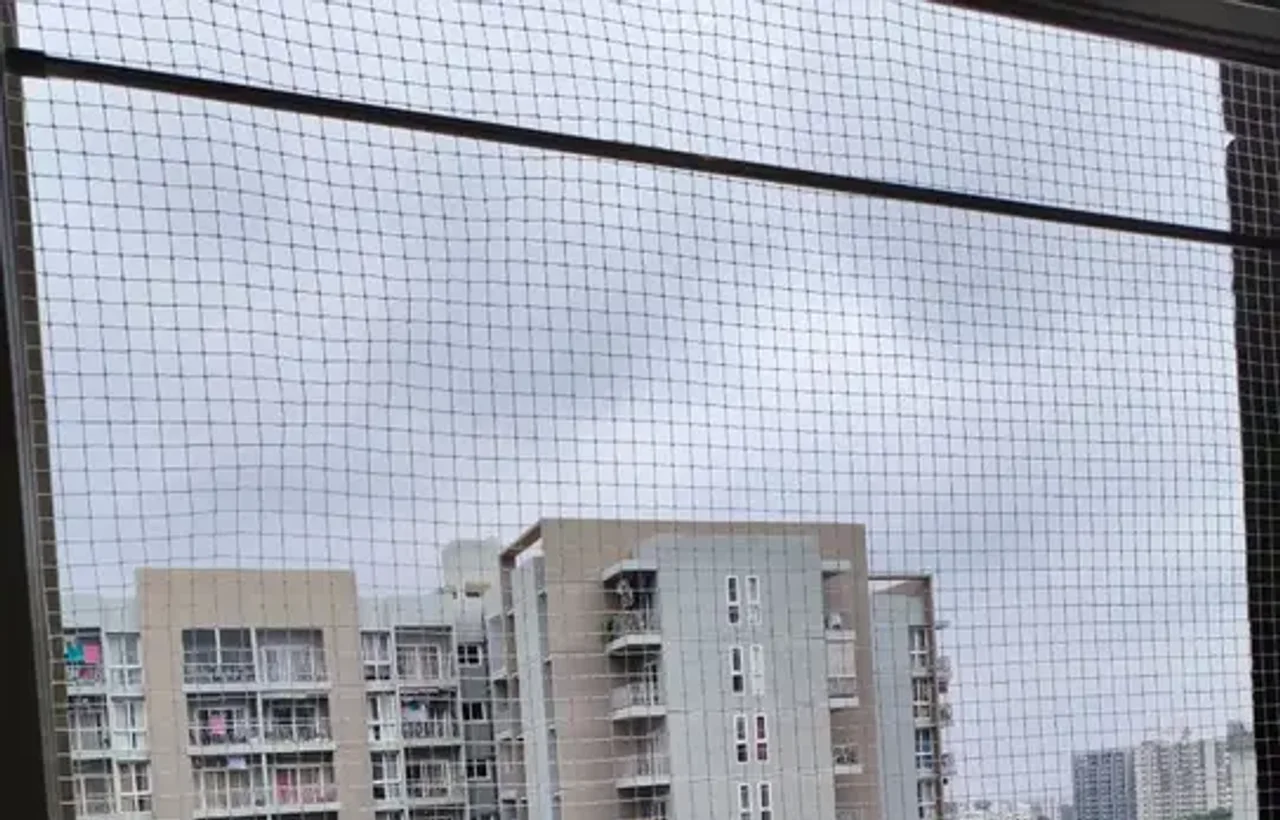
Fit and access reference
Final appearance depends on the measured opening and everyday access needs.
Local fit
In Hosa Road, newer apartment occupancy, cartons, drying setup, child movement and unfinished planning can make the balcony feel like something that will be dealt with later.
A carefully fitted balcony safety net helps make that already-active front safer for children, pets and everyday use without slowing down move-in practicality.
Hosa Road works best when the guidance sounds like new-handover tower life, not old-family-home or luxury-villa copy. The real trigger is settling-stage delay.
Area fit
The more believable Hosa Road page explains that people start living with a balcony before they ever feel finished planning it.
Nearby landmarks
Useful for newly occupied apartments and family towers across Hosa Road
Relevant where move-in clutter, drying setup and child routine have made the balcony active before planning catches up
Keeps the edge safer without making a new home feel more difficult to settle into
Especially useful where the balcony has become a working space before it feels finished
Booking Detail
Starting from ₹20 per sq ft, including installation. The final estimate follows the measured scope and selected product. Confirm any upgrades, removal, repairs, special access or additional supports separately.
balcony width, side returns and utility-span coverage
floor height, wind exposure and outer-facade access
glass, railing or parapet condition
tower or gated-community fitting rules
whether the balcony is used for children, pets, sit-out or drying
In Hosa Road, the balcony decision depends on whether the space is still being treated like temporary setup or already as daily life.
A newer balcony can quickly become part of household routine before anyone has looked at the front with fresh eyes.
The fit should support the exact way the family is already using the balcony in the settling phase.
The aim is a safer edge that still feels real inside a home that is actively being lived in.
Best fit
Newly occupied balconies
Hosa Road demand is cleanest where balcony routine begins before planning feels complete.
Main pressure
Move-in delay
The edge feels like part of unfinished setup even after daily use has already started.
estimate driver
Use stage + front type
How occupied the home is and how the balcony is already being used shape the estimate most strongly here.
Hosa Road customers want a workable answer that fits a home still settling into daily life. The guidance works when it keeps that move-in reality in view.
Works well for: Newer apartment fronts needing quick flexible family safety
They suit Hosa Road best when the household wants a safer edge without turning move-in life into a bigger project.
Works well for: Homes ready for a more permanent finish-stage decision
They fit when the family feels past the transition phase and wants a stronger design-led front solution.
Works well for: Bird-entry pressure on utility and drying balconies
They help hygiene issues, but Hosa Road's main balcony question is about child or pet-safe everyday use in a newly occupied home.
A stronger angle is move-in-before-finish behavior.
Utility setup and early use matter more here than polished well-finished-front language.
Hosa Road has strong newer apartment and handover-stage housing cues
Balconies start getting used before the family feels done setting up the home
customers want a quick safer edge without slowing daily settling routine
Fit
They make sense when the balcony is already active in a newer home even though the household still sees the whole front as part of ongoing setup.
Compare
The decision sits between solving the edge now with a workable fit or postponing it again because the home still feels mid-transition.
plan
Photos of the front, side gaps and how much the balcony is already being used for drying, children or pets make the estimate much sharper.
Its balcony pressure comes from move-in momentum and unfinished planning, not from long-settled routine alone.
They are balancing safer everyday use against the need to keep a newly occupied home easy to live in.
That is why the guidance should feel real and supportive rather than dramatic.
It speaks to cartons, drying, early family use and transition-stage setup instead of flattening Hosa Road into all-area pitch tech-corridor language.
That gives the guidance a much more honest local voice.
Hosa Road move-in balconies rarely stay arranged as they appear during the first estimate. Cartons leave, appliances arrive, drying stands shift and a temporary stool becomes regular furniture. The technician should measure the permanent opening rather than design around objects that will disappear. Side returns, lower rail gaps, space above the parapet and utility corners all need coverage, while the door and drain must remain usable. Residents should also identify scheduled AC, window or washing-machine work so the net does not block technicians or get cut during the next stage of setup.
New paint and clean glazing do not confirm a suitable anchor surface. The installer should distinguish structural concrete, masonry or approved metal from facade panels, waterproofing, glass and service lines. If no continuous edge exists, an added support should be described before work. Mesh opening and border details follow the user: a climbing pet and a child using move-in boxes as steps present different routes. Netting can be compared with invisible grills for a new-home finish, but owner plans, rigidity, cable spacing, budget and community rules should guide that choice.
An initial Hosa Road request should include the project or pocket, floor, photographs of the entire opening, each corner and overhead edge, plus approximate dimensions. Final measurements set the quantity. Rates usually start from ₹20 per sq ft, with mesh, perimeter complexity, high-floor access, supports and minimum-job terms affecting the total. Ask for unit rate, area, hardware, labour and exclusions. If multiple utility or main balconies are required, list them separately so a convenient estimate does not quietly omit the less photogenic working opening. Pending service access should be identified too.
Recently handed-over communities may have active contractor systems, but residents should still confirm drilling hours, worker registration, facade restrictions and lift access. Tenants need owner consent. Once fitted, keep cartons, ladders and appliance packaging away from the mesh and review anchors after any remaining interiors work. Do not assume a carpenter, painter or service technician will understand the perimeter. At handover, learn which signs require assessment, including slack, abrasion and shifted hardware. A simple move-in checklist can keep the net visible until the household settles into a stable routine safely.
Move-in photographs are useful when they show the whole balcony rather than a clear patch between cartons. Include railings, both returns, overhead structure, sliding doors, utility pipes and items awaiting installation. Rough measurements can support an initial figure, but the provider should verify area and substrate after obstructions are understood. The final Hosa Road estimate needs separate lines for mesh, border cord, fittings, support work and labour. It should also clarify travel, tax, minimum charges, access equipment, old-net disposal and cleanup so a convenient mobile estimate is not mistaken for a complete installed scope.
Main and utility balconies should be identified separately, especially when the laundry opening is less visible in move-in photographs. Record who moves cartons, whether an appliance technician needs access first and how an unexpected concealed service will change the plan. New communities may require worker registration, service-lift planning, drilling windows and facade approval; tenants add owner consent. A marked photograph can align the installer, resident and facility team on each included corner. Payment and handover then relate to a verified Hosa Road boundary rather than a number calculated before the household or its service routes were fully in place.
A child or pet can reach the balcony before permanent furniture arrives. Folding stools, delivery boxes and drying stands move constantly during this period and may create footholds or narrow the route beside the rail. The survey should observe this temporary arrangement but measure the fixed opening behind it, including lower gaps, side pockets and space above the parapet. Residents should list pending AC, glazing, internet-cable or washing-machine work. A safety-net layout that blocks the next technician or depends on a carton staying in place will not fit the Hosa Road move-in sequence.
New finishes do not remove the need for a substrate check. Glass, facade panels, tile and waterproofed ledges are not default anchor locations, while approved concrete, masonry or structural metal may support the planned perimeter. Door travel, drainage and cleaning must remain available after fitting. Families should describe toddler reach, a cat's climbing, a dog's size or any bird concern separately. That information helps the technician close accessible corners without crowding an already busy small floor. A Hosa Road balcony installation should complete one decision while leaving legitimate interior and appliance access workable.
The proposal should identify HDPE, nylon or another polymer rather than use nylon as an all-purpose description. Ask for the stated aperture, filament or twine thickness, mesh construction, colour and edge-cord specification. When the seller mentions outdoor or UV resistance, request supporting documentation for the declared UV grade from the maker or distributor. Such evidence helps compare options but does not establish an identical lifespan for every floor and orientation. Construction dust, direct sun, wind, cleaning and contact with temporary ladders can affect early wear in a Hosa Road handover-stage home.
Opening size and strand thickness should be interpreted with the household brief, not as isolated strength labels. A smaller pet may influence aperture, while child planning includes furniture, complete height and side returns. Finer mesh can change view, airflow and dust retention. Border rope, anchors, spacing, connection points and substrate complete the system, so ask how glazing and service lines will be bypassed. If a temporary obstruction prevents final fixing, delay that section or record a support solution rather than improvising. Save the chosen specification and photographs for later service once the apartment layout has stabilised.
Pigeon netting can be important before a new balcony is used, but bird exclusion follows entry routes and does not automatically address a child or pet approaching the edge. Mosquito mesh is fine insect screening for a door or window, while privacy screen limits sightlines and can respond differently to wind. Residents should not treat any closed-looking material as an equivalent safety boundary. If bird control, pet use and privacy all matter, list the outcomes separately and ask how aperture, coverage and fixing relate to each in the proposed Hosa Road installation.
Invisible grills use tensioned metal cables with dedicated hardware and defined spacing; flexible netting creates another visual and structural system. Compare community facade approval, view, maintenance access and the likely permanent furniture layout. Neither option should obstruct a sliding door, drain or appliance panel. An existing rail still needs gaps above, below and at the sides reviewed. A neighbour's recently completed flat can provide a visual reference, but it cannot confirm that the same substrate or family brief applies. Product choice should follow the measured Hosa Road opening and current users rather than move-in fashion.
Review the accessible perimeter after carpentry, painting, AC fitting, window treatment, waterproofing or appliance installation. From inside, check for new slack, abrasion, cuts, frayed edge cord or shifted hardware, and never pull the net as a test. Keep children and pets away if a contractor has detached or altered any section. A local cut may sometimes receive professional repair when adjacent material and anchors remain sound. Repeated damage, broad brittleness, multiple displaced fittings or a reconfigured opening can make replacement more appropriate than successive patches. The move-in log should record which contractor caused each change.
Ask for any warranty terms in writing, including covered mesh or hardware, exclusions for third-party work, service-contact steps and whether relocation affects coverage. A warranty does not remove the need to keep cartons, ladders, hot equipment and sharp edges clear. Retain the invoice, specification and handover images, then add the net to the household's move-in checklist until furniture stops changing. If a new cabinet or pet platform creates reach, request reassessment even when the material is intact. Hosa Road aftercare should evolve from event checks into a simple routine once the home settles.
Share balcony photos, handover or occupancy stage and whether the main concern is children, pets or daily utility use. That makes the Hosa Road estimate much clearer from the first reply.
Plan your installation
Share photographs of the full opening, approximate measurements and your location in Hosa Road, Bangalore. Explain how you use the space so the installer can discuss a suitable layout and a clear scope.
settling-stage delay
A new home can start using the balcony before it truly plans the edge.
For visit planning: Hosa Road apartment clusters, handover-stage family towers, Electronic City side homes.
These are the practical questions households usually ask before choosing balcony safety nets in Hosa Road, Bangalore.
The opening should be assessed before children or pets begin ordinary balcony access, even if furniture and interiors are unfinished. The survey can plan around confirmed appliance and window work while measuring the permanent perimeter. Residents do not need to wait for every carton to leave, but temporary items must not conceal gaps or become improvised supports.
Hosa Road households can use ₹20 per sq ft as a preliminary budget band, then rely on measured scope. Chosen mesh, total edge length, corner count, fixing base, floor access, support frames and minimum billing set the actual amount. Ask main and utility balconies to be itemised, with quantity, fittings, labour and excluded alteration work shown before proposals are compared.
Only after the underlying structure and community rules are checked. Glass, facade panels, tile and waterproofing are not default anchor surfaces simply because they are new. The installer should locate approved concrete, masonry or suitable metal and avoid service lines. Where support is missing, a frame or revised route should be explained with its cost and appearance.
A net provides a flexible, light-looking boundary at a lower typical entry cost. Invisible grills use rigid cables and may suit a different long-term finish. Hosa Road residents should compare child or pet behaviour, owner plans, community approval, service access and full installed price. Upcoming interior work should be coordinated whichever system is selected.
If you are shortlisting providers nearby, send the Hosa Road community, floor, clear photos, rough dimensions and whether children or pets drive the request. Add handover status, pending service work and association-entry rules. The installer can then decide when to survey and avoid fixing across an opening that another contractor must immediately access.
Keep cartons, ladders, furniture and contractor tools from pressing against the mesh. Inspect the perimeter after AC work, carpentry, painting or appliance installation, and do not allow another trade to cut or detach it. If the Hosa Road installation develops slack, a shifted fixing or abraded strands, close that balcony to children and pets until a technician assesses the full affected edge.
Around Hosa Road, a balcony question often overlaps with child movement, bird nuisance, drying-clothes use or the wish to keep the front lighter than a grill-heavy solution.
Useful when the first concern is children leaning on railings, dragging chairs near the front or reaching open corners and side gaps.
Open local pageUseful when droppings, nesting and repeated bird entry are the problem that keeps pulling attention back to the same balcony.
Open local pageUsually compared when the family wants a cleaner fixed front and is weighing appearance, openness and enclosure together.
Open local pageUseful when drying clothes is what keeps daily movement happening close to the balcony edge in the first place.
Open local page