Residential clusterCox Town core
Cox Town low-rise housing belt
Represents the older low-rise residential pattern that shapes balcony use here.
Local service page
Years of ordinary use can feel like evidence that a Cox Town balcony needs no fresh decision. The same chair has stood beside the rail, children have grown up around the front, pets have watched the lane, and plants have occupied familiar corners without changing the household's confidence. Yet users, furniture and older surfaces evolve gradually, while a lower-rise setting makes every change feel harmless. A retrofit survey should examine the balcony as it exists now. It must record former holes, plaster or masonry condition, low gaps, side returns, chair placement and the behaviour of current children or animals. Mesh, border and anchors should be selected for this present use, not inherited from an old bird net or another home nearby. For Cox Town, a practical net can fit the character-rich domestic front without making it harsh, provided the estimate explains preparation, complete coverage and the limits of any components proposed for reuse.
Compare before deciding
This page stays focused on what usually changes around Cox Town. If you are still comparing material, price, safety fit, or nearby visit options, the Bangalore Balcony Safety Nets guide gives the broader picture before you call. You can also browse the Bangalore area guide when you want to check nearby local pages.
City guide
Compare Balcony Safety Nets materials, fitting choices, price factors, and visit planning across Bangalore.
This area
Use this page when the opening, building access, or daily routine around Cox Town is the main concern.
Nearby options
Move between the city guide and local pages when you want either a wider view or a closer match.
Nearby Low-Rise Familiarity Context
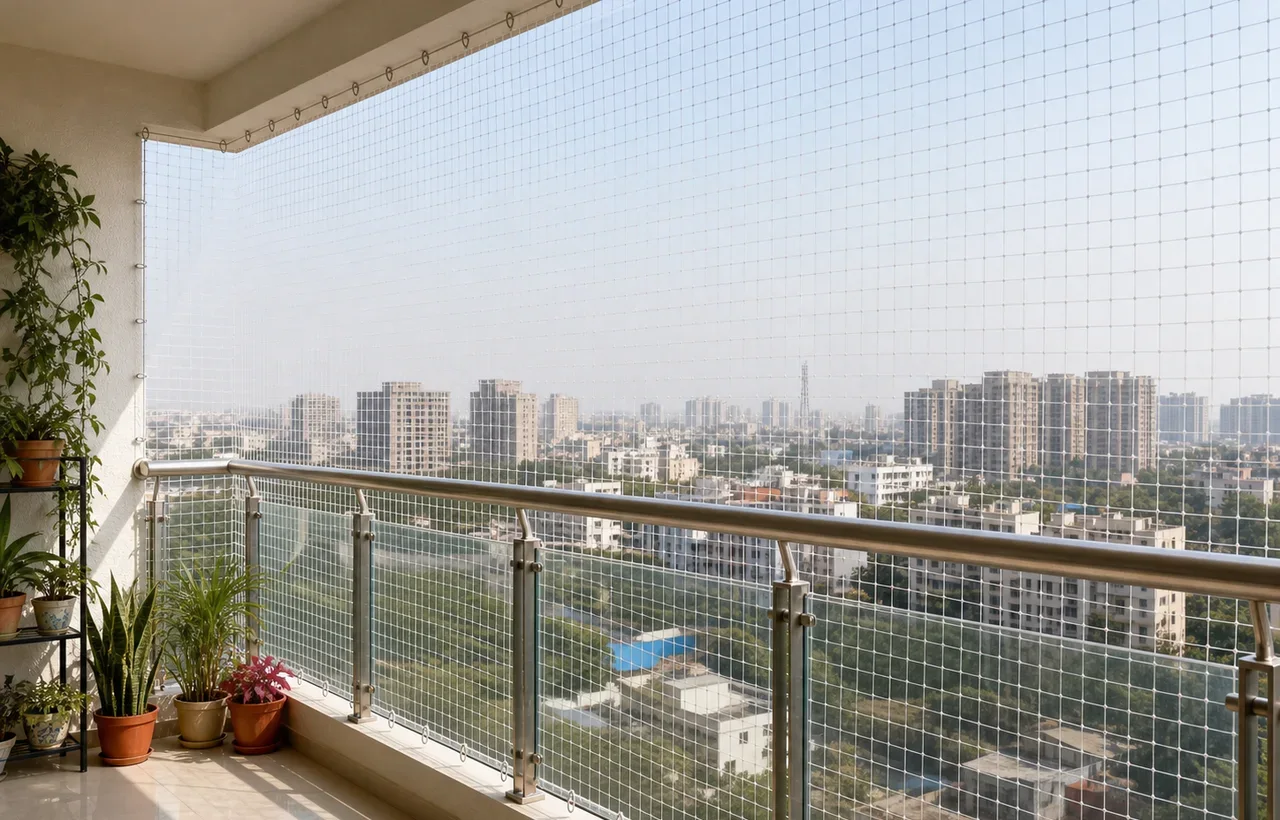
these nearby locality and local cues help show the low-rise heritage-family pattern around Cox Town, where children, pets, chairs and long-settled routine can make the balcony feel too ordinary to review properly.
Represents the older low-rise residential pattern that shapes balcony use here.
Shows the familiar old-neighborhood setting that turns routine into balcony trust.
The balcony here feels like part of an everyday lived-in front rather than a separate design feature. That domestic continuity matters.
People searching for balcony safety nets in Cox Town, Bangalore want a safer edge for children or pets without making the front feel visually out of character.
Service visual guide
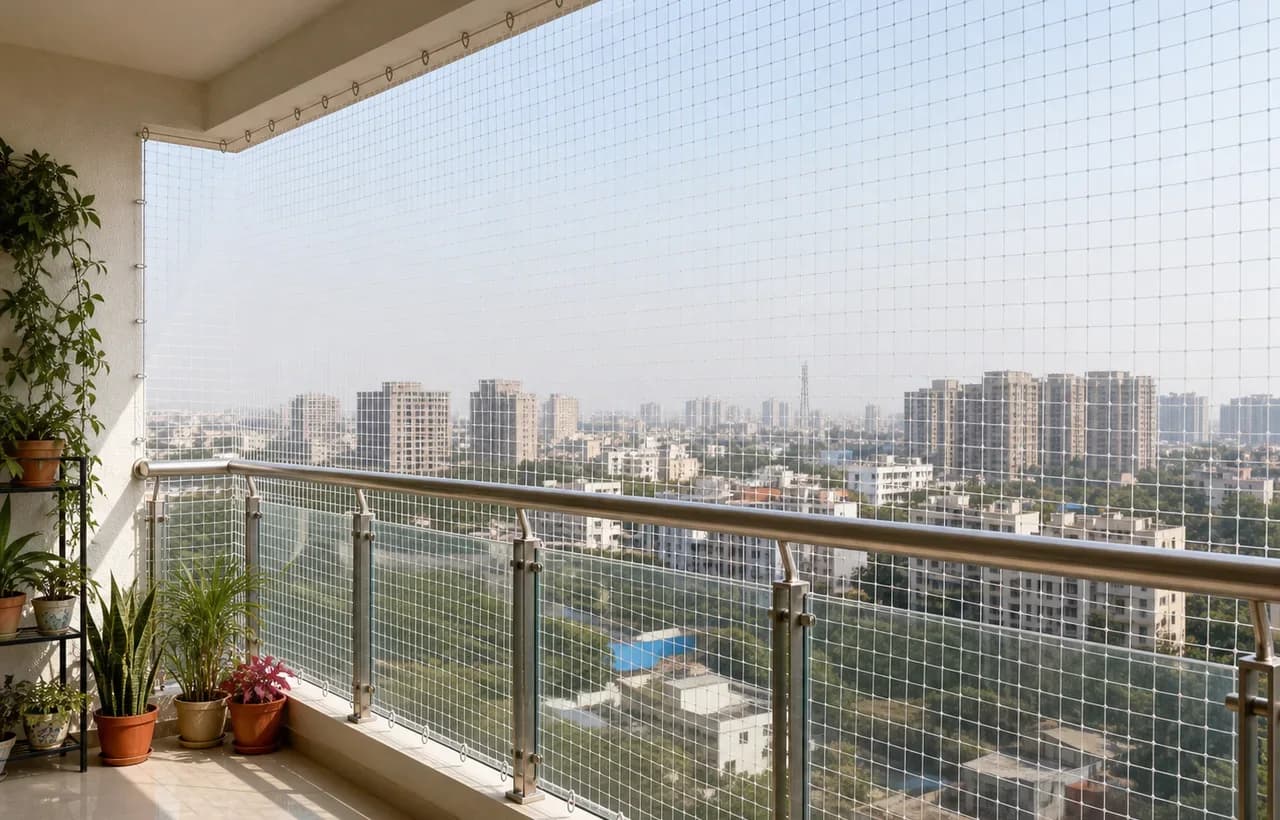
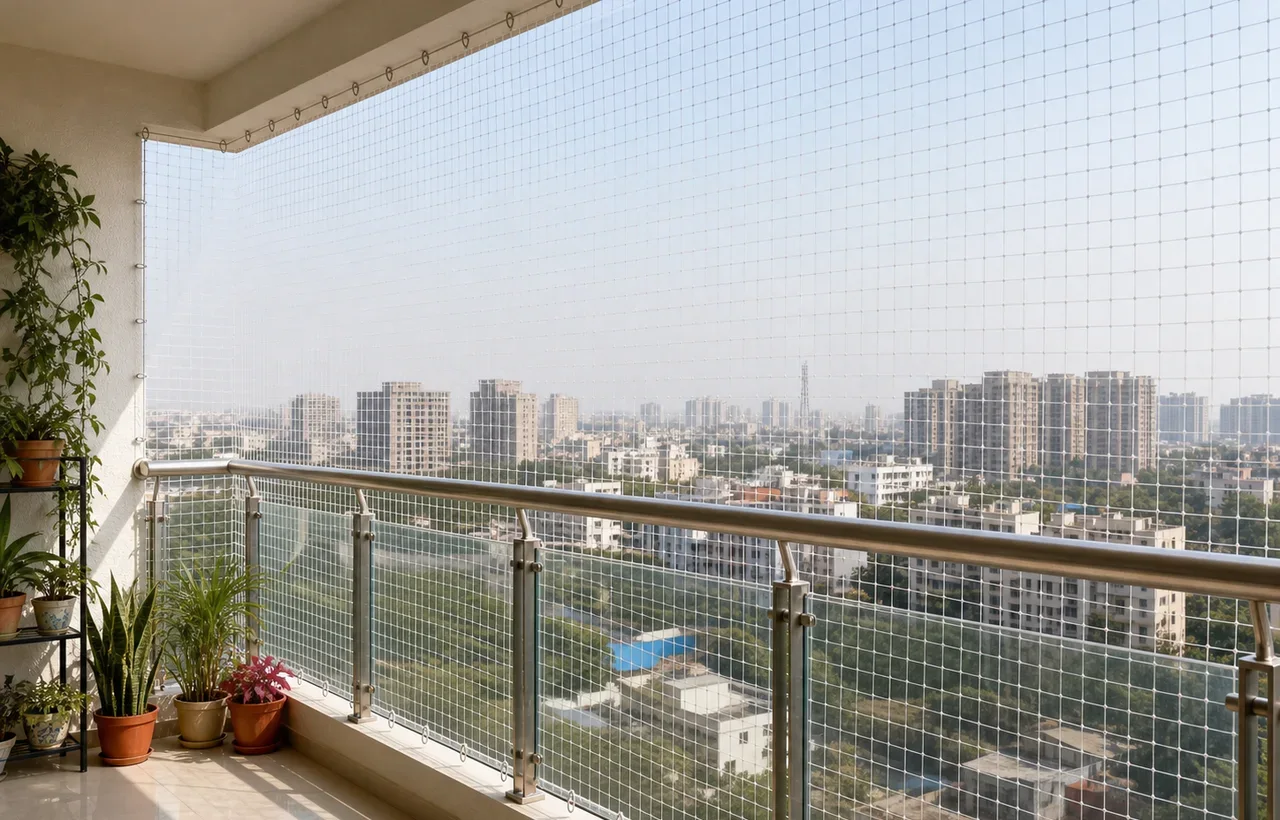
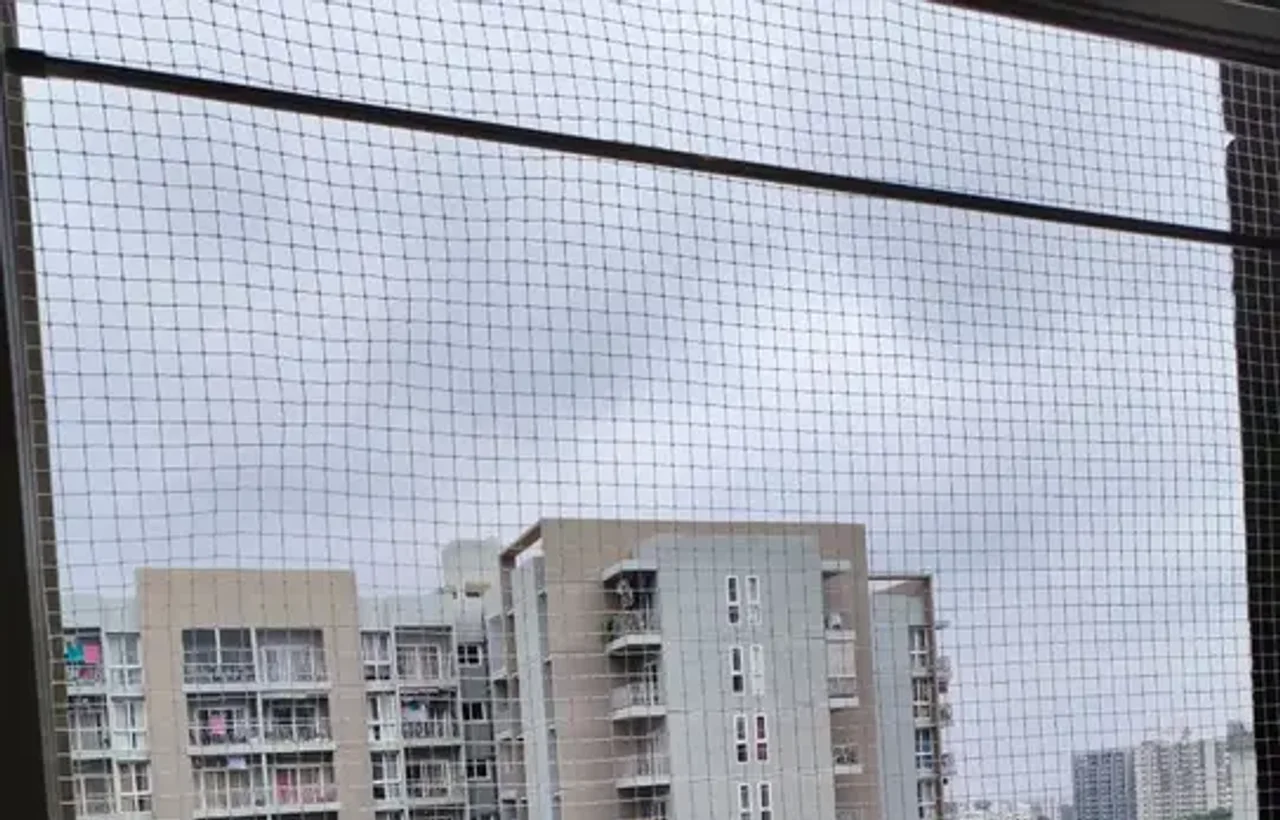
These representative images support the written guidance below; the exact opening still needs its own measurement and access check.
Representative opening view
Use this reference when sharing the opening span and return corners.
Installation planning view
The exact edge condition and anchor position are confirmed on site.
Fit and access reference
Final appearance depends on the measured opening and everyday access needs.
Local fit
In Cox Town, low-rise calm, children, pets, chairs and long family familiarity can make the balcony feel too ordinary and too known to question properly.
A carefully fitted balcony safety net helps make that character-rich front safer for children, pets and everyday use without making the home feel harsh or visually mismatched.
Cox Town works best when the guidance sounds familiar, domestic and low-rise. The real trigger here is long-settled household trust replacing day-to-day review.
Area fit
The better Cox Town page explains that the balcony can disappear into daily family life precisely because it feels so known and manageable.
Nearby landmarks
Useful for low-rise homes and apartments across Cox Town
Relevant where children, pets, chairs and quiet daily use keep the balcony active
Keeps the edge safer without spoiling older-home character
Especially useful where familiarity has replaced direct edge review
Booking Detail
Starting from ₹20 per sq ft, including installation. The final estimate follows the measured scope and selected product. Confirm any upgrades, removal, repairs, special access or additional supports separately.
balcony width, side returns and utility-span coverage
floor height, wind exposure and outer-facade access
glass, railing or parapet condition
tower or gated-community fitting rules
whether the balcony is used for children, pets, sit-out or drying
In Cox Town, the most useful clue is that the front feels too known and too ordinary to question.
A low-rise heritage front still needs a usable read of height, side gaps and how children or pets move around it.
The fit should support how the household already lives with the balcony rather than pretending it is decorative-only space.
The goal is a safer edge that still feels natural inside a Cox Town front.
Best fit
Low-rise family balconies
Demand is most believable where a familiar older front is already active for children, pets or daily routine.
Main pressure
Long-settled trust
The balcony feels too known and too ordinary to stay visible as an edge.
estimate driver
Edge type + household use
Opening condition, side gaps and whether children or pets use the front shape the estimate most strongly.
Cox Town customers want a safer edge that still feels familiar, domestic and true to the home. The guidance works when it sounds lived-in instead of over-produced.
Works well for: Low-rise fronts needing lighter everyday safety
They suit Cox Town best when the goal is safer child or pet use without a more structural visual change.
Works well for: Homes ready for a stronger long-term front decision
They fit when the customer wants a more permanent finish and is comfortable with a more obvious intervention.
Works well for: Bird-entry pressure from trees, ledges and side openings
They help hygiene issues, but the main balcony question here is safe family use on a familiar low-rise front.
A useful angle is long familiarity making the edge invisible.
Children, pets and chair-side routine matter here.
Cox Town has a strong low-rise heritage-family character
Balconies feel part of long-settled domestic routine
customers want safer use without losing the older front's feel
Fit
They make sense when a low-rise balcony is already active for children, pets or everyday use and needs a safer edge without visual mismatch.
Compare
The common comparison is between preserving the front's familiar old-neighborhood feel and finally treating the balcony as a current safety decision.
plan
Photos of the opening, edge type and whether children or pets use the front make the estimate clearer quickly.
Its balcony pressure comes from long-settled routine and household trust.
They are balancing safer family use against the need to keep the front feeling easy and true to the home.
That is why the guidance should feel grounded rather than staged.
It speaks to children, pets, chairs and everyday household use instead of flattening Cox Town into plain brochure answer well-finished language.
That gives the guidance a truer local voice.
Ask what has changed in the household and balcony layout over the last few years. A visiting grandchild, new pet, heavier chair or expanded plant shelf can change reach without prompting renovation. The technician should inspect every return, lower opening, old drill point and transition with railings or shade elements. Low-rise location remains part of access planning, not proof that protection is unnecessary. In Cox Town's established homes, familiarity is precisely why an on-site review matters: residents may no longer notice the gap behind a chair or the surface patch that would be obvious to someone measuring the perimeter afresh.
The written proposal should state mesh type, aperture, border treatment, anchors and any substrate preparation. Existing hooks or frames can remain only if their condition and spacing suit the new system. Pipes, decorative grills and weak plaster should not serve as convenient supports. Consistent tension and fully closed lower corners matter for children and pets, especially in a lived-in balcony where objects move often. A secured access detail, if necessary, must be deliberately planned. Keep furniture and plants from rubbing the mesh, and attach no drying or storage loads that could hide damage or change tension.
A local repair is reasonable only when the wider mesh, border and anchors remain serviceable. If age or purpose has changed, complete replacement may be clearer. New nets are generally flexible, visually light and more economical than invisible grills, which form a rigid architectural system. Existing pigeon mesh should not automatically be reassigned to child or pet protection. Compare providers on removal, preparation, measured returns, material, anchors, access and panels. A low estimate that keeps uncertain old components may cost less today while failing to answer why the household sought a new assessment.
When looking for lived-in balcony retrofit services nearby in Cox Town, tell the provider about old netting, chairs, pets and planned repairs before the visit. Confirm owner or association consent and accepted work hours. At handover, inspect former fixing areas and lower corners, then retain the installed specification. Recheck following painting, tree work, waterproofing or furniture changes. Clean gently and keep loads separate. Brittle strands, cuts, slack or movement around old surfaces should immediately trigger a timely professional review of the complete system instead of another unverified household patch.
Cox Town residents should request the proposed polymer, HDPE or nylon, supplier evidence for UV grade, nominal aperture, and strand or twine thickness. Record border construction, connectors, and anchors for present surfaces. Years of ordinary use do not identify an inherited mesh or prove remaining suitability. Exposure, cleaning, pets, and old plaster vary, so an exact life cannot follow from material name. Match delivered identification to the estimate. This documentation makes a new retrofit distinguishable from old bird netting and supports later repair without relying on family memory alone. The Cox Town handover should preserve this first material detail before later Cox Town work changes the Cox Town perimeter.
Aperture should relate to current children, pets, visibility, and cleaning rather than the users who occupied the home years ago. Ask for numerical strand dimensions and a plan for former holes, low gaps, rails, and side returns. A heavy sample cannot correct ageing substrate. Label alternate materials and photograph preparation before the familiar chair and plants return. These records let a future technician assess compatibility, avoid weak previous drill points, and determine whether a defect belongs to mesh, border, anchor, or the older wall supporting it after later work. In the Cox Town material record, Cox Town reviewers should retain this second point after later work.
Confirm owner, landlord, or association approval before drilling in Cox Town. Share full-opening photographs, note old hooks and repairs, and show current furniture before clearing. Agree on hours and safe exterior access where required. Children and pets should stay inside during work. The installer must choose sound masonry or concrete instead of reusing convenient components without assessment. This planning prevents familiarity from shortening the survey and keeps one hidden return from being excluded after the resident has already rearranged the home for a promised installation date. Retain that access decision before later Cox Town work changes the perimeter.
Preserve doors, drains, plants, and cleaning through an intentional perimeter. A secure panel needs a defined use and clear closure. Inspect each fixing before furniture returns and give records to owner and tenant. Household members should not attach laundry, lights, or planters. If occupancy changes, the handover should explain the border and inspection routine. A lower-rise domestic feel can remain intact while responsibility becomes explicit, ensuring the next resident does not mistake an unknown patch or openable section for an acceptable inherited feature of the flat. In the Cox Town access record, Cox Town reviewers should retain this second access point after later work.
Old pigeon mesh may deter birds but cannot automatically serve a Cox Town child or pet brief. Mosquito screens use fine framed closure, privacy material alters sightlines and wind, invisible grills use tensioned cables, and flexible safety mesh needs documented perimeter work. Define each need separately. A screen at the doorway does not protect balcony use, while upper bird closure may leave lower gaps. Compare current material, anchors, coverage, permissions, cleaning, and maintenance rather than treating all inherited netting as one reusable system without fresh assessment. The Cox Town handover should preserve this first comparison detail before later Cox Town work changes the Cox Town perimeter.
Separate products may remain if their roles and supports are sound. Mosquito screening can complement the threshold, and bird control may serve a distinct recess. Privacy fabric should not hang from flexible mesh, while old grills should not become anchors without review. Invisible grills may suit a deliberate cable retrofit; safety netting may suit another opening. Label what remains and what is replaced. This prevents later painters, tenants, or pet carers from cutting, loading, or removing a component based on an inaccurate shared name in the handover. In the Cox Town comparison record, Cox Town reviewers should retain this second comparison point after later work.
A Cox Town photo estimate cannot test plaster or confirm whether old fittings are reusable. Final scope should measure every face, return, lower gap, and parapet change, then identify new mesh and edge work before stating fasteners, installation labour, and secure access. Removing old netting, repairing holes, and completing civil work, furniture moving, exterior access, association fees, tax, and disposal need clear status. Ask how irregular older geometry is calculated. This reveals whether a low amount depends on unassessed reuse or excludes the preparation needed for a complete present-day boundary around the opening. The Cox Town handover should preserve this first estimate detail before later Cox Town work changes the Cox Town perimeter.
Set a variation process for damage revealed after clearing. Complete waterproofing or painting before measurement where it changes anchors and attach permissions. At handover, compare each line item with the installation and photograph repaired areas. Record which trade handled preparation. This file helps later residents understand what was new, retained, or excluded. It also distinguishes a mesh issue from an inherited substrate problem and stops providers from being compared on different assumptions about former hooks, patched plaster, and concealed side gaps in the old balcony. In the Cox Town estimate record, Cox Town reviewers should retain this second estimate point after later work.
Inspect Cox Town netting after painting, AC routing, waterproofing, railing work, or furniture changes. Look for cuts, slack, abrasion, loose connectors, anchor cracks, and open returns. Clean gently and keep objects away. An isolated fault may permit matched repair when surrounding components remain known. Multiple patches, broad ageing, uncertain material, or changed geometry may justify section replacement. Restrict access while condition is doubtful. A long incident-free history does not validate a newly damaged or altered perimeter for today’s children, visitors, or pets. The Cox Town handover should preserve this first maintenance detail before later Cox Town work changes the Cox Town perimeter.
Warranty wording should specify covered parts or workmanship, duration, exclusions, reporting, and charges for travel, labour, access, or material. Ask how reused items, pre-existing surfaces, pets, chemicals, and later contractors are treated. Keep old-condition photographs, accepted scope, product details, invoice, and service records. These documents support fair assessment and explain the installation to future occupants. They also separate contractual coverage from routine inspection, showing when compatible repair is supported and when a new measured section is the clearer response for safe continued use. In the Cox Town maintenance record, Cox Town reviewers should retain this second maintenance point after later work.
Share balcony photos, edge type and whether the main concern is children, pets or preserving a familiar older-home look. That makes the Cox Town estimate clearer from the first reply.
Plan your installation
Share photographs of the full opening, approximate measurements and your location in Cox Town, Bangalore. Explain how you use the space so the installer can discuss a suitable layout and a clear scope.
low-rise heritage familiarity
A familiar low-rise front can still hide a live edge.
For visit planning: Cox Town low-rise homes, heritage family fronts, older domestic balconies.
These are the practical questions households usually ask before choosing balcony safety nets in Cox Town, Bangalore.
Floor level is only one consideration. Children, pets, rail gaps, furniture and adjoining openings can still justify assessment. A net may be suitable where sound fixing surfaces and complete coverage are possible. Long incident-free use should not replace review of today's household and balcony layout.
Indicative balcony-net rates are ₹20 per sq ft Final cost depends on measured area, mesh and border specification, anchors, preparation, returns, access and old-net removal. Ask clearly which existing components are included or replaced so quotations for an older home can be compared fully and honestly.
They can be considered only after condition, material, spacing and supporting substrate are assessed for the proposed mesh. Request the aperture, border and full fixing plan in writing. Reuse should strengthen a coherent installation, not merely avoid the time and cost of replacing uncertain components.
Repair depends on whether the whole existing system remains sound. Replacement netting offers a flexible, usually more economical boundary; invisible grills provide a rigid architectural alternative. Compare current condition, household use, facade approval, appearance and total scope. One visible cut does not answer the condition of everything around it.
Obtain owner consent and follow any association or property rules for drilling, exterior appearance, access and work hours. Provide photographs of old fittings and normal furniture. The final scope should explain removal and preparation before work starts rather than discovering responsibility after the balcony has been cleared.
Inspect mesh, borders, lower corners and anchor surroundings periodically, with added checks after painting or furniture moves. Prevent chairs, branches and racks from rubbing the plane, and attach no loads. Brittle material, slack, cuts or cracks near fixings should promptly receive a complete professional assessment.
Around Cox Town, a balcony question often overlaps with child movement, bird nuisance, drying-clothes use or the wish to keep the front lighter than a grill-heavy solution.
Useful when the first concern is children leaning on railings, dragging chairs near the front or reaching open corners and side gaps.
Open local pageUseful when droppings, nesting and repeated bird entry are the problem that keeps pulling attention back to the same balcony.
Open local pageUsually compared when the family wants a cleaner fixed front and is weighing appearance, openness and enclosure together.
Open local pageUseful when drying clothes is what keeps daily movement happening close to the balcony edge in the first place.
Open local page